Author: angelinaakisti

  • High-Protein Pancakes

    High-Protein Pancakes

    Recipe · Anabolic / Breakfast / High-protein

    High-Protein Pancakes

    A proper stack of fluffy pancakes with 38 grams of protein and 480 calories — soft, golden, and built to fill you up on a morning you actually want breakfast. No chalky protein-powder taste, no sad single rubbery disc. Just a real stack that loves your macros back.

    GoalAnabolic
    Total time15 min
    Servings1 stack
    Protein / serving38 g
    Calories / serving480 kcal
    A tall stack of golden high-protein pancakes topped with berries, plated under cold light Plate 01 / Finished

    I have a memory of being maybe seven years old, standing on a chair at my mother’s elbow on a grey Sunday, watching her flip pancakes one after another while the windows steamed up. She’d slide them onto my plate the second they were done, too hot to eat, and I’d burn my mouth every single time and never learn. So you’ll understand that when I got serious about training and the bro wisdom of the day told me breakfast was now egg whites and a scoop of powder in water, something in me quietly rebelled. A man should be allowed pancakes, love. Even a man chasing a stage-lean physique.

    The problem with most “protein pancakes” is they taste like a punishment — dense, chalky, the protein powder shouting over everything. So I spent a frankly silly number of Sunday mornings working out how to get a real, fluffy, golden stack with serious protein in it. The fix turned out to be balance: oats blended into a flour for structure, cottage cheese and egg for a tender crumb and a protein hit, and just a touch of baking powder to lift the whole thing. The result is soft, it browns properly, and it doesn’t fall apart when you flip it.

    This is a stack I’m genuinely happy to put in front of anyone — 38 grams of protein, 480 sensible calories, and it eats like a Sunday treat rather than a supplement. It keeps me full till lunch, which is more than I can say for most breakfasts. Make it once on a quiet morning and I think you’ll find your weekends have a new ritual. I’ve got you on this one.

    01Who it’s for & when to eat it

    A high-protein breakfast that bends to the morning you’re having. The batter stays the same; what changes is what you stack it with. Here’s how I steer it.

    On a cut

    Keep it clean

    Use egg whites instead of the whole egg and top with fresh berries and a spoon of zero-cal syrup or plain Greek yoghurt. You keep the stack and the protein, you pull the calories down toward 360. A filling breakfast that fits a deficit.

    On a bulk

    Stack it taller

    Add an extra 30g oats and a whole banana to the batter, then top with a spoon of peanut butter and real maple syrup. Easy, clean morning calories — well over 700, still real food, still a genuine pleasure to eat.

    On TRT

    Steady start

    The recipe as written makes a balanced breakfast — good protein, moderate carbs, sensible fat. Top with berries and a few chopped nuts for a morning meal that keeps you full and level until lunch.

    Timing: these shine as a weekend or post-training breakfast — the protein and carbs land nicely after a morning session. They also batch beautifully (see meal prep), so a Sunday cook-up means a fast, real breakfast on a hectic weekday.

    02Ingredients

    Makes 1 stack of about 4 pancakes — one serving. Want a double batch for the week? Scale every line; keep the oats-to-liquid ratio steady so the batter stays pourable.

    Servings 1 · adjust on the live recipe card
    • Rolled oats blended to flour50 g · 1.8 oz
    • Cottage cheese low-fat100 g · 3.5 oz
    • Egg1 large
    • Egg white1
    • Skimmed milk50 ml · 3½ tbsp
    • Baking powder1 tsp
    • Vanilla extract½ tsp
    • Cinnamon¼ tsp
    • Sweetener or sugar optionalto taste
    • Oil or spray for the panlight coat

    Swaps I actually use: a scoop (≈25g) of vanilla whey can replace some of the oats for an even higher-protein stack — just add a splash more milk, as whey drinks up liquid. No cottage cheese? Thick Greek yoghurt works and keeps it tender. For a dairy-free version, a plant milk and a flax egg will get you there, though the stack will be a touch denser. Blend the batter for the smoothest result, or leave the oats whole for a heartier, oatier pancake.

    03Step by step

    Blend the batter

    Everything in, blitz it smooth

    Tip the oats, cottage cheese, whole egg, egg white, milk, baking powder, vanilla and cinnamon into a blender. Blitz until you’ve got a smooth, pourable batter — thick like double cream but still falling off the spoon. Add a splash more milk if it’s too stiff.

    Magnus says: blending the oats and cottage cheese is what gives you a fluffy stack instead of a dense brick.

    Pancake batter being blended smooth in a blender jug
    Rest it

    Let the batter sit 3–5 minutes

    Let the batter rest a few minutes while the pan heats. The oats soften and the baking powder wakes up, which is exactly what you want for a tender, lifted pancake. Don’t skip this — it’s a free upgrade.

    The pancake batter resting in a jug, slightly thickened
    Heat the pan

    Medium-low, lightly greased

    Set a non-stick pan over a medium-low heat and wipe it with the lightest coat of oil. Protein pancakes scorch faster than flour ones because of the dairy, so resist the urge to crank the heat — patient and gentle wins here.

    Magnus says: too hot and they burn outside while staying raw in the middle. Low and steady, love.

    A non-stick pan heating with a light coat of oil
    Pour & cook

    Small rounds, wait for the bubbles

    Pour the batter into small rounds — smaller pancakes are far easier to flip than big ones. Cook until bubbles form on top and the edges look set, about 2–3 minutes. That’s your signal they’re ready to turn.

    Pancake rounds cooking in the pan with bubbles forming on top
    Flip & finish

    One confident turn, then a minute more

    Slide a thin spatula right under and flip in one clean move. Cook the second side for a minute or two until golden and cooked through. Stack them up, top with berries or whatever you fancy, and eat them warm.

    Magnus says: one confident flip beats three nervous pokes. Commit to it.

    The finished stack of golden pancakes topped with fresh berries

    04The spec sheet

    Real numbers, calculated — not guessed. The recipe makes one stack of about 4 pancakes, roughly 280g of finished food before toppings. Here’s what that serving and a flat 100g give you.

    Macros — per serving & per 100g
    NutrientPer servingPer 100g
    Energy480 kcal171 kcal
    Protein38.0 g13.6 g
    Carbohydrate46.0 g16.4 g
    — of which sugars6.0 g2.1 g
    Fat13.0 g4.6 g
    — of which saturates4.0 g1.4 g
    Fibre5.0 g1.8 g
    Sodium~0.62 g~0.22 g
    Calorie density
    171 kcal / 100g

    Moderate, and far gentler than a café stack swimming in butter and syrup. You get a genuinely filling breakfast with real bulk to it for the calories.

    Protein per 100 kcal
    7.9 g / 100 kcal

    Excellent for a breakfast that eats like a treat. A normal pancake stack is nearly all carbs and fat; this one carries proper protein to keep you full and support recovery.

    Key micros (per serving, approx.)
    • Calcium~190 mg · 19% DV
    • Phosphorus~340 mg · 49% DV
    • Selenium~28 µg · 51% DV
    • Vitamin B12~1.1 µg · 46% DV
    • Magnesium~70 mg · 17% DV
    • Iron~2.4 mg · 13% DV

    Macros are calculated from standard food-composition data and will shift a little with your exact ingredients, brands and toppings. Micronutrient figures are estimates against general adult Daily Values. Numbers are for guidance, not medical advice — see our Nutrition Disclaimer.

    05Bulk / Cut / TRT variations

    One batter, three breakfasts. The method stays the same — you adjust the eggs, the add-ins and the toppings. Macros below are for the full stack as described, with toppings included.

    Cut

    The lean stack

    Use 2 egg whites in place of the whole egg, skip the optional sugar, and top with fresh berries and a spoon of plain 0% Greek yoghurt. You keep the fluff and the protein and pull the calories right down. My morning pick when I’m dieting.

    360Kcal
    40G Protein
    6G Fat
    Bulk

    The mass stack

    Add 30g more oats and a whole banana to the batter, then top with a tablespoon of peanut butter and a drizzle of real maple syrup. Calorie-dense, clean, and a proper feast of a breakfast after a morning lift.

    720Kcal
    44G Protein
    22G Fat
    TRT

    The balanced stack

    The recipe as written, topped with berries and a small handful of chopped walnuts. Good protein, moderate carbs, a little healthy fat — a level, satisfying start that holds you to lunch.

    560Kcal
    40G Protein
    20G Fat

    06Meal prep & storage

    These batch beautifully, which is half of why I love them. I make a triple stack on a Sunday so a real breakfast is a 30-second reheat on a weekday morning.

    Fridge
    4 days

    Cool fully and stack in an airtight container with a square of paper between each so they don’t stick. Reheat or eat cold — they’re soft enough to enjoy straight from the fridge.

    Freezer
    2 months

    Freeze flat in a single layer first, then bag them. They thaw and reheat brilliantly — no loss of texture, which is rare for a pancake.

    Reheat
    60 sec

    Microwave for 30–60 seconds, or pop them in the toaster on a low setting for a slightly crisp edge. From frozen, give them a couple of minutes.

    If you batch them, freeze in single-serving stacks so you can grab exactly one breakfast at a time. A frozen stack and a handful of berries is a real, high-protein morning meal with almost no effort — which is the whole point on a busy week.

    Free · the 7-day “Get Fed” plan

    Want a whole week built around food like this?

    Drop your email and I’ll send you my free 7-day plan — meals, macros already counted, grocery list written. No spam, no lectures.

    No spam. Unsubscribe whenever. See what’s in the plan →

    07Common questions

    Do I have to use protein powder? +

    Not at all — the recipe as written gets its 38g of protein from cottage cheese, egg and oats, no powder needed. If you want to push the protein even higher, you can swap a scoop of whey for some of the oats, but plenty of folks find protein powder makes pancakes chalky, so don’t feel you have to.

    Why are mine falling apart when I flip them? +

    Two usual culprits: pancakes too big, or flipped too soon. Keep them small, and wait until bubbles form on top and the edges look set before you turn them. A thin, wide spatula and one confident flip does the rest. If the batter’s very loose, a touch more blended oats firms it up.

    Can I make the batter the night before? +

    You can, and it’s a great move for a weekday. Blend it, keep it covered in the fridge overnight, and give it a quick stir in the morning. It’ll thicken as the oats absorb liquid, so loosen with a splash of milk before you cook. The baking powder still gives a good lift.

    How do I turn this into a proper bulk breakfast? +

    Add carbs and a little fat: 30g more oats and a whole banana into the batter, then top with a tablespoon of peanut butter and real maple syrup. That takes the stack to around 720 calories with 44g protein — clean, calorie-dense mass-gaining fuel. See the Bulk variation above.

    Can I make these dairy-free? +

    Yes. Swap the cottage cheese for a thick dairy-free yoghurt, use a plant milk, and you can replace the whole egg with a flax egg if needed. The stack comes out a touch denser and the protein dips a little, but it’s still a real, satisfying breakfast.

    From my high-protein meal plans

    This stack lives inside a full week of meals.

    A breakfast that eats like a treat and still hits your protein is exactly what my meal plans are built on — seven days of meals with the macros counted and the grocery list written. You pick the goal; I do the maths.

    See the meal plans
    A stack of golden high-protein pancakes under cold light

    08Pairs well with

    Browse all recipes →

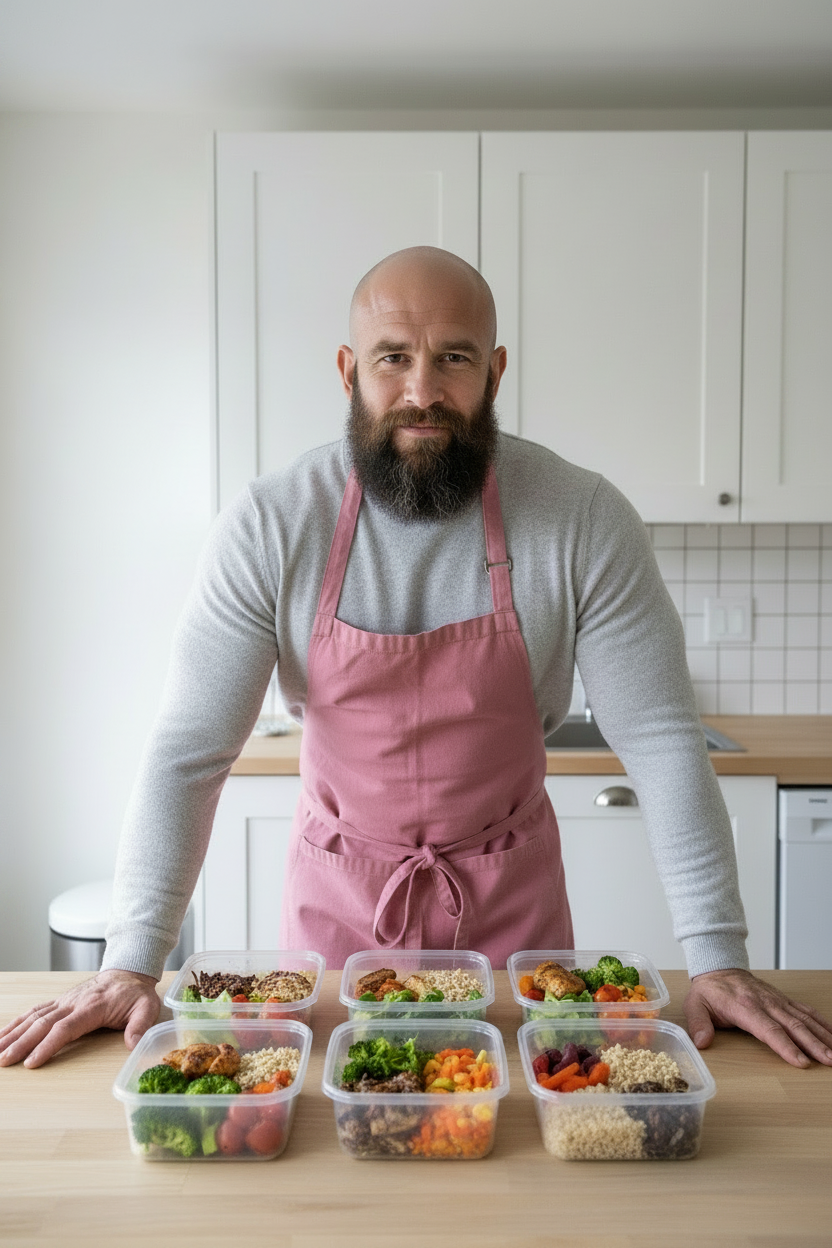
    Magnus Olafsson in his kitchen — bald, bearded and broad, in his pink apron, under cold light
    About the author

    Magnus Olafsson

    I’m Magnus — twenty years under the iron, from a cold gym in Stockholm to the classic-physique stage, and now mostly in my kitchen in a pink apron. I’ve cut for shows, bulked through winters, and I’ve been on TRT since I was thirty-five. I know what it takes to eat for the body you’re chasing, and I know it shouldn’t come with a side of shame.

    Everything here is food I actually cook and macros I actually count. I don’t diagnose, I don’t promise, and I never make a number up. I just feed you well and tell you the truth.

    NPC Illinois NPC Classic Physique On TRT since 35 20 years training

    Slim Diet Era shares recipes and general nutrition information. It is not medical or dietetic advice, and we do not provide guidance on obtaining or using any controlled substance. See our Medical Disclaimer and Nutrition Disclaimer.
  • Anabolic Mac and Cheese

    Anabolic Mac and Cheese

    Recipe · Anabolic / Comfort / High-protein

    Anabolic Mac and Cheese

    A proper bowl of creamy, golden mac and cheese with 46 grams of protein and 560 calories — the comfort-food version that loves your macros back. Made with a cottage-cheese sauce blended smooth and a sensible amount of real cheddar, so it eats rich without running away from you.

    GoalAnabolic
    Total time25 min
    Servings1 big bowl
    Protein / serving46 g
    Calories / serving560 kcal
    A bowl of creamy golden high-protein mac and cheese with a glossy cheddar sauce, plated under cold light Plate 01 / Finished

    The first winter my partner moved in, she caught me eating plain chicken and rice at the counter, standing up, at ten at night, and she just looked at me like I’d broken her heart. “That’s your dinner?” she said. And I didn’t have a good answer, love. I’d been so deep in contest prep for so many years that I’d half-forgotten food was allowed to be a comfort as well as a fuel. So I made it my project, that whole cold January, to build a mac and cheese I could actually put in front of a person I loved — one that tasted like the bowl your gran would make, but that didn’t blow a third of my day’s calories in one sitting.

    The trick, when I finally found it, was almost stupidly simple. Cottage cheese, blended until it’s completely smooth, becomes the most velvety cheese sauce you’ve ever had — and it’s nearly all protein. You stir in a modest handful of real, sharp cheddar for the flavour that cottage cheese can’t fake, season it properly, and suddenly you’ve got a creamy bowl with 46 grams of protein in it. No protein powder, no rubbery low-fat cheese product, no apology.

    I’m not going to pretend this is a “light” dinner — it’s 560 calories and it’s meant to be a real, satisfying meal that sits you down and fills you up. But it’s a smart 560 calories, packed with protein, the kind of bowl you can build a Tuesday night around and still wake up on track. That’s the whole point of these anabolic recipes: comfort food that’s working for you, not against you. I’ve got you on this one.

    01Who it’s for & when to eat it

    This is comfort food with a backbone of protein, so it bends to almost any goal — you just shift the cheese and the pasta portion. Here’s how I steer it.

    On a cut

    Lean it down

    Swap to a high-protein or chickpea pasta, drop the cheddar to 20g, and lean hard on the blended cottage cheese for creaminess. You keep the bowl and the protein, you shave the calories down toward 420. A real dinner that still fits a deficit.

    On a bulk

    Build it up

    Go up to 90g dry pasta, add an extra 30g cheddar and a handful of shredded cooked chicken or lean mince. Now it’s a proper mass-meal — north of 800 calories and well over 60g protein, still creamy, still real food.

    On TRT

    Steady comfort

    The recipe as written is a balanced plate — good protein, moderate carbs, sensible fat. A warm, satisfying evening meal that won’t overshoot your calories or leave you raiding the cupboard an hour later.

    Timing: I love this as a post-training dinner — the carbs and protein land right when your body’s asking for them. It’s also exactly the bowl you want on a cold, tired evening when plain chicken would just make you sad. Comfort and macros, in one dish.

    02Ingredients

    Makes 1 big bowl — one generous serving. Doubling? Scale every line; the cottage-cheese-to-pasta ratio is what keeps the sauce thick, so keep it steady.

    Servings 1 · adjust on the live recipe card
    • Dry pasta macaroni or shells70 g · 2.5 oz
    • Cottage cheese low-fat, the sauce base200 g · 7 oz
    • Sharp cheddar, grated30 g · 1 oz
    • Skimmed milk40 ml · 2½ tbsp
    • Dijon mustard1 tsp
    • Garlic powder½ tsp
    • Smoked paprika¼ tsp
    • Black pepperto taste
    • Saltto taste (go light)

    Swaps I actually use: chickpea or high-protein pasta drops the calories and bumps the fibre — lovely on a cut. No cottage cheese? Blended low-fat ricotta or thick Greek yoghurt both work, though yoghurt brings a little tang. A scrape of nutritional yeast deepens the cheesy flavour without the calories of more cheddar. And if you like a bite to it, a pinch of cayenne or a dash of hot sauce stirred in at the end is never a bad idea.

    03Step by step

    Boil the pasta

    Cook it to just shy of done

    Bring a pot of lightly salted water to the boil and cook the pasta a minute under the packet time — it’ll finish in the hot sauce. Scoop out a splash of the cooking water before you drain; it’s liquid gold for loosening the sauce later.

    Magnus says: slightly underdone is the move. Mushy pasta in a creamy sauce is a sad thing.

    Macaroni boiling in a pot of water on the hob
    Blend the sauce base

    Cottage cheese, smooth as silk

    While the pasta cooks, tip the cottage cheese, milk, Dijon, garlic powder, paprika and pepper into a blender or a tall jug for a stick blender. Blend until completely smooth — no lumps, no curds. This is the step people skip, and it’s the one that makes it taste like a real cheese sauce instead of, well, blended cottage cheese.

    Magnus says: don’t stop early. You want it glossy and pourable, like custard.

    Cottage cheese and seasonings blended into a smooth glossy sauce in a jug
    Warm the sauce

    Gentle heat, then the cheddar

    Pour the blended base into a wide pan over a low heat. Warm it through gently, stirring, then take it off the direct heat and stir in the grated cheddar until it melts into the sauce. Keep it low — blast it and the cottage cheese can split on you.

    Magnus says: low and slow. This sauce hates a roaring hob.

    Grated cheddar being stirred into the warm cottage-cheese sauce in a pan
    Combine

    Fold the pasta through

    Drain the pasta and tip it straight into the sauce. Fold it through over the lowest heat until every piece is coated. If it’s looking tight, loosen it with a spoonful of that reserved pasta water until it’s creamy and glossy.

    Cooked macaroni being folded through the creamy cheese sauce in a pan
    Season & serve

    Taste, finish, eat it hot

    Taste and adjust — a little more pepper, the lightest pinch of salt, a dash of hot sauce if you like. Tip it into a bowl and eat it straight away while it’s hot and creamy. If you want the full diner experience, a quick blast under a hot grill gives you golden edges.

    Magnus says: it thickens as it sits, so don’t dawdle — this one’s meant to be eaten warm.

    The finished bowl of creamy high-protein mac and cheese, steaming and golden

    04The spec sheet

    Real numbers, calculated — not guessed. The recipe makes one big bowl of roughly 340g of finished food. Here’s what that serving and a flat 100g actually give you.

    Macros — per serving & per 100g
    NutrientPer servingPer 100g
    Energy560 kcal165 kcal
    Protein46.0 g13.5 g
    Carbohydrate58.0 g17.1 g
    — of which sugars6.0 g1.8 g
    Fat14.0 g4.1 g
    — of which saturates7.5 g2.2 g
    Fibre3.0 g0.9 g
    Sodium~0.85 g~0.25 g
    Calorie density
    165 kcal / 100g

    Moderate for comfort food. Because the bulk of this bowl is blended cottage cheese and not butter and cream, you get a big, filling portion for the calories — far more food than a classic mac would give you.

    Protein per 100 kcal
    8.2 g / 100 kcal

    Strong for a pasta dish. Most macs are mostly carbs and fat with a token bit of protein; this one carries real protein into a meal that usually has none worth counting.

    Key micros (per serving, approx.)
    • Calcium~360 mg · 36% DV
    • Phosphorus~480 mg · 69% DV
    • Selenium~38 µg · 69% DV
    • Vitamin B12~1.3 µg · 54% DV
    • Riboflavin (B2)~0.5 mg · 38% DV
    • Zinc~3.2 mg · 29% DV

    Macros are calculated from standard food-composition data and will shift a little with your exact ingredients and brands. Micronutrient figures are estimates against general adult Daily Values. Numbers are for guidance, not medical advice — see our Nutrition Disclaimer.

    05Bulk / Cut / TRT variations

    One creamy base, three jobs. The sauce technique stays the same — you adjust the pasta, the cheese, and what protein you fold through. Macros below are for the full bowl as described.

    Cut

    The lean bowl

    Use 60g of high-protein or chickpea pasta, drop the cheddar to 20g, and keep the full 200g cottage cheese. Maximum creaminess, leaner numbers, more fibre to keep you full. My pick when calories are tight but I want comfort.

    420Kcal
    45G Protein
    9G Fat
    Bulk

    The mass bowl

    Bump to 90g dry pasta, add 30g more cheddar and 80g shredded cooked chicken breast folded through at the end. Calorie-dense, easy to eat, and over 60 grams of protein in one warm bowl.

    820Kcal
    64G Protein
    22G Fat
    TRT

    The balanced bowl

    The recipe as written, served with a side of steamed broccoli or a handful of leaves. Good protein, moderate carbs, sensible fat — a full, satisfying plate that keeps the calories honest.

    560Kcal
    46G Protein
    14G Fat

    06Meal prep & storage

    Mac and cheese is best fresh, but this version holds up better than most because the sauce is protein-based rather than a fragile butter roux. Here’s how I keep it for the week.

    Fridge
    3 days

    Cool fully and store in an airtight container. The sauce firms up cold; that’s normal — it loosens again with a splash of milk when you reheat.

    Freezer
    2 months

    Freezes okay in single portions, though the texture softens a touch on thawing. Thaw overnight in the fridge before reheating gently.

    Reheat
    3 min

    Add a splash of milk, then warm gently in the microwave or a low pan, stirring. Low heat only — too hot and the cottage-cheese sauce can split.

    For a prep-ahead trick, blend a big batch of the sauce base on a Sunday and keep it in the fridge for three days. Then it’s a two-minute job to boil pasta and stir up a fresh, creamy bowl on a weeknight — far nicer than reheating the whole thing.

    Free · the 7-day “Get Fed” plan

    Want a whole week built around food like this?

    Drop your email and I’ll send you my free 7-day plan — meals, macros already counted, grocery list written. No spam, no lectures.

    No spam. Unsubscribe whenever. See what’s in the plan →

    07Common questions

    Does it actually taste like cottage cheese? +

    No — and that surprises everyone. Once it’s blended completely smooth and warmed with cheddar, mustard and seasoning, the cottage-cheese tang disappears and you’re left with a proper savoury cheese sauce. The blending is what does it; if you can still taste curds, you didn’t blend it long enough.

    Can I make it without a blender? +

    You can, but it won’t be as silky. If you’re set on it, buy a smooth-style cottage cheese and whisk it hard with the milk, or push it through a fine sieve first. Honestly though, a cheap stick blender is the single best tool for these high-protein sauces — worth the few quid.

    My sauce went grainy — what happened? +

    The heat was too high, love. Cottage-cheese-based sauces split if you boil them. Keep the pan on the lowest heat, stir in the cheddar off the direct flame, and never let it bubble. If it does split, a quick blast back in the blender can sometimes pull it back together.

    How do I turn this into a proper bulk meal? +

    Three moves: more pasta (90g dry), more cheddar (an extra 30g), and a protein boost — fold through 80g of shredded cooked chicken or some lean cooked mince. That takes one bowl up to around 820 calories and 64g protein. See the Bulk variation above for the full numbers.

    Can I bake it for a crispy top? +

    Absolutely. Tip the finished mac into an oven dish, scatter a little extra cheddar or some panko on top, and grill or bake hot for a few minutes until golden. Factor the extra cheese into your macros, but a proper crispy top is a beautiful thing.

    From my high-protein meal plans

    This bowl lives inside a full week of meals.

    Comfort food with the macros counted is the whole idea behind my meal plans — seven days of high-protein meals you’ll actually want to eat, with the grocery list written for you. You pick the goal; I do the maths.

    See the meal plans
    A bowl of creamy high-protein mac and cheese under cold light

    08Pairs well with

    Browse all recipes →

    Magnus Olafsson in his kitchen — bald, bearded and broad, in his pink apron, under cold light
    About the author

    Magnus Olafsson

    I’m Magnus — twenty years under the iron, from a cold gym in Stockholm to the classic-physique stage, and now mostly in my kitchen in a pink apron. I’ve cut for shows, bulked through winters, and I’ve been on TRT since I was thirty-five. I know what it takes to eat for the body you’re chasing, and I know it shouldn’t come with a side of shame.

    Everything here is food I actually cook and macros I actually count. I don’t diagnose, I don’t promise, and I never make a number up. I just feed you well and tell you the truth.

    NPC Illinois NPC Classic Physique On TRT since 35 20 years training

    Slim Diet Era shares recipes and general nutrition information. It is not medical or dietetic advice, and we do not provide guidance on obtaining or using any controlled substance. See our Medical Disclaimer and Nutrition Disclaimer.
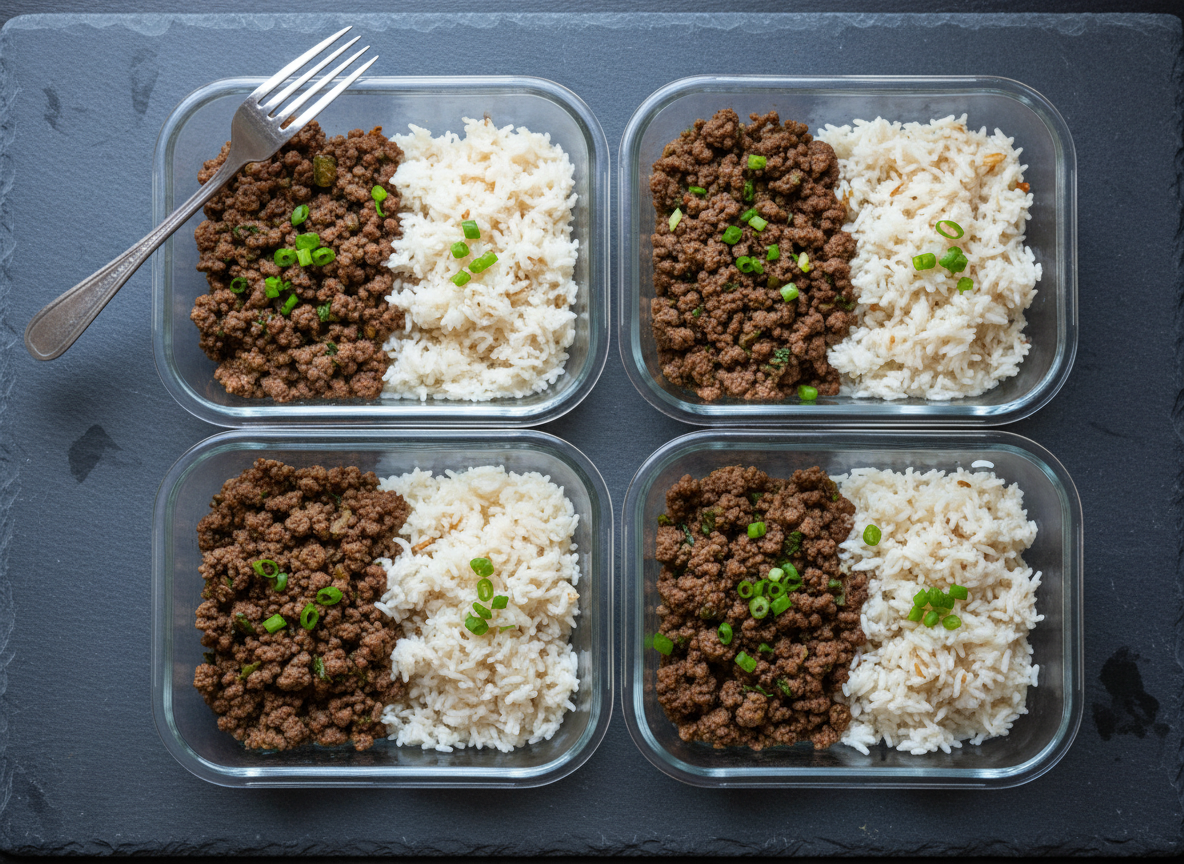
  • Beef and Egg Breakfast Skillet

    Beef and Egg Breakfast Skillet

    Recipe · TRT / Beef & Eggs / High-protein

    Beef and Egg Breakfast Skillet

    Lean mince browned with peppers and onion, eggs cracked in to finish, all cooked in one pan — a plate that lands around 540 calories with 44 grams of protein. Whole-food, steady-burning breakfast for the days you want one good skillet to set you up and keep you level.

    GoalTRT
    Total time20 min
    Servings1 skillet
    Protein / serving44 g
    Calories / serving540 kcal
    A cast-iron skillet of browned beef mince with peppers and eggs cooked on top under cold light Plate 01 / Finished

    There’s a particular kind of breakfast a person wants when the morning is theirs — no rush, the coffee on, time to actually cook. For me, that’s this skillet. One heavy pan, beef and peppers browning while the kitchen fills with that good savoury smell, eggs cracked in at the end to finish it off. It’s the breakfast I make on a slow Sunday, or on any morning I want one solid plate to carry me clean through to the afternoon.

    I came to eating this way after years of fussier dieting. When you’ve weighed every gram of rice for a stage, there’s real comfort in going back to honest, whole-food cooking — mince, eggs, a few vegetables, all in one pan you can put straight on the table. Nothing processed, nothing pretending. Just protein and a bit of colour from the peppers, cooked properly.

    What I like most is how it sits. Protein and a little fat together, no sugar spike to send you crashing an hour later — eating steady plates like this tends to keep me full and even through the day, and that suits how I live now. I won’t promise it’ll do anything magic for you; I’ll just say it’s good, honest food that’s easy to love. Make it once on a quiet morning and you’ll see. I’ve got you.

    01Who it’s for & when to eat it

    A beef and egg skillet is a brilliant whole-food base — high protein, plenty of veg, nothing processed. What you add around it sets the calories and the job. Here’s how I steer it.

    On a cut

    Trim it back

    Extra-lean mince, two eggs instead of three, and double the peppers and onion for volume. Keeps the protein high and the skillet generous while the calories drop. Numbers in the variations below.

    On a bulk

    Build it up

    A bigger portion of mince, an extra egg, and some potatoes or a tortilla folded in. Easy clean calories from whole food — proper fuel to start a heavy training day.

    On TRT

    Steady fuel

    The default skillet — lean mince, peppers, onion, eggs cracked in to finish. Whole-food protein and a little fat that keep you full and level for hours. My go-to slow-morning plate.

    Timing: this is a substantial, slow-burning breakfast, so it’s brilliant as a late, leisurely morning meal — one solid plate that keeps hunger quiet well into the afternoon. It also makes a fine quick dinner if you fancy breakfast at night.

    02Ingredients

    Makes 1 skillet — one generous serving. Doubling for two? Use a bigger pan and brown the mince in two goes so it caramelises properly rather than stewing in its own liquid.

    Servings 1 · adjust on the live recipe card
    • Lean beef mince, 5% fat150 g · 5.3 oz
    • Eggs, large3
    • Red pepper, diced100 g · 3.5 oz
    • Onion, diced60 g · 2 oz
    • Garlic, minced2 cloves
    • Olive oil1 tsp · 5 ml
    • Smoked paprika1 tsp
    • Fresh parsley or chives, chopped1 tbsp
    • Black pepperto taste
    • Saltto taste

    Swaps I actually use: turkey or chicken mince swaps straight in for a leaner skillet. No red pepper? Mushrooms, courgette, spinach or leftover roast veg all work — this is a great pan for using up the fridge. Want a little heat? A pinch of chilli flakes with the paprika. No fresh herbs? A scatter of spring onion at the end does the same brightening job.

    03Step by step

    Soften the veg

    Onion and pepper first

    Heat the olive oil in an ovenproof or heavy skillet over medium. Add the onion and pepper and cook for about 5 minutes until softened and just starting to colour, then stir in the garlic for the last minute. Soft, sweet veg is the base of the whole pan.

    Diced onion and red pepper softening in a skillet
    Brown the mince

    Real heat, real colour

    Turn the heat up, add the mince and the smoked paprika, and break it up as it cooks. Let it actually brown — 6 to 7 minutes — so you get those caramelised bits rather than grey, stewed meat. Season with salt and pepper.

    Magnus says: let the mince sit and colour before you stir. Browning is flavour; stirring too soon just steams it.

    Beef mince browning with paprika in the skillet
    Make wells

    Spaces for the eggs

    Spread the beef and veg into an even layer, then use the back of a spoon to make three little wells in the mixture. This gives each egg somewhere to settle so the whites set neatly instead of running everywhere.

    Wells made in the beef mixture ready for eggs
    Cook the eggs

    Crack in, lid on

    Crack an egg into each well, season with a little pepper, and pop a lid on the pan (or slide it under a grill). Cook for 4 to 5 minutes until the whites are set but the yolks are still soft and runny — that’s the sauce.

    Magnus says: lid on is the trick. It cooks the tops of the eggs gently without overdoing the yolks.

    Eggs cooking in wells in the beef skillet with the whites setting
    Finish and serve

    Herbs on, pan to table

    Scatter over the parsley or chives, grind on a little more pepper, and bring the whole skillet to the table. Eat it straight from the pan with the soft yolks broken over the top. No plating, no fuss.

    The finished beef and egg skillet scattered with herbs

    04The spec sheet

    Real numbers, calculated — not guessed. This makes one generous skillet, about 460g of food. Here’s what the whole serving and a flat 100g actually give you.

    Macros — per serving & per 100g
    NutrientPer servingPer 100g
    Energy540 kcal117 kcal
    Protein44.0 g9.6 g
    Carbohydrate12.0 g2.6 g
    — of which sugars7.0 g1.5 g
    Fat34.0 g7.4 g
    — of which saturates11.0 g2.4 g
    Fibre3.0 g0.7 g
    Sodium~0.60 g~0.13 g
    Calorie density
    117 kcal / 100g

    Moderate. The peppers and onion bring water and bulk, so even with three eggs you get a big, filling skillet — a substantial breakfast built to keep you full and steady, not to chase the lowest number.

    Protein per 100 kcal
    8.1 g / 100 kcal

    A lifter’s metric. Strong protein for a whole-food breakfast — a serious dose to start the day, alongside the fats that keep you satisfied.

    Key micros (per serving, approx.)
    • Vitamin B12~3.5 µg · 146% DV
    • Vitamin C~80 mg · 89% DV
    • Zinc~8 mg · 73% DV
    • Choline~400 mg · 73% DV
    • Iron~4.0 mg · 22% DV
    • Selenium~50 µg · 91% DV

    Macros are calculated from standard food-composition data and will shift a little with your exact ingredients and brands — the fat content of your mince makes the biggest difference. Micronutrient figures are estimates against general adult Daily Values. Numbers are for guidance, not medical advice — see our Nutrition Disclaimer.

    05Bulk / Cut / TRT variations

    One base, three jobs. The beef and eggs stay the same — you adjust the fat and carbs around them. Macros below are for a full serving.

    Cut

    Trim it back

    Extra-lean mince, two eggs instead of three, and double the peppers and onion for volume. Keeps the protein high and the skillet generous while the calories come right down — a big plate that still eats like a treat.

    390Kcal
    40G Protein
    20G Fat
    Bulk

    Build it up

    200g mince, four eggs, and some roast potatoes or a tortilla folded in to mop it up. Easy clean calories from whole food — proper fuel to open a heavy training day.

    780Kcal
    56G Protein
    42G Fat
    TRT

    Steady & balanced

    The default skillet — lean mince, peppers, onion, three eggs to finish. Whole-food protein and a little fat that keep you full and level for hours. This is how I make it most mornings.

    540Kcal
    44G Protein
    34G Fat

    06Meal prep & storage

    The beef-and-veg base of this skillet is a meal-prep dream — make a big batch ahead, then it’s just cracking fresh eggs into a portion each morning. The eggs are always best cooked to order.

    Fridge
    4 days

    The cooked beef-and-pepper base keeps for up to four days in an airtight container. Reheat a portion in a pan and crack the eggs in fresh.

    Freezer
    3 months

    The beef base freezes well — portion it before the eggs go in. Thaw overnight, reheat in a pan, then add fresh eggs. Don’t freeze it once the eggs are cooked.

    Reheat
    3 min

    Warm the beef base through in a hot pan, make the wells, and crack in fresh eggs to finish. Three minutes and a proper breakfast is on the table.

    If you’re prepping for the week, make a triple batch of the beef-and-pepper base and portion it into tubs. Each morning it’s two minutes to reheat and a couple more to cook fresh eggs — a hot, whole-food breakfast with almost none of the weekday effort.

    Free · the 7-day “Get Fed” plan

    Want a whole week built around food like this?

    Drop your email and I’ll send you my free 7-day plan — meals, macros already counted, grocery list written. No spam, no lectures.

    No spam. Unsubscribe whenever. See what’s in the plan →

    07Common questions

    Why is this in the “TRT” section? +

    It’s just my label for the whole-food, protein-and-fat plates I lean on for steady energy — the way I like to eat now. It isn’t medical advice and it doesn’t treat or replace anything. It’s a good breakfast, nothing more. Anything about your own health is a conversation for your doctor, not a recipe page.

    Can I make it in the oven? +

    Yes, and it’s lovely that way. Brown the beef and veg on the hob in an ovenproof skillet, make the wells, crack in the eggs, then slide the whole pan into a 190°C oven for about 6 to 8 minutes until the whites set. The oven cooks the eggs evenly without you having to watch a lid.

    What mince should I use? +

    5% lean beef mince is my everyday choice — good flavour without swimming in grease. If you want it leaner still, go for extra-lean or swap in turkey mince. Fattier mince tastes great but will push the calories up noticeably, so drain off the excess fat after browning if you’re watching the numbers.

    How do I make it lower in calories? +

    Use extra-lean mince, drop to two eggs, and double up the peppers and onion for volume. That brings it from around 540 to roughly 390 calories while keeping the protein high — a big, satisfying skillet that still feels like a proper breakfast. See the Cut variation above for the full numbers.

    Can I add cheese? +

    Of course — a little grated cheese melted over the top just before serving is delicious. Just know it adds calories and fat fast, so go with a modest scatter rather than a blanket if you’re keeping an eye on the numbers. A sharp cheese gives you plenty of flavour for less.

    From my 7-day TRT plan

    This skillet lives inside a full week of meals.

    This beef and egg skillet is one breakfast in my 7-day steady-energy plan — seven days of whole-food, high-protein meals with the macros counted and the grocery list written. You pick the goal; I do the maths.

    See the TRT meal plan
    Beef and egg breakfast skillet portioned as part of a meal plan under cold light

    08Pairs well with

    Browse all recipes →

    Magnus Olafsson in his kitchen — bald, bearded and broad, in his pink apron, under cold light
    About the author

    Magnus Olafsson

    I’m Magnus — twenty years under the iron, from a cold gym in Stockholm to the classic-physique stage, and now mostly in my kitchen in a pink apron. I’ve cut for shows, bulked through winters, and I’ve been on TRT since I was thirty-five. I know what it takes to eat for the body you’re chasing, and I know it shouldn’t come with a side of shame.

    Everything here is food I actually cook and macros I actually count. I don’t diagnose, I don’t promise, and I never make a number up. I just feed you well and tell you the truth.

    NPC Illinois NPC Classic Physique On TRT since 35 20 years training

    Slim Diet Era shares recipes and general nutrition information. It is not medical or dietetic advice, and we do not provide guidance on obtaining or using any controlled substance. See our Medical Disclaimer and Nutrition Disclaimer.
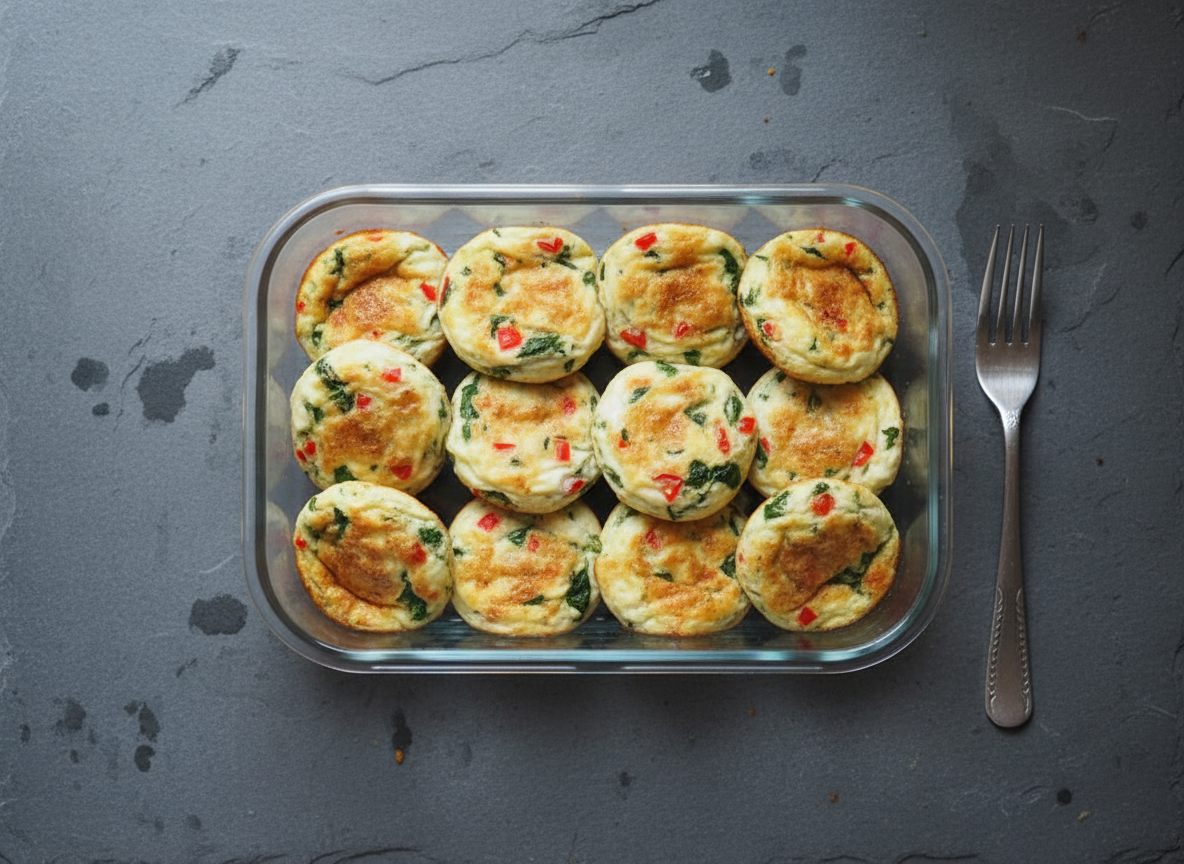
  • Garlic Butter Steak Bites and Eggs

    Garlic Butter Steak Bites and Eggs

    Recipe · TRT / Beef & Eggs / High-protein

    Garlic Butter Steak Bites and Eggs

    Seared cubes of steak tossed in garlic butter, two eggs cooked soft alongside, and a plate that lands around 580 calories with 48 grams of protein. Whole-food, steady-burning fuel for the days you want to eat like a grown man and feel level for hours after.

    GoalTRT
    Total time15 min
    Servings1 big plate
    Protein / serving48 g
    Calories / serving580 kcal
    Seared steak bites glistening in garlic butter beside two soft eggs on a plate under cold light Plate 01 / Finished

    Steak and eggs is an old, honest plate. Lifters have eaten it for a hundred years, and not because it’s clever — because it’s whole food that works. When I came off the years of competition dieting and settled into eating for the long haul, this is the kind of meal I came back to. No powders, no tricks. Beef, eggs, butter, garlic. Food my grandfather would recognise.

    Cutting the steak into bites is the small change that makes it. You get more seared surface, the garlic butter coats every piece, and it cooks in a couple of minutes flat over real heat. The eggs go in the same pan after, soaking up what the beef left behind. It’s the meal I make on a slow morning or a quiet evening when I want something that sits well and keeps me steady — not a spike of energy and a crash an hour later, just a long, level burn.

    I won’t sell you magic. This is simply how I like to eat now: real protein, real fats, cooked properly, nothing pretending to be something it isn’t. Eating steady, whole-food meals like this tends to keep me satisfied and even through the day, and that’s worth a great deal. If that suits how you’re living too, good — pull up a chair. I’ve got you.

    01Who it’s for & when to eat it

    Steak and eggs is a brilliant whole-food base — high protein, healthy fats, nothing processed. What you add around it sets the calories and the job it does. Here’s how I steer it.

    On a cut

    Trim it back

    Leaner steak, one egg instead of two, half the butter and a pile of greens for volume. Keeps the protein high and the plate satisfying while the calories come right down. Numbers in the variations below.

    On a bulk

    Build it up

    Bigger steak, three eggs, and a hunk of sourdough or some potatoes to mop the garlic butter. Easy clean calories from whole food — proper fuel for a heavy training day.

    On TRT

    Steady fuel

    The default plate as written — steak, two eggs, garlic butter, a handful of greens or tomatoes on the side. Whole-food protein and fats that keep you full and level for hours. My go-to.

    Timing: this is a substantial, slow-burning plate, so it’s lovely as a late breakfast or an early dinner when you want one solid meal to carry you. The protein and fat together keep hunger quiet for a good long while.

    02Ingredients

    Makes 1 big plate — one generous serving. Doubling for two? Sear the steak in two batches so the pan stays screaming hot and the bites caramelise rather than steam.

    Servings 1 · adjust on the live recipe card
    • Sirloin or rump steak, cubed180 g · 6.3 oz
    • Eggs, large2
    • Butter15 g · 1 tbsp
    • Garlic, finely sliced3 cloves
    • Olive oil for searing1 tsp · 5 ml
    • Fresh parsley, chopped1 tbsp
    • Cherry tomatoes or greens to serve100 g · 3.5 oz
    • Black pepperto taste
    • Saltto taste

    Swaps I actually use: any tender cut works — sirloin, rump, ribeye, even good steak tips. Cheaper cut? Cube it smaller and don’t overcook it. No butter? A flavoured olive oil does the job, though you lose a little richness. Swap the parsley for chives, and the side of greens for sautéed spinach, mushrooms or peppers depending on what’s in the fridge.

    03Step by step

    Prep the steak

    Cube it, dry it, season it

    Cut the steak into even, bite-sized cubes and pat them properly dry with paper towel. Season with salt and pepper. Dry meat sears; wet meat steams — and steamed steak is grey and sad. Get the surface bone dry.

    Magnus says: dry the beef like you mean it. The crust is the whole reward.

    Cubed steak being patted dry and seasoned
    Sear the bites

    Hot pan, single layer

    Heat the olive oil in a pan over high until it shimmers. Add the steak cubes in a single layer — don’t crowd them — and sear for about a minute a side until deeply browned but still pink within. Take them out and rest them on a warm plate.

    Magnus says: don’t crowd the pan. Cubes touching means steam, and steam means no crust.

    Steak cubes searing deeply browned in a hot pan
    Make the garlic butter

    Melt, bloom, toss

    Drop the heat to medium and add the butter and sliced garlic to the same pan. Let it foam and turn fragrant for about a minute — don’t let the garlic brown hard. Tip the steak back in, toss to coat every cube, then pull it all out.

    Steak bites tossed in foaming garlic butter
    Cook the eggs

    Same pan, soft whites

    Crack the eggs straight into the buttery pan and cook to your liking — I go for set whites and a soft, runny yolk that becomes a sauce. Two minutes over medium does it. Season with a little pepper.

    Magnus says: cook the eggs in the steak pan. All that garlic butter is flavour you’ve already paid for.

    Two eggs frying in the garlicky buttered pan
    Plate it up

    Beef, eggs, greens

    Pile the steak bites onto the plate, slide the eggs alongside, and add the tomatoes or greens. Scatter over the parsley and spoon any garlic butter left in the pan over the top. Eat it straight away while everything’s hot.

    The finished plate of steak bites, eggs and greens

    04The spec sheet

    Real numbers, calculated — not guessed. This makes one big plate, about 420g of food. Here’s what the whole serving and a flat 100g actually give you.

    Macros — per serving & per 100g
    NutrientPer servingPer 100g
    Energy580 kcal138 kcal
    Protein48.0 g11.4 g
    Carbohydrate6.0 g1.4 g
    — of which sugars4.0 g1.0 g
    Fat41.0 g9.8 g
    — of which saturates17.0 g4.0 g
    Fibre2.0 g0.5 g
    Sodium~0.65 g~0.15 g
    Calorie density
    138 kcal / 100g

    Moderate. The butter and egg yolks bring the calories up, but it’s all whole-food fat and protein — this is a satisfying, substantial plate built to keep you full and steady, not to chase low numbers.

    Protein per 100 kcal
    8.3 g / 100 kcal

    A lifter’s metric. Strong protein for a higher-fat plate — you’re getting a serious dose of whole-food protein alongside the fats that make it taste this good.

    Key micros (per serving, approx.)
    • Vitamin B12~4.0 µg · 167% DV
    • Zinc~9 mg · 82% DV
    • Iron~4.5 mg · 25% DV
    • Selenium~45 µg · 82% DV
    • Choline~280 mg · 51% DV
    • Vitamin A~250 µg · 28% DV

    Macros are calculated from standard food-composition data and will shift a little with your exact ingredients and brands — fattier cuts will push the calories up. Micronutrient figures are estimates against general adult Daily Values. Numbers are for guidance, not medical advice — see our Nutrition Disclaimer.

    05Bulk / Cut / TRT variations

    One base, three jobs. The steak and eggs stay the same — you adjust the fat and carbs around them. Macros below are for a full serving.

    Cut

    Trim it back

    Leaner steak, one egg, half the butter and a big pile of greens for volume. Keeps the protein high and the plate satisfying while the calories drop — proof a cut meal can still feel like real food.

    390Kcal
    42G Protein
    22G Fat
    Bulk

    Build it up

    Bigger steak, three eggs, and a thick slice of sourdough or some roast potatoes to mop the garlic butter. Easy clean calories from whole food — proper fuel for a heavy training day.

    820Kcal
    58G Protein
    48G Fat
    TRT

    Steady & balanced

    The default plate — steak, two eggs, garlic butter, greens on the side. Whole-food protein and healthy fats that keep you full and level for hours. This is how I eat it most days.

    580Kcal
    48G Protein
    41G Fat

    06Meal prep & storage

    Steak bites are best straight from the pan, but the components prep fine if you’re sensible. I’ll cube and season the steak ahead so it’s ready to hit a hot pan, and cook the eggs fresh — they take two minutes.

    Fridge
    3 days

    Cooked steak bites keep for up to three days in an airtight container. Cook the eggs fresh each time — reheated fried eggs are never as good.

    Freezer
    Not ideal

    I don’t freeze cooked steak bites — they dry out and toughen on thawing. Keep raw cubed steak portioned in the freezer instead and sear fresh.

    Reheat
    60 sec

    Gently, just to warm through — a quick toss in a hot pan keeps them tender. Push the reheat and good steak turns to leather.

    If you’re prepping for the week, cube and season the steak ahead and keep it in the fridge ready to go. Searing the bites and frying two eggs is a five-minute job — barely more effort than reheating, and it tastes far better fresh.

    Free · the 7-day “Get Fed” plan

    Want a whole week built around food like this?

    Drop your email and I’ll send you my free 7-day plan — meals, macros already counted, grocery list written. No spam, no lectures.

    No spam. Unsubscribe whenever. See what’s in the plan →

    07Common questions

    Why “TRT” — is this a medical recipe? +

    No. It’s just how I label the whole-food, protein-and-fat plates I lean on for steady energy through the day — the way I like to eat now. I’m not a doctor, this isn’t medical advice, and nothing here treats or replaces anything. It’s food. If you have questions about your own health, that’s a conversation for your GP, not a recipe blog.

    What’s the best cut for steak bites? +

    Anything tender that takes a fast, hot sear. Sirloin and rump are my everyday picks — good flavour, sensible price. Ribeye is richer if you want a treat. Steak tips work beautifully too. If you’re using a cheaper cut, cube it a little smaller and keep it pink in the middle so it stays tender.

    How do I keep the steak tender? +

    Two rules: sear it hard and fast on real heat, and don’t overcook it. A minute a side on a screaming-hot pan gets you a crust while the inside stays pink and juicy. Then rest it on a warm plate while you cook the eggs. Overcooked beef goes tough no matter how good the cut.

    Can I make this lower in calories? +

    Easily. Use a leaner cut, drop to one egg, halve the butter and pile on a big side of greens for volume. That brings it from around 580 to roughly 390 calories while keeping the protein high — a genuinely satisfying plate that still eats like real food. See the Cut variation above for the numbers.

    Is steak and eggs every day a good idea? +

    I’d rotate it. It’s a fine, nutritious plate, but variety is your friend — mix in fish, poultry and plenty of veg across the week so you’re not leaning on red meat every single day. General healthy-eating guidance from bodies like the NHS suggests keeping red and processed meat moderate. Enjoy it often, not exclusively.

    From my 7-day TRT plan

    This plate lives inside a full week of meals.

    These steak bites are one meal in my 7-day steady-energy plan — seven days of whole-food, high-protein meals with the macros counted and the grocery list written. You pick the goal; I do the maths.

    See the TRT meal plan
    Garlic butter steak bites and eggs portioned as part of a meal plan under cold light

    08Pairs well with

    Browse all recipes →

    Magnus Olafsson in his kitchen — bald, bearded and broad, in his pink apron, under cold light
    About the author

    Magnus Olafsson

    I’m Magnus — twenty years under the iron, from a cold gym in Stockholm to the classic-physique stage, and now mostly in my kitchen in a pink apron. I’ve cut for shows, bulked through winters, and I’ve been on TRT since I was thirty-five. I know what it takes to eat for the body you’re chasing, and I know it shouldn’t come with a side of shame.

    Everything here is food I actually cook and macros I actually count. I don’t diagnose, I don’t promise, and I never make a number up. I just feed you well and tell you the truth.

    NPC Illinois NPC Classic Physique On TRT since 35 20 years training

    Slim Diet Era shares recipes and general nutrition information. It is not medical or dietetic advice, and we do not provide guidance on obtaining or using any controlled substance. See our Medical Disclaimer and Nutrition Disclaimer.
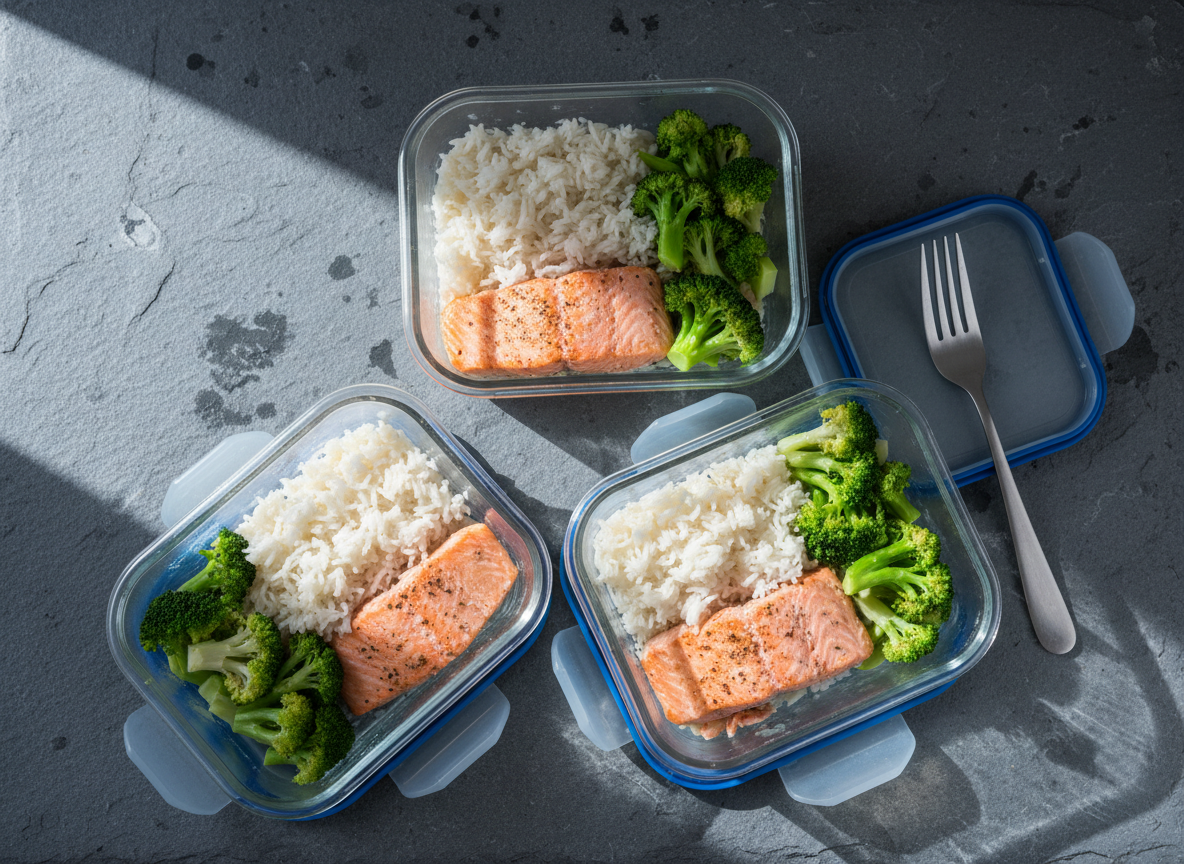
  • Brazil-Nut and Berry Skyr Bowl

    Brazil-Nut and Berry Skyr Bowl

    Recipe · TRT / Breakfast / High-protein

    Brazil-Nut and Berry Skyr Bowl

    Thick, cold skyr under a tumble of mixed berries, two chopped brazil nuts and a thread of honey — about 380 calories and 30 grams of protein, and not a single thing to switch on. This is the bowl I build on the mornings I want something quick, steady and whole-food, and it’s ready in five minutes flat. No cooking, no fuss, just real breakfast.

    GoalTRT
    Total time5 min
    Servings1 bowl
    Protein / serving30 g
    Calories / serving380 kcal
    A bowl of thick skyr topped with mixed berries, chopped brazil nuts and a drizzle of honey under cold light Bowl 01 / Finished

    I found skyr the way most people do — looking for something thicker than yogurt that wouldn’t disappear in two spoonfuls. It’s an old Icelandic thing, strained until it’s dense and almost cheese-like, and it carries a serious amount of protein for what it is. The first morning I had it I remember thinking, well, that’s the search over. It’s been a fixture in my fridge ever since, and this bowl is the five-minute breakfast I build on it most often.

    There’s nothing clever going on here, and that’s the point. Skyr brings the protein. The berries bring colour, a little sweetness and the antioxidants that come bundled into real fruit. The brazil nuts go on for crunch and good whole-food fat, and they happen to be one of the better food sources of selenium going. I’m not dressing any of that up as medicine, love — it’s just a bowl of dairy, fruit and nuts, the kind of breakfast that keeps me full and steady for hours instead of leaving me hunting for a second one by ten o’clock.

    One honest word on those brazil nuts before we go further: they’re so high in selenium that a couple is genuinely plenty. You don’t need a handful. I keep it to two chopped nuts on a bowl and I’d gently steer you to do the same — it still tastes great, and a little goes a long way. More on that in the questions below.

    01Who it’s for & when to eat it

    A no-cook, protein-forward bowl that flexes to your goal. The skyr stays the base; you steer the calories with the nuts, the honey and how much granola you scatter on top.

    On TRT

    Steady morning fuel

    The bowl as written. High-protein skyr, whole-food fat from the nuts and antioxidants from the berries give you 30g of protein in a breakfast that’s calm on the gut and easy to make half-awake.

    On a cut

    Pull the calories back

    Skip the granola and the honey, lean on the berries for sweetness, and you’ve still got a thick, satisfying bowl with the protein fully intact and the calories right down.

    On a bulk

    Build it up

    Stir in a scoop of whey, pile on the granola and add a spoon of nut butter. Easy clean calories on top of the same protein base — the numbers are in the variations below.

    Timing: this is a brilliant breakfast — cold, quick and protein-heavy to start the day steady. It works just as well as an afternoon snack when you want something real instead of reaching for biscuits, and it travels fine in a jar.

    02Ingredients

    Makes 1 bowl. Building a few jars for the week? Multiply it straight up — just keep the nuts and granola separate until you eat, or they’ll go soft.

    Servings 1 · adjust on the live recipe card
    • Skyr, plain or thick Greek yogurt200 g · 7 oz
    • Mixed berries fresh or frozen80 g · 2.8 oz
    • Brazil nuts, chopped2 nuts · ~8 g
    • Honey optional1 tsp · 7 g
    • Ground cinnamona pinch
    • Granola optional, for crunch15 g · 0.5 oz

    Swaps I actually use: no skyr? Thick Greek yogurt works the same way, just a touch less protein per spoon. Want more protein still, on a bulk or a hard training day? Stir a scoop of whey or a whey-boosted high-protein yogurt through the skyr — it pushes you well past 40g without changing the bowl. Frozen berries are honestly fine and often cheaper; let them sit two minutes and they soften and bleed their juice into the skyr beautifully. Out of brazil nuts? A few chopped almonds or walnuts give you the crunch — you just lose the selenium, which is no disaster.

    03Step by step

    The base

    Spoon the skyr in cold

    Spoon the skyr straight from the fridge into your bowl and level it off with the back of the spoon. Stir the pinch of cinnamon through it now if you like — it warms the whole thing up flavour-wise without a single thing heating up.

    Magnus says: cold and thick is the whole appeal. Don’t water it down with anything.

    Thick plain skyr being spooned into a bowl from a tub
    The berries

    Tumble them over the top

    Scatter the mixed berries across the skyr. If you’re using frozen, give them two minutes to soften and they’ll start to bleed their juice into the white — that’s the prettiest part of the bowl and the tastiest.

    Magnus says: a few halved strawberries on top and it looks like you tried much harder than five minutes.

    Mixed berries being scattered over a bowl of thick skyr
    The nuts

    Chop just the two

    Roughly chop two brazil nuts on the board and scatter them over. Two is the number, love — they’re rich in selenium and a couple genuinely does the job, both for crunch and for the good of you. No need for a handful.

    Two brazil nuts being roughly chopped on a wooden board
    The finish

    Drizzle, scatter, done

    Thread the honey over the top if you’re having it, and scatter on the granola last so it stays crunchy. That’s the bowl — cold, thick, bright and ready. Eat it straight away while everything’s still got its texture.

    Honey being drizzled over a finished skyr bowl with berries, nuts and granola

    04The spec sheet

    Real numbers, calculated — not guessed. The bowl as written is one serving, about 320g of food. Here’s what that serving and a flat 100g actually give you.

    Macros — per serving & per 100g
    NutrientPer servingPer 100g
    Energy380 kcal119 kcal
    Protein30.0 g9.4 g
    Carbohydrate34.0 g10.6 g
    — of which sugars24.0 g7.5 g
    Fat13.0 g4.1 g
    — of which saturates3.5 g1.1 g
    Fibre4.5 g1.4 g
    Sodium~0.10 g~0.03 g
    Calorie density
    119 kcal / 100g

    Low. Skyr is mostly protein and water, so the bowl is big and filling for its calories — the fats from the nuts and the natural sugars in the fruit do the rest of the work.

    Protein per 100 kcal
    7.9 g / 100 kcal

    A lifter’s metric, and a strong one for a breakfast. Skyr is a genuinely protein-dense base, which is exactly why it’s worth keeping in the fridge over thinner yogurts.

    Key micros (per serving, approx.)
    • Selenium brazil nuts~190 µg · 345% DV
    • Calcium skyr~280 mg · 28% DV
    • Vitamin C berries~22 mg · 24% DV
    • Phosphorus~250 mg · 36% DV
    • Vitamin B12~1.2 µg · 50% DV
    • Magnesium~55 mg · 13% DV

    Macros are calculated from standard food-composition data and will shift a little with your exact skyr, berries and brands. Micronutrient figures are estimates against general adult Daily Values. A quick honest note on that selenium number: brazil nuts are exceptionally high in it, so even two nuts push well over 100% — that’s why I keep it to a couple and don’t pile them on. Skyr is a recognised whole-food source of protein and calcium and berries of vitamin C — those are statements about food, not medical claims. Numbers are for guidance, not medical advice — see our Nutrition Disclaimer.

    05Bulk / Cut / TRT variations

    One bowl, three jobs. The skyr base never changes — you adjust the toppings around it. Macros below are for a full serving.

    TRT

    Steady & whole-food

    The bowl as written: skyr, berries, two brazil nuts, a thread of honey and a little granola. High protein, whole-food fat and antioxidants in a calm, no-cook breakfast.

    380Kcal
    30G Protein
    13G Fat
    Cut

    Lean it out

    Drop the granola and the honey, keep the two nuts and lean on the berries for sweetness. You hold all the protein and the selenium while pulling the calories right back.

    270Kcal
    27G Protein
    10G Fat
    Bulk

    Build it up

    Stir a scoop of whey through the skyr, double the granola and add a spoon of nut butter. Easy, clean calories that turn this into a serious morning bowl.

    610Kcal
    52G Protein
    22G Fat

    06Meal prep & storage

    This one is a dream to prep ahead — you can build the bowls in jars the night before and grab one on your way out. The only rule is keep the crunchy bits separate until you eat.

    Jars, made ahead
    3 days

    Layer skyr and berries in a jar the night before and seal it. The berries soften and their juice runs into the skyr overnight — honestly it’s better for the wait.

    Nuts & granola
    keep dry

    Store the chopped nuts and granola in a separate little pot or bag and scatter them on only when you sit down. Mix them in early and they go soft and sad by morning.

    Frozen berries
    months

    Keep a bag of frozen mixed berries in the freezer and you’re never out. Spoon them straight onto the skyr the night before and they thaw perfectly in the jar.

    For a TRT breakfast that needs a pan but is just as steady, try my Avocado Toast and Poached Egg — this bowl is the one for the mornings you can’t face the stove at all.

    Free · the 7-day “Get Fed” plan

    Want a whole week built around food like this?

    Drop your email and I’ll send you my free 7-day plan — meals, macros already counted, grocery list written. No spam, no lectures.

    No spam. Unsubscribe whenever. See what’s in the plan →

    07Common questions

    Is this a good breakfast for men on TRT? +

    It’s a great whole-food breakfast for anyone — skyr gives you 30g of protein to start the day steady, the berries bring vitamin C and antioxidants, and the nuts add good fat. I eat it often myself. But food supports how you feel and recover; it isn’t treatment, and I won’t pretend a bowl of skyr does what your protocol does. Have it because it’s genuinely good food that keeps you full and even all morning.

    Why only two brazil nuts — can I have more? +

    You can, but I’d gently keep it to a couple. Brazil nuts are exceptionally high in selenium — more than almost any other food — so two already give you plenty, and the selenium adds up if you’re eating a handful every day. This isn’t medical dosing advice, love, just friendly common sense: a couple tastes great and does the crunchy job, and there’s no prize for piling them on.

    What’s the difference between skyr and Greek yogurt? +

    Both are strained, but skyr is technically a fresh soft cheese, strained even further, so it’s thicker and usually a touch higher in protein for the same spoonful. Thick Greek yogurt works exactly the same way in this bowl and tastes lovely — you just lose a gram or two of protein. Use whichever you can get easily.

    Can I use frozen berries instead of fresh? +

    Absolutely, and I often do. Frozen mixed berries are picked ripe, they’re cheaper, and they last for months. Let them sit on the skyr for a couple of minutes and they soften and bleed their juice into it — genuinely one of the best things about this bowl. No need to cook or thaw them first.

    How do I turn this into a bulk breakfast? +

    Stir a scoop of whey through the skyr, double the granola and add a spoon of nut butter. That takes it from around 380 to roughly 610 calories with 52g of protein. See the Bulk variation above for the full numbers — clean carbs and protein, and still no cooking.

    From my 7-day TRT plan

    This bowl lives inside a full week of meals.

    The brazil-nut and berry skyr bowl is one breakfast in my 7-day TRT plan — a week of whole-food, protein-forward meals with the macros counted and the grocery list written. You pick the goal; I do the maths.

    See the TRT meal plan
    The 7-day TRT meal plan laid out as portioned whole-food meals under cold light

    08Pairs well with

    Browse all recipes →

    Magnus Olafsson in the gym — bald, bearded and broad, in his pink apron
    About the author

    Magnus Olafsson

    I’m Magnus — twenty years under the iron, from a cold gym in Stockholm to the classic-physique stage, and now mostly in my kitchen in a pink apron. I’ve cut for shows, bulked through winters, and I’ve been on TRT since I was thirty-five. I know what it takes to eat for the body you’re chasing, and I know it shouldn’t come with a side of shame.

    Everything here is food I actually cook and macros I actually count. I don’t diagnose, I don’t promise, and I never make a number up. I just feed you well and tell you the truth.

    NPC Illinois NPC Classic Physique On TRT since 35 20 years training

    Slim Diet Era shares recipes and general nutrition information. It is not medical or dietetic advice, and we do not provide guidance on obtaining or using any controlled substance. See our Medical Disclaimer and Nutrition Disclaimer.
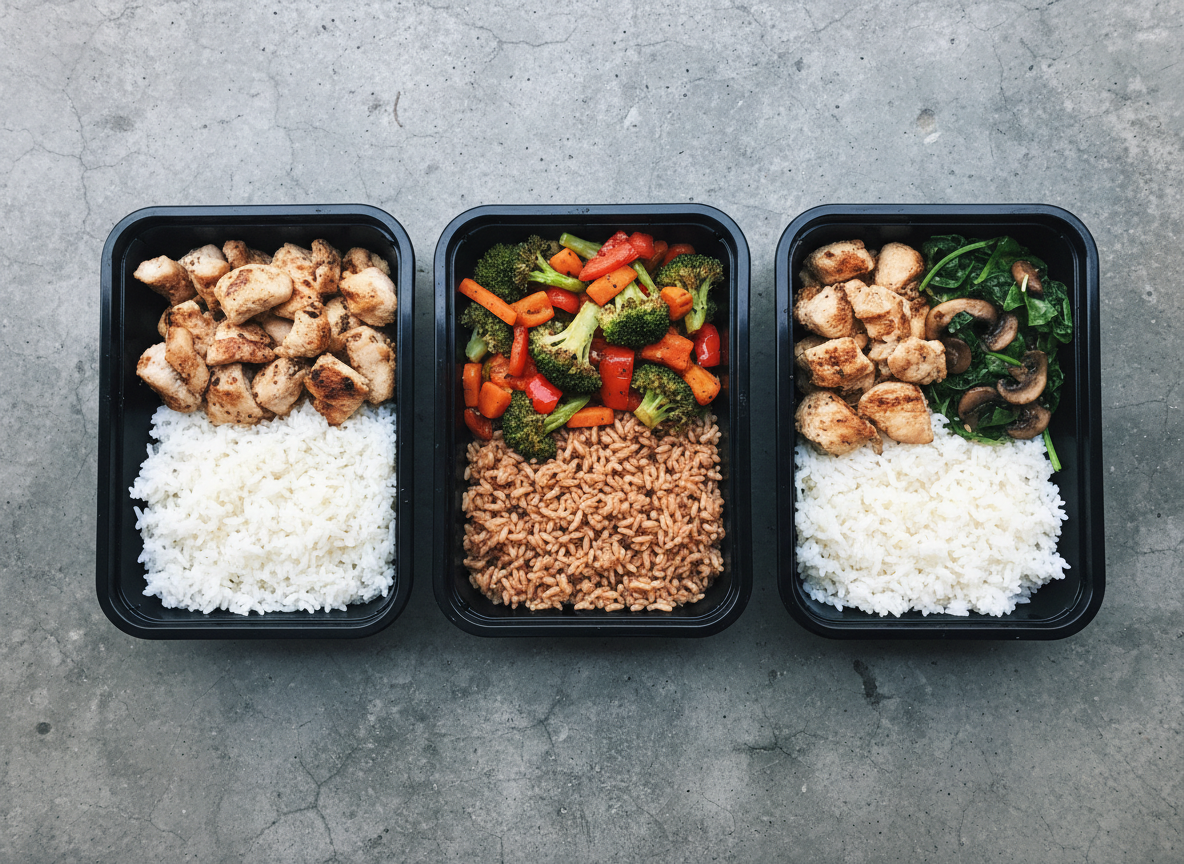
  • Ribeye and Charred Asparagus

    Ribeye and Charred Asparagus

    Recipe · TRT / Dinner / High-protein

    Ribeye and Charred Asparagus

    A proper dinner for the end of a long day — a well-marbled ribeye seared hard and rested while a bundle of asparagus blisters black at the tips. About 610 calories, 50 grams of protein, and a plate of whole-food fat, zinc and B12 that feels grounding when you’re eating for steady energy. Twenty minutes, one pan, no fuss.

    GoalTRT
    Total time20 min
    Servings1 plate
    Protein / serving50 g
    Calories / serving610 kcal
    A seared rested ribeye sliced beside a bundle of asparagus charred black at the tips on a plate under cold light Plate 01 / Finished

    I learned to char asparagus properly one summer in a friend’s back garden in Malmö, standing over a little charcoal grill that was far too small for the crowd he’d invited. I’d always cooked asparagus too gently before that — boiled it, steamed it, treated it like something delicate. He took the bundle straight out of my hands, rolled it in oil, and threw it onto the screaming-hot bars until the tips went black and the stalks went sweet. I stood there a bit annoyed, if I’m honest. Then I ate one. I’ve never cooked it any other way since.

    This plate brings that lesson indoors. The ribeye does most of the work — a fattier cut than I’d use on a cut, with that lovely marbling running through it — and the asparagus gets the same hard treatment in the same hot pan once the steak’s resting. The char is the whole point. It turns a green stick you tolerate into something you actually look forward to, smoky and a little sweet, with a squeeze of lemon to cut the richness of the beef.

    I lean on ribeye dinners more since I went on TRT in my mid-thirties — not because a steak is medicine, it isn’t, but because red meat is an honest whole-food source of protein, zinc and B12, and eating well is the part of all this I can actually control. So I cook it with care and I sit down to it properly. You should too, love.

    01Who it’s for & when to eat it

    This is a whole-food, high-protein dinner that bends to whatever you’re doing. The ribeye and the asparagus stay the same; you steer the calories with the cut you choose and how much oil you use.

    On TRT

    Grounding evening fuel

    The plate as written. A marbled ribeye for real whole-food fat, complete protein, plus zinc and B12 from the beef, and charred asparagus for fibre and a hit of folate and vitamin K. It eats like a treat and sits like a proper meal.

    On a cut

    Trim it down

    Swap the ribeye for a leaner sirloin, use the lightest film of oil, and double the asparagus for volume. You keep all the protein and most of the satisfaction for noticeably fewer calories — exact numbers in the variations below.

    On a bulk

    Build it up

    Add a fist of crushed roast potatoes or a thick slice of sourdough rubbed with the steak fat, and finish with a little extra parmesan over the asparagus. Easy clean calories. The maths is in the variations.

    Timing: this is a dinner first and foremost — the kind of plate you want at the end of a heavy day or after evening training. It’s not a fast snack; it’s a sit-down meal. That said, there’s no rule against a ribeye for a slow weekend breakfast if that’s your mood.

    02Ingredients

    Makes 1 plate. Cooking for two? Double everything and sear the steaks one at a time so they brown instead of stewing, then char the asparagus in two batches.

    Servings 1 · adjust on the live recipe card
    • Ribeye steak about 2cm thick170 g · 6 oz
    • Asparagus, trimmed150 g · 5.3 oz
    • Garlic, smashed2 cloves
    • Olive oil2 tsp · 10 ml
    • Lemon½, for squeezing
    • Parmesan, grated optional10 g · 0.35 oz
    • Black pepperto taste
    • Flaky saltto taste

    Swaps I actually use: for a leaner plate, swap the ribeye for a thick sirloin or rump and use less oil — you’ll drop the fat without losing the protein. No asparagus, or it’s out of season? Broccolini chars beautifully the same way and brings the same green sweetness; tenderstem broccoli works too. The parmesan’s optional but a small grating over the hot asparagus is a lovely thing. A pinch of chilli flakes never hurts.

    03Step by step

    Prep the steak

    Dry it, salt it, let it warm up

    Pat the ribeye bone-dry with paper towel and season both sides well with salt and pepper. Let it sit out of the fridge for ten minutes if you can — a fridge-cold steak this thick cooks unevenly and grey through the middle. A dry surface is what gives you a crust instead of a steam bath.

    Magnus says: a thick ribeye needs that warm-up more than a thin steak does. Patience here pays off.

    A thick ribeye steak being patted dry and seasoned with salt and pepper
    Sear hard

    Get the pan smoking before the steak goes in

    Heat a heavy pan until it’s properly hot — you want a faint shimmer of smoke, not a polite warmth. Add a teaspoon of oil, lay the ribeye down, and leave it for about 3 minutes a side for a thick cut at medium-rare. Toss the smashed garlic in for the last minute to perfume the fat. Don’t move it around; let the crust build.

    Magnus says: a cold pan gives you a grey steak. Heat it until you’re slightly nervous, then go.

    A thick ribeye searing hard in a smoking-hot heavy pan with smashed garlic
    Rest it

    Off the heat, onto a board, hands off

    Lift the ribeye out onto a board and leave it alone for a full five minutes — longer than you think you need. A thick steak needs the rest to let the juices settle back through the meat. Tent it loosely with foil if your kitchen’s cold. This is the difference between juicy and dry, so don’t rush it.

    Magnus says: the rest isn’t dead time. It’s when the steak finishes cooking. Use it to char the greens.

    A seared ribeye resting on a wooden board loosely tented with foil
    Char the asparagus

    Same hot pan, leave it to blister

    While the steak rests, turn the heat back up under the same pan — all that beef fat is flavour. Add the second teaspoon of oil, roll the asparagus in it, and lay it down in a single layer. Leave it untouched for a couple of minutes until the underside blackens, then turn and char the other side. You want the tips properly dark and the stalks still with a bit of bite.

    Magnus says: a crowded pan steams, it won’t char. Give the stalks room, or do them in two batches.

    Asparagus blistering and charring black at the tips in a hot pan
    Finish the greens

    Lemon, pepper, parmesan if you like

    Pull the pan off the heat. Squeeze the lemon over the charred asparagus, grind on some pepper, and grate over the parmesan if you’re using it — the residual heat melts it just enough. The acid cuts straight through the richness of the ribeye and wakes the whole plate up.

    Charred asparagus finished with a squeeze of lemon and grated parmesan
    Slice & plate

    Against the grain, flaky salt, eat it hot

    Slice the rested ribeye against the grain so every bite eats tender, and spoon any juices from the board back over the top — that’s pure flavour, don’t waste it. Plate it with the charred asparagus, scatter a little flaky salt, and sit down to it while everything’s still hot. Done.

    Sliced ribeye plated against the grain beside charred asparagus, finished with flaky salt

    04The spec sheet

    Real numbers, calculated — not guessed. The plate as written is one serving, about 350g of cooked food. Here’s what that serving and a flat 100g actually give you.

    Macros — per serving & per 100g
    NutrientPer servingPer 100g
    Energy610 kcal174 kcal
    Protein50.0 g14.3 g
    Carbohydrate6.0 g1.7 g
    — of which sugars2.5 g0.7 g
    Fat43.0 g12.3 g
    — of which saturates16.0 g4.6 g
    Fibre3.0 g0.9 g
    Sodium~0.60 g~0.17 g
    Calorie density
    174 kcal / 100g

    Moderate. The marbling in the ribeye carries most of the calories, which is exactly what you want from a satisfying dinner that holds you through the evening rather than leaving you raiding the cupboard at nine.

    Protein per 100 kcal
    8.2 g / 100 kcal

    A lifter’s metric. It runs lower than a pure lean plate because the ribeye’s fat earns its keep — but 50g of complete protein in one dinner is a genuinely strong number for an evening meal.

    Key micros (per serving, approx.)
    • Zinc~8.5 mg · 77% DV
    • Vitamin B12~2.8 µg · 117% DV
    • Iron~4.5 mg · 25% DV
    • Selenium~38 µg · 69% DV
    • Folate (from asparagus)~80 µg · 20% DV
    • Vitamin K~60 µg · 50% DV

    Macros are calculated from standard food-composition data and will shift a little with your exact cut of ribeye and brands. Micronutrient figures are estimates against general adult Daily Values. Red meat and green vegetables are whole-food sources of nutrients like zinc, B12 and folate that matter for general health; that’s a statement about food, not a medical claim. Numbers are for guidance, not medical advice — see our Nutrition Disclaimer.

    05Bulk / Cut / TRT variations

    One plate, three jobs. The method never changes — you adjust the cut, the oil, and what you serve alongside. Macros below are for a full serving.

    TRT

    Steady & whole-food

    The plate exactly as written: a marbled ribeye, charred asparagus, lemon and a little parmesan. Whole-food fats, complete protein, and a real hit of zinc and B12. My grounding end-of-day dinner.

    610Kcal
    50G Protein
    43G Fat
    Cut

    Lean it out

    Swap the ribeye for a thick lean sirloin, use the lightest film of oil, skip the parmesan, and double the asparagus. You keep every gram of protein and most of the satisfaction for far fewer calories.

    430Kcal
    52G Protein
    20G Fat
    Bulk

    Build it up

    Add a fist of crushed roast potatoes or a thick slice of sourdough rubbed in the steak fat, and a little extra parmesan. Easy clean calories without losing the simplicity that makes this work.

    820Kcal
    57G Protein
    48G Fat

    06Meal prep & storage

    Honestly, this is a cook-fresh plate — a good ribeye and properly charred asparagus both lose their magic the moment they go cold and wait. But you can do the prep that makes it a twenty-minute job rather than a faff.

    Ribeye, cooked
    2 days

    If you’ve got leftover steak, slice it cold and keep it airtight. Warm it through in the pan for the last thirty seconds only — never fully recook a ribeye, or that lovely fat turns grey and the meat toughens.

    Asparagus, prepped
    cook fresh

    Trim and wash the asparagus ahead and keep it bagged with a sheet of paper towel, but char it to order. Reheated asparagus goes limp and sad — two minutes in a hot pan is no hardship.

    Garlic & lemon
    2 days

    Smash the garlic and cut the lemon ahead if it saves you time after work. Small things, but they’re what turn cooking into a quick assembly job on a tired evening.

    If you want a TRT dinner that genuinely batches for the week, my Beef and Pepper Traybake reheats far better than this one does — make that on a Sunday and keep this ribeye for the nights you’ve earned a proper sit-down plate.

    Free · the 7-day “Get Fed” plan

    Want a whole week built around food like this?

    Drop your email and I’ll send you my free 7-day plan — meals, macros already counted, grocery list written. No spam, no lectures.

    No spam. Unsubscribe whenever. See what’s in the plan →

    07Common questions

    Is ribeye good for men on TRT? +

    It’s a solid whole-food dinner for anyone, and red meat happens to be rich in things like zinc, B12 and complete protein that matter for general health. I eat ribeye most weeks myself. But I’ll be straight with you: food supports how you feel and recover — it isn’t treatment, and no plate changes your numbers the way your protocol does. Eat it because it’s good food that keeps you full, not because anyone’s promising you anything.

    How do I char the asparagus without overcooking it? +

    The trick is heat and space. Get the pan properly hot, give the stalks room so they char instead of steam, and leave them untouched for a couple of minutes a side. You’re after black, blistered tips with the stalks still holding a bit of bite — pull them the moment they look right. Thinner spears char faster, so keep an eye on them. If your asparagus is very thick, give it an extra minute but don’t drop the heat.

    How do I get the steak doneness right on a thick ribeye? +

    For a 2cm cut, about 3 minutes a side in a smoking-hot pan lands you at medium-rare, but pans and steaks vary. The honest answer is to use a thermometer if you have one — pull it at around 52°C for medium-rare, knowing it’ll climb a few degrees while it rests. No thermometer? Press the steak: rare feels soft, medium-rare springs back gently, well-done feels firm. And rest it five full minutes either way.

    What’s the leanest way to make this? +

    Swap the ribeye for a thick lean sirloin, use only the lightest film of oil, skip the parmesan, and double the asparagus for volume. That takes it from around 610 calories down to roughly 430 while keeping all 50 grams of protein — actually a touch more. See the Cut variation above for the full numbers.

    Can I cook this on a grill instead of a pan? +

    Absolutely — a grill is where this plate was born for me. Get the bars screaming hot, sear the ribeye 3 minutes a side, rest it, then roll the asparagus in oil and char it straight on the grate. Same method, same numbers. Just keep the asparagus moving a little more, since open flame chars faster and less evenly than a flat pan.

    From my 7-day TRT plan

    This dinner lives inside a full week of meals.

    Ribeye and charred asparagus is one plate in my 7-day TRT plan — a week of whole-food, protein-forward meals with the macros counted and the grocery list written. You pick the goal; I do the maths.

    See the TRT meal plan
    The 7-day TRT meal plan laid out as portioned whole-food meals under cold light

    08Pairs well with

    Browse all recipes →

    Magnus Olafsson in the gym — bald, bearded and broad, in his pink apron
    About the author

    Magnus Olafsson

    I’m Magnus — twenty years under the iron, from a cold gym in Stockholm to the classic-physique stage, and now mostly in my kitchen in a pink apron. I’ve cut for shows, bulked through winters, and I’ve been on TRT since I was thirty-five. I know what it takes to eat for the body you’re chasing, and I know it shouldn’t come with a side of shame.

    Everything here is food I actually cook and macros I actually count. I don’t diagnose, I don’t promise, and I never make a number up. I just feed you well and tell you the truth.

    NPC Illinois NPC Classic Physique On TRT since 35 20 years training

    Slim Diet Era shares recipes and general nutrition information. It is not medical or dietetic advice, and we do not provide guidance on obtaining or using any controlled substance. See our Medical Disclaimer and Nutrition Disclaimer.

  • Pan-Seared Mackerel and Olive Salad

    Pan-Seared Mackerel and Olive Salad

    Recipe · TRT / Dinner / Whole-food

    Pan-Seared Mackerel and Olive Salad

    Crisp-skinned mackerel over a bright olive salad — tomatoes, cucumber, red onion and parsley, all woken up with lemon and good olive oil. About 500 calories and 40 grams of protein, built almost entirely from whole food. This is the plate I make when I want something honest and oily and full of flavour, on the table in fifteen minutes flat.

    GoalTRT
    Total time15 min
    Servings1 plate
    Protein / serving40 g
    Calories / serving500 kcal
    Crisp-skinned pan-seared mackerel fillets over an olive salad with tomatoes, cucumber and parsley under cold light Plate 01 / Finished

    Mackerel was the first fish I ever cooked for myself, back when I had almost no money and a single battered pan. It was cheap, it was everywhere, and a fishmonger near the old gym taught me you couldn’t really ruin it — hot pan, skin down, give it a minute. Twenty years on it’s still one of my favourite plates, and not out of nostalgia. It just tastes of something. Where a milder fish needs help, mackerel walks in already loud, oily and rich, and all you’ve got to do is build something fresh and sharp around it.

    I started eating it more deliberately once I was cooking for steady energy rather than just hunger. Mackerel is one of the proper whole-food oily fish — it carries omega-3 fats, vitamin D and vitamin B12 packaged in the food itself, not stirred in from a tub. I’m not going to dress that up as medicine, love, because it isn’t. It’s just real, oily fish and a bright salad, and it’s exactly the kind of plate I’d rather build a meal around than something out of a packet. It keeps me full for hours and it never sits heavy on me.

    It’s also genuinely fast. The mackerel cooks in under five minutes and the salad is just chopping — no fuss, nothing fiddly. On the nights I come home tired and want something that feels good going down, this is what I reach for, and I’m always glad I did.

    01Who it’s for & when to eat it

    A whole-food, fat-forward plate that flexes to your goal. The mackerel stays the star; you steer the calories with the olive oil, the olives and what you serve alongside.

    On TRT

    Steady, fatty fuel

    The plate as written. Oily fish, olives and olive oil give you whole-food fats and omega-3s alongside 40g of complete protein. Full, satisfied and easy on the gut — a calm way to end the day.

    On a cut

    Trim the fat down

    Use one fillet instead of two, ease back on the oil and the olives, then bulk the plate with extra cucumber and leaves. You keep the protein and the omega-3s while pulling the calories right back.

    On a bulk

    Build it up

    Spoon it over a warm bowl of couscous or some good bread to mop the oil and tomato juice. Easy clean calories — the numbers are in the variations below.

    Timing: this is a brilliant evening plate — protein and fat that keep you full overnight without sitting heavy. It also works beautifully cold for lunch: the mackerel and the salad both improve as they sit, so make a little extra and you’ve got tomorrow sorted too.

    02Ingredients

    Makes 1 plate. Cooking for two? Double it and give the fillets room in the pan — crowd them and the skin steams instead of crisping.

    Servings 1 · adjust on the live recipe card
    • Mackerel fillets, skin on, fresh2 fillets · 160 g · 5.6 oz
    • Cherry tomatoes, halved100 g · 3.5 oz
    • Cucumber, diced½ · 100 g
    • Olives, pitted Kalamata or green30 g · 1 oz
    • Red onion, thinly sliced¼ small · 25 g
    • Flat-leaf parsley, choppedsmall handful · 10 g
    • Olive oil pan + dressing1 tbsp · 15 ml
    • Lemon½
    • Black pepperto taste
    • Flaky saltto taste

    Swaps I actually use: no fresh mackerel? A couple of tins of mackerel in olive oil, drained and flaked over the salad, skips the cooking entirely and lands in roughly the same place on macros — just check the tin for added salt if you’re watching sodium. Sardines work the same way if that’s what your fishmonger’s got. No parsley? Mint or dill both sit well with oily fish. And if olives aren’t your thing, a spoon of capers gives you the same salty lift without the same calories.

    03Step by step

    Build the salad

    Chop while the pan heats

    Toss the halved tomatoes, diced cucumber, olives and red onion in a bowl. Add most of the parsley, half the lemon’s juice and a thread of the olive oil, then season with pepper and a little flaky salt. Let it sit — five minutes and the tomatoes start letting go of their juice, which becomes half the dressing.

    Magnus says: salt the salad early. The tomatoes do the work for you while the fish cooks.

    Halved cherry tomatoes, diced cucumber, olives and red onion tossed in a bowl with parsley
    Dry the skin

    This is the whole secret

    Pat the mackerel skin bone-dry with paper towel and season it on both sides. Wet skin will never crisp — it steams and sticks. Score the skin lightly with a sharp knife, just two or three shallow cuts, so it doesn’t curl up in the pan.

    Magnus says: dry skin, hot pan, patience. That’s all crisp mackerel ever takes.

    Mackerel fillets being patted dry on the skin side and lightly scored with a knife
    Skin down

    Hot pan, press it flat, leave it

    Heat the rest of the olive oil in a pan over medium-high. Lay the fillets skin-side down and press them flat with a spatula for the first ten seconds so they don’t curl. Then leave them — around 3 to 4 minutes until the skin is properly crisp and the flesh has cooked most of the way up.

    Magnus says: don’t chase it around the pan. It releases itself when the skin’s crisp.

    Mackerel fillets cooking skin-side down in a hot pan, pressed flat with a spatula
    Flip

    Just thirty seconds on the flesh

    Turn the fillets over and give them half a minute on the flesh side — that’s plenty for mackerel this size. It’s a thin, quick-cooking fish, so don’t walk away. The moment the flesh turns opaque, it’s done.

    Mackerel fillets flipped to cook briefly on the flesh side in the pan
    Serve

    Mackerel on top, last squeeze

    Spoon the salad and all its juices onto the plate and set the mackerel on top, skin-side up so it stays crisp. Finish with the rest of the lemon, the last of the parsley and a little more pepper. Eat it straight away while the skin still crackles. That’s dinner — bright, oily, done.

    Crisp mackerel set on the olive salad and finished with a squeeze of lemon and parsley

    04The spec sheet

    Real numbers, calculated — not guessed. The plate as written is one serving, about 330g of food. Here’s what that serving and a flat 100g actually give you.

    Macros — per serving & per 100g
    NutrientPer servingPer 100g
    Energy500 kcal152 kcal
    Protein40.0 g12.1 g
    Carbohydrate8.0 g2.4 g
    — of which sugars5.0 g1.5 g
    Fat34.0 g10.3 g
    — of which saturates7.0 g2.1 g
    Fibre4.0 g1.2 g
    Sodium~0.55 g~0.17 g
    Calorie density
    152 kcal / 100g

    Moderate. The fats from the mackerel, olives and oil carry the calories, but they come with a lot of fresh, watery salad volume — so the plate feels far bigger than the number suggests.

    Protein per 100 kcal
    8.0 g / 100 kcal

    A lifter’s metric. Lower than a lean plate because the whole-food fats are doing real work here — but 40g of complete protein with omega-3s built in is a genuinely good trade.

    Key micros (per serving, approx.)
    • Omega-3 (EPA+DHA)~2.6 g
    • Vitamin D~12 µg · 60% DV
    • Vitamin B12~13 µg · 540% DV
    • Selenium~45 µg · 82% DV
    • Vitamin E~2.8 mg · 19% DV
    • Potassium~820 mg · 23% DV

    Macros are calculated from standard food-composition data and will shift a little with your exact fillets and brands. Micronutrient figures are estimates against general adult Daily Values. Oily fish is a recognised whole-food source of omega-3 fats, vitamin D and vitamin B12 — that’s a statement about food, not a medical claim. Numbers are for guidance, not medical advice — see our Nutrition Disclaimer.

    05Bulk / Cut / TRT variations

    One plate, three jobs. The mackerel method never changes — you adjust the fat and the carbs around it. Macros below are for a full serving.

    TRT

    Steady & whole-food

    The plate as written: two crisp mackerel fillets over the olive salad, dressed with olive oil and lemon. Whole-food fats, omega-3s and complete protein in a calm, easy-on-the-gut dinner.

    500Kcal
    40G Protein
    34G Fat
    Cut

    Lean it out

    Use one fillet, halve the olives, skip the dressing oil and lean on the tomato juice and lemon instead, then double the cucumber and add a pile of leaves. You hold most of the protein and the omega-3s while pulling the calories right back.

    330Kcal
    26G Protein
    20G Fat
    Bulk

    Build it up

    Spoon it all over 150g cooked couscous or serve with a thick slice of sourdough to mop the oil and tomato juice. Easy, clean calories that turn this into a serious plate of food.

    740Kcal
    46G Protein
    38G Fat

    06Meal prep & storage

    This one preps better than most fish plates, because mackerel is just as good cold and the salad actually improves as it sits. Cook a couple of extra fillets and you’ve got cold protein ready for lunches all week.

    Mackerel, cooked
    3 days

    Store cooled fillets airtight. Eat them cold flaked over salad — genuinely lovely that way — or warm gently. Don’t blast it in the microwave or the oily flesh dries out and turns strong.

    Olive salad
    2 days

    It keeps well and the flavours deepen, but the cucumber softens after a day. If you’re prepping ahead, add the cucumber fresh on the day you eat it.

    Dressed together
    same day

    Once the crisp fish meets the wet salad, the skin goes soft within the hour. If you want that crackle, plate it the moment you eat — keep the parts separate until then.

    For a TRT plate that holds even better in the fridge, try my Mediterranean chicken bowl — it keeps for days, where this one’s at its very best the night you make it.

    Free · the 7-day “Get Fed” plan

    Want a whole week built around food like this?

    Drop your email and I’ll send you my free 7-day plan — meals, macros already counted, grocery list written. No spam, no lectures.

    No spam. Unsubscribe whenever. See what’s in the plan →

    07Common questions

    Is mackerel a good choice for men on TRT? +

    It’s a great whole-food plate for anyone — oily fish is rich in omega-3 fats, vitamin D and B12, and it gives you 40g of complete protein here. I eat it often myself. But food supports how you feel and recover; it isn’t treatment, and I won’t pretend a plate of fish does what your protocol does. Eat it because it’s genuinely good food that keeps you full and steady.

    Can I use tinned mackerel instead of fresh? +

    Absolutely, and it’s a brilliant shortcut. A couple of tins of mackerel in olive oil, drained and flaked straight over the salad, skips the cooking entirely — perfect for a fast lunch. The macros land in roughly the same place; just check the tin for added salt if you’re watching sodium, and drain off most of the oil so you’re not doubling up on fat.

    Mackerel tastes too strong for me — can I tame it? +

    You can, and it’s mostly about freshness and acid. The fresher the fish, the cleaner it tastes — strong, fishy mackerel is usually old mackerel, so buy it bright-eyed and firm. Then lean hard on the lemon and the sharp salad around it; the acid cuts straight through the oil. If it’s still too much, sardines or trout are gentler oily fish that work the same way on this plate.

    How do I get the skin really crisp? +

    Three things, every time: dry the skin completely with paper towel, score it lightly so it doesn’t curl, and get the pan properly hot before the fish goes in. Press the fillets flat for the first ten seconds, then leave them alone for three or four minutes. Don’t move them — they release themselves when the skin’s crisp.

    How do I turn this into a bulk meal? +

    Spoon it all over a bowl of couscous or serve it with a thick slice of good bread to soak up the oil and tomato juice. That takes it from around 500 to roughly 740 calories with 46g protein. See the Bulk variation above for the full numbers — clean carbs, easy to eat a lot of.

    From my 7-day TRT plan

    This plate lives inside a full week of meals.

    The mackerel and olive salad is one dinner in my 7-day TRT plan — a week of whole-food, protein-forward meals with the macros counted and the grocery list written. You pick the goal; I do the maths.

    See the TRT meal plan
    The 7-day TRT meal plan laid out as portioned whole-food meals under cold light

    08Pairs well with

    Browse all recipes →

    Magnus Olafsson in the gym — bald, bearded and broad, in his pink apron
    About the author

    Magnus Olafsson

    I’m Magnus — twenty years under the iron, from a cold gym in Stockholm to the classic-physique stage, and now mostly in my kitchen in a pink apron. I’ve cut for shows, bulked through winters, and I’ve been on TRT since I was thirty-five. I know what it takes to eat for the body you’re chasing, and I know it shouldn’t come with a side of shame.

    Everything here is food I actually cook and macros I actually count. I don’t diagnose, I don’t promise, and I never make a number up. I just feed you well and tell you the truth.

    NPC Illinois NPC Classic Physique On TRT since 35 20 years training

    Slim Diet Era shares recipes and general nutrition information. It is not medical or dietetic advice, and we do not provide guidance on obtaining or using any controlled substance. See our Medical Disclaimer and Nutrition Disclaimer.

  • Eggs, Chorizo and Peppers

    Eggs, Chorizo and Peppers

    Recipe · TRT / Breakfast / High-protein

    Eggs, Chorizo and Peppers

    A one-skillet breakfast with a bit of swagger to it — soft eggs, sweet peppers and onion gone jammy, and just enough chorizo to make the whole pan smell like a holiday. About 470 calories, 34 grams of protein, and a plate of whole-food fats, zinc and B12 from the eggs. Fifteen minutes, one pan, and a little flavour you’ll look forward to.

    GoalTRT
    Total time15 min
    Servings1 skillet
    Protein / serving34 g
    Calories / serving470 kcal
    Soft eggs cooked with chorizo, bell peppers and onion in a cast-iron skillet under cold light Plate 01 / Finished

    I’ll be honest with you about chorizo straight off, because I won’t pretend it’s a saint. It’s salty, it’s fatty, and a whole ring of it will run your sodium up faster than you’d think. But a little of it — and I mean a little — does something no lean ingredient can: it turns a plain pan of eggs into a breakfast you genuinely want to get out of bed for. So that’s how I use it. As seasoning, near enough. A small amount of chorizo lends its red, smoky fat to the whole skillet, the peppers and onion soak it all up, and the eggs go in soft to pull it together. You get the treat without the plate becoming one big lump of cured sausage.

    The backbone here is still the eggs, and that matters to me. Most mornings I’m eating for steady energy — whole-food protein, real fats, and the nutrients that come along honestly with good ingredients. Eggs give you complete protein, whole-food fat, a bit of zinc and a proper hit of B12, and the peppers throw in a surprising amount of vitamin C. I’m not making any medical claim, love. I’m just telling you it’s a sturdy, satisfying plate built mostly from real food, with a small flavourful indulgence I make no apology for. Eating well is the part I can actually steer, so I steer it.

    If you’ve been told breakfast has to be dry and joyless to be good for you, somebody lied to you. This is fifteen minutes of one pan, it tastes like something, and it’ll hold you to lunch. That’s a good morning by any measure.

    01Who it’s for & when to eat it

    This is a whole-food, high-protein breakfast that bends to whatever you’re doing. The eggs and peppers stay put; you steer the calories — and the sodium — with how much chorizo goes in.

    On TRT

    Steady morning fuel

    The skillet as written. Complete protein and whole-food fat from the eggs, zinc and B12, plus vitamin C from the peppers — and just enough chorizo for flavour. It keeps me full for hours and feels like a grounded way to start a day of eating for steady energy.

    On a cut

    Trim it down

    Halve the chorizo or swap to lean turkey chorizo, use one whole egg plus two whites, and pile in more peppers for volume. Same satisfaction, fewer calories and far less sodium — the exact numbers are in the variations below.

    On a bulk

    Build it up

    Add a third egg and fold it all into a warm tortilla or serve with a slice of sourdough. Easy extra calories without losing the one-pan ease. Numbers are in the variations.

    Timing: it’s a breakfast at heart, the kind of thing that feels like a small celebration on a slow weekend morning. But there’s no rule about it — it makes a perfectly good fast dinner on a night when you can’t be bothered with much.

    02Ingredients

    Makes 1 skillet. Cooking for two? Double it and reach for a bigger pan, or the peppers will steam instead of catching colour.

    Servings 1 · adjust on the live recipe card
    • Eggs, large2
    • Cooking chorizo used sparingly, for flavour40 g · 1.4 oz
    • Bell peppers, mixed colours sliced120 g · 4.2 oz
    • Onion sliced60 g · 2.1 oz
    • Smoked paprika½ tsp
    • Olive oil only if needed1 tsp · 5 ml
    • Black pepperto taste
    • Flaky saltgo easy — see note

    Swaps I actually use: to cut the sodium and saturated fat right down, drop to a lean turkey or chicken chorizo, or simply use half the chorizo and lean harder on the smoked paprika for that warm, smoky depth — it does a lot of the work for free. Out of fresh peppers? A handful of frozen sliced peppers is fine; just let them dry out in the pan before the eggs go in. And go careful with the salt: chorizo is salty enough that you may not need any at all, so taste before you reach for the flakes.

    03Step by step

    Render the chorizo

    Low and slow, let the fat come out

    Dice the chorizo small and start it in a cold skillet over medium-low heat. As the pan warms, the red, smoky fat renders out — that’s your cooking oil and most of your flavour right there, so you likely won’t need the olive oil at all. Give it a couple of minutes until the edges crisp.

    Magnus says: a little goes a long way. That orange fat is doing the seasoning for the whole pan.

    Diced chorizo rendering its red fat in a cold skillet brought up to heat
    Peppers and onion

    In they go, cook them soft

    Tip in the sliced peppers and onion and turn the heat up to medium. Cook them in the chorizo fat for about five or six minutes, stirring now and then, until they soften and start to catch a little colour at the edges. This is where the sweetness comes from — don’t rush it.

    Magnus says: if the pan looks dry, that’s your one teaspoon of olive oil. Otherwise leave it be.

    Sliced bell peppers and onion softening in the chorizo fat
    Season

    Paprika in, let it bloom

    Scatter in the smoked paprika and a good grind of black pepper, and stir it through for thirty seconds so it toasts in the warm fat. That short bloom wakes the spice up — straight from the jar it tastes flat, but warmed through it goes deep and smoky. Taste now: with the chorizo in, you may want no salt at all.

    Smoked paprika stirred through the peppers and chorizo in the skillet
    The eggs

    Make wells, crack them in

    Push the peppers into a ring and make two little wells in the middle of the pan. Crack an egg into each one, drop the heat to medium-low, and let them cook gently into the mixture. Soft yolks are lovely here — they run into the peppers and make a sauce for the whole thing.

    Magnus says: a lid for the last minute sets the whites without hardening the yolks. Trapped steam does the work.

    Two eggs cracked into wells among the chorizo and peppers, cooking gently
    Serve

    Straight from the pan, while it’s hot

    Pull it off the heat the moment the whites are set and the yolks still wobble — they’ll carry on cooking on the way to the table. A last grind of pepper, and eat it straight from the skillet if you like. No need to dirty a plate. Done.

    Finished eggs, chorizo and peppers served straight from the cast-iron skillet

    04The spec sheet

    Real numbers, calculated — not guessed. The skillet as written is one serving, about 300g of cooked food. Here’s what that serving and a flat 100g actually give you.

    Macros — per serving & per 100g
    NutrientPer servingPer 100g
    Energy470 kcal157 kcal
    Protein34.0 g11.3 g
    Carbohydrate11.0 g3.7 g
    — of which sugars7.0 g2.3 g
    Fat32.0 g10.7 g
    — of which saturates11.0 g3.7 g
    Fibre3.0 g1.0 g
    Sodium~1.15 g~0.38 g
    Calorie density
    157 kcal / 100g

    Moderate. The eggs and the chorizo fat carry most of the calories, which is exactly what gives this the staying power to hold you for hours rather than minutes.

    Protein per 100 kcal
    7.2 g / 100 kcal

    A lifter’s metric. A touch lower than a lean plate because the fats earn their keep here — but 34g of complete protein in one breakfast is still a strong, sturdy start to the day.

    Key micros (per serving, approx.)
    • Vitamin C~95 mg · 106% DV
    • Vitamin B12~1.6 µg · 67% DV
    • Selenium~32 µg · 58% DV
    • Vitamin A~320 µg · 36% DV
    • Zinc~2.6 mg · 24% DV
    • Vitamin B6~0.4 mg · 24% DV

    Macros are calculated from standard food-composition data and will shift with your exact chorizo and brands — and a word on that sodium: at around 1.15g a serving, it’s noticeably higher than a plain egg plate, and the chorizo is the reason. That’s the trade for the flavour, and it’s why I keep the amount small and go easy on added salt. Micronutrient figures are estimates against general adult Daily Values. Eggs and peppers are whole-food sources of nutrients like B12, zinc and vitamin C that matter for general health; that’s a statement about food, not a medical claim. Numbers are for guidance, not medical advice — see our Nutrition Disclaimer.

    05Bulk / Cut / TRT variations

    One skillet, three jobs. The method never changes — you adjust the chorizo, the eggs, and what you serve alongside. Macros below are for a full serving.

    TRT

    Steady & whole-food

    The skillet exactly as written: two eggs, a small amount of chorizo for flavour, sweet peppers and onion, smoked paprika. Whole-food fats, complete protein, and a good hit of vitamin C and B12. My weekend morning.

    470Kcal
    34G Protein
    32G Fat
    Cut

    Lean it out

    Swap to lean turkey chorizo, use one whole egg plus two whites, skip the oil, and double the peppers for volume. You keep the smoky flavour and most of the protein for far fewer calories — and a good chunk less sodium and saturated fat too.

    320Kcal
    33G Protein
    16G Fat
    Bulk

    Build it up

    Add a third egg and fold the lot into a warm tortilla, or serve with a slice of sourdough to mop the yolk. Easy extra calories without losing the one-pan ease that makes this work.

    680Kcal
    41G Protein
    40G Fat

    06Meal prep & storage

    The eggs are a cook-fresh job — they never reheat well — but the chorizo, pepper and onion base is exactly the kind of thing that turns this into a five-minute breakfast on a busy morning.

    Pepper & chorizo base
    4 days

    Render the chorizo and cook the peppers, onion and paprika ahead, then cool and store airtight. In the morning, warm a portion in the pan, make your wells, and crack the eggs straight in.

    Peppers, prepped raw
    3 days

    If you’d rather not cook ahead, just slice the peppers and onion in advance and keep them bagged. It shaves the fiddly minutes off and gets you cooking faster.

    Eggs
    cook fresh

    Always crack the eggs to order, straight into the warm base. They’re the one thing here that’s never worth making ahead — two minutes and they’re done.

    If you want a TRT breakfast that batches properly for the whole week, my Beef and Egg Breakfast Skillet reheats far better than this does — make that on a Sunday and keep this one for the slow mornings you’ve got a spare fifteen minutes.

    Free · the 7-day “Get Fed” plan

    Want a whole week built around food like this?

    Drop your email and I’ll send you my free 7-day plan — meals, macros already counted, grocery list written. No spam, no lectures.

    No spam. Unsubscribe whenever. See what’s in the plan →

    07Common questions

    Is eggs and chorizo good for men on TRT? +

    It’s a solid whole-food breakfast for anyone, built mostly on eggs — which bring complete protein, whole-food fat, zinc and B12 — with peppers adding a good dose of vitamin C. Those are nutrients that matter for general health. But let me be straight with you: food supports how you feel and recover; it isn’t treatment, and no plate changes your numbers the way your protocol does. Eat it because it’s good food that keeps you full, not because anyone’s promising you anything. And keep the chorizo modest — it’s the salty, fatty part, so it stays a treat, not the foundation.

    How do I keep the sodium and fat down? +

    The chorizo is doing nearly all of it, so that’s your dial. Use half the amount and lean on smoked paprika for the smoky flavour instead, or switch to a lean turkey or chicken chorizo, which cuts both the sodium and the saturated fat right down. Skip any added salt — the chorizo brings plenty on its own — and pile in extra peppers for volume. The Cut variation above does all of this and lands around 320 calories with far less sodium.

    Can I make it without chorizo at all? +

    You can, and it’s still a good plate. Cook the peppers and onion in a teaspoon of olive oil, lean hard on the smoked paprika and maybe a pinch of chilli, then add the eggs as normal. You lose that cured-sausage depth, but you also drop a load of sodium and fat. Think of it as the same skillet with the volume turned down.

    How do I cook the eggs so the yolks stay runny? +

    Make wells in the pepper mixture, crack the eggs in, drop the heat to medium-low, and cover the pan with a lid for the last minute. The trapped steam sets the whites without hardening the yolks. Pull the skillet off the heat the moment the whites look set — the eggs keep cooking from the residual heat on the way to the table.

    What can I serve with it to make it a bigger meal? +

    A warm tortilla folded around it, a slice of good sourdough to mop the yolk, or a third egg in the pan all turn this from a breakfast into a proper meal. That’ll push it toward 680 calories with 41g protein — see the Bulk variation above for the maths.

    From my 7-day TRT plan

    This breakfast lives inside a full week of meals.

    Eggs, chorizo and peppers is one skillet in my 7-day TRT plan — a week of whole-food, protein-forward meals with the macros counted and the grocery list written. You pick the goal; I do the maths.

    See the TRT meal plan
    The 7-day TRT meal plan laid out as portioned whole-food meals under cold light

    08Pairs well with

    Browse all recipes →

    Magnus Olafsson in the gym — bald, bearded and broad, in his pink apron
    About the author

    Magnus Olafsson

    I’m Magnus — twenty years under the iron, from a cold gym in Stockholm to the classic-physique stage, and now mostly in my kitchen in a pink apron. I’ve cut for shows, bulked through winters, and I’ve been on TRT since I was thirty-five. I know what it takes to eat for the body you’re chasing, and I know it shouldn’t come with a side of shame.

    Everything here is food I actually cook and macros I actually count. I don’t diagnose, I don’t promise, and I never make a number up. I just feed you well and tell you the truth.

    NPC Illinois NPC Classic Physique On TRT since 35 20 years training

    Slim Diet Era shares recipes and general nutrition information. It is not medical or dietetic advice, and we do not provide guidance on obtaining or using any controlled substance. See our Medical Disclaimer and Nutrition Disclaimer.

  • Mediterranean Chicken Bowl

    Mediterranean Chicken Bowl

    Recipe · TRT / Lunch / High-protein

    Mediterranean Chicken Bowl

    Lean chicken, chickpeas, cucumber and tomato, salty olives and feta, all brought together with good olive oil and a hard squeeze of lemon — about 520 calories and 42 grams of protein. This is the bowl I batch on a Sunday and eat happily for half the week. It keeps beautifully, it travels, and it never once feels like a punishment.

    GoalTRT
    Total time25 min
    Servings1 bowl
    Protein / serving42 g
    Calories / serving520 kcal
    A Mediterranean chicken bowl with chickpeas, cucumber, tomato, olives and feta under cold light Bowl 01 / Finished

    This is the bowl that taught me to like meal prep. For years I thought batch-cooking meant a fridge full of grey, sad chicken and rice I dreaded eating by Wednesday. Then I started building bowls the Mediterranean way — olive oil, lemon, herbs, something bright and something salty — and the whole thing changed. Suddenly the leftovers were the part I looked forward to. I’d open the fridge, see a row of these waiting, and feel taken care of by my own self from three days ago.

    It became a steady part of how I eat once I started thinking harder about whole-food energy through the day. It’s lean chicken for the protein, chickpeas for some sturdy carbs and fibre, a pile of cucumber and tomato for volume, and good olive oil doing the work a dressing usually does badly. I’m not going to dress it up as medicine, love, because it isn’t — it’s just real food, the kind that keeps you full and steady through a long afternoon instead of leaving you hunting the cupboards at four o’clock. That’s the most honest thing I can say about it.

    And here’s the part I love most: this one actually keeps. Where a lot of my plates are best the night you make them, this bowl gets better by day two — the chicken soaks up the lemon and herbs, the chickpeas drink in the oil. Make it once, eat it four times, and dress the leaves only when you sit down. I’ll show you exactly how.

    01Who it’s for & when to eat it

    A whole-food, protein-forward bowl built to batch. The chicken and chickpeas stay the backbone; you steer the calories with the oil, the feta and the chickpeas, and what you pile alongside.

    On TRT

    Steady whole-food fuel

    The bowl as written. Lean chicken, chickpeas and olive oil give you 42g of complete protein with sturdy carbs and whole-food fats. Full, steady, easy to digest — a calm lunch that doesn’t drop you off a cliff mid-afternoon.

    On a cut

    Pull the calories back

    Halve the chickpeas, skip the feta, and use half the oil — then double the cucumber and tomato. You hold all 42g of protein while pulling the calories right down. The numbers are in the variations below.

    On a bulk

    Build it up

    Add a scoop of cooked rice or warm pita alongside, the full feta and a bigger thread of oil. Easy, clean calories that turn a lunch bowl into a serious plate of food.

    Timing: this is my go-to midday bowl — protein and slow carbs that carry you through the afternoon without the heavy slump. It works just as well as an early dinner, and because it’s built to keep, it’s the one I lean on when I know the week ahead is going to be busy.

    02Ingredients

    Makes 1 bowl, but this is the one I scale up — quadruple it for a week and the steps barely change. Cooking a batch? Give the chicken room in the pan so it browns instead of steaming.

    Servings 1 · adjust on the live recipe card
    • Chicken thigh, boneless or breast150 g · 5.3 oz
    • Chickpeas, cooked & drained80 g · 2.8 oz
    • Cucumber, diced100 g · 3.5 oz
    • Cherry tomatoes, halved80 g · 2.8 oz
    • Kalamata olives, pitted20 g · 6–7 olives
    • Feta, crumbled25 g · 0.9 oz
    • Olive oil, extra-virgin1 tbsp · 15 ml
    • Lemon½
    • Fresh herbs parsley, oreganosmall handful
    • Black pepper & flaky saltto taste

    Swaps I actually use: chicken thigh stays juicier through a few days in the fridge, but breast is leaner if you’re watching fat — both work. No fresh chicken? A good rotisserie bird, shredded, skips the cooking entirely. Out of chickpeas? White beans or butter beans do the same job. No feta, or keeping it dairy-free? A few extra olives carry the salt. Dried oregano is genuinely fine here if fresh herbs aren’t in the house.

    03Step by step

    Season the chicken

    Salt, pepper, a little oregano

    Pat the chicken dry, then season it well on both sides with salt, pepper and a pinch of dried oregano. Dry chicken browns; wet chicken steams. Ten seconds with a paper towel here is the difference between a golden crust and a pale, sad piece of meat.

    Magnus says: season it like you mean it. Bland chicken is the only thing that makes meal prep feel like a chore.

    Chicken thighs patted dry and seasoned with salt, pepper and oregano on a board
    Sear it

    Hot pan, leave it alone

    Heat half the olive oil in a pan over medium-high. Lay the chicken in and leave it — around 5 to 6 minutes a side for thighs, a touch less for breast — until it’s golden and cooked through to 75°C / 165°F. Don’t shuffle it about; let it build a proper crust before you turn it.

    Magnus says: it’ll release itself from the pan when it’s ready to flip. If it’s sticking, it’s not done browning.

    Chicken searing golden in a hot pan
    Rest & slice

    Give it a minute

    Move the chicken to a board and let it rest a couple of minutes — this keeps it juicy. Then slice it into thick strips. If you’re batching, do all your chicken at once and slice the lot; cold sliced chicken stores far better than a whole shredded pile.

    Cooked chicken resting on a board, being sliced into thick strips
    Build the base

    Chickpeas, cucumber, tomato, olives

    In the bowl, tumble together the chickpeas, diced cucumber, halved tomatoes and olives. This is the part that keeps — sturdy stuff that holds its shape and only gets better as it sits in a little oil and lemon.

    Chickpeas, cucumber, tomato and olives tumbled together in a bowl
    Dress it

    Oil, lemon, herbs

    Pour over the rest of the olive oil and a hard squeeze of lemon, then scatter the fresh herbs and a good grind of pepper. Toss it through. Taste and adjust — Mediterranean food wants enough acid and salt to taste alive, so don’t be shy.

    Olive oil and lemon being poured over the bowl with fresh herbs scattered on top
    Finish & serve

    Chicken on top, feta to crown it

    Lay the sliced chicken over the bowl and crumble the feta on last so it stays in proper chunks. One more squeeze of lemon and it’s done — bright, salty, satisfying. That’s lunch sorted, and a few more besides if you batched it.

    The finished Mediterranean chicken bowl with sliced chicken and crumbled feta on top

    04The spec sheet

    Real numbers, calculated — not guessed. The bowl as written is one serving, about 400g of food. Here’s what that serving and a flat 100g actually give you.

    Macros — per serving & per 100g
    NutrientPer servingPer 100g
    Energy520 kcal130 kcal
    Protein42.0 g10.5 g
    Carbohydrate22.0 g5.5 g
    — of which sugars5.0 g1.3 g
    Fat28.0 g7.0 g
    — of which saturates7.0 g1.8 g
    Fibre7.0 g1.8 g
    Sodium~0.65 g~0.16 g
    Calorie density
    130 kcal / 100g

    Low-moderate. The chickpeas and olive oil carry the calories, but the cucumber and tomato bring real volume and the fibre keeps you full — so the bowl eats far bigger than the number looks.

    Protein per 100 kcal
    8.1 g / 100 kcal

    A lifter’s metric, and a genuinely good one. The whole-food fats from the oil, feta and olives soften it a touch, but 42g of complete protein in a bowl this satisfying is a strong trade.

    Key micros (per serving, approx.)
    • Vitamin B6~0.9 mg · 53% DV
    • Niacin (B3)~12 mg · 75% DV
    • Vitamin C~22 mg · 24% DV
    • Vitamin K~45 µg · 38% DV
    • Potassium~720 mg · 20% DV
    • Vitamin E~3.0 mg · 20% DV

    Macros are calculated from standard food-composition data and will shift a little with your exact chicken, brands and how much oil you use. Micronutrient figures are estimates against general adult Daily Values. Olive oil and vegetables are recognised whole-food sources of these nutrients — that’s a statement about food, not a medical claim. Numbers are for guidance, not medical advice — see our Nutrition Disclaimer.

    05Bulk / Cut / TRT variations

    One bowl, three jobs. The chicken method never changes — you adjust the chickpeas, the feta and the oil around it. Macros below are for a full serving.

    TRT

    Steady & whole-food

    The bowl as written: lean chicken, chickpeas, olives, feta and olive oil over plenty of veg. Whole-food fats, sturdy carbs and 42g of complete protein in a calm, batch-friendly lunch.

    520Kcal
    42G Protein
    28G Fat
    Cut

    Lean it out

    Use chicken breast, halve the chickpeas, skip the feta and use half the oil — then double the cucumber and tomato. You hold all the protein while pulling the calories right back.

    370Kcal
    43G Protein
    13G Fat
    Bulk

    Build it up

    Serve over 150g cooked rice or with a warm pita, keep the full feta and add a bigger thread of oil. Easy, clean carbs that turn this into a proper, filling plate.

    780Kcal
    48G Protein
    32G Fat

    06Meal prep & storage

    This is the one, love — the bowl I’d point anyone to who wants real food ready all week. Nearly everything in it gets better with a day or two in the fridge, and the only rule is to keep the dressing and the soft stuff separate until you eat. Quadruple it on a Sunday and you’ve sorted half your lunches.

    Chicken, cooked
    4 days

    Store sliced chicken airtight and cold. Genuinely good straight from the fridge over the bowl, or warmed gently for a minute. It actually drinks up the lemon and herbs as it sits — day two is better than day one.

    Chickpea base
    4 days

    The chickpeas, olives and tomato keep brilliantly dressed in oil and lemon — this is the part that improves. Cucumber softens a little but holds. Build it in jars and you can grab a bowl on the way out the door.

    Feta & leaves
    add fresh

    If you’re piling it over salad leaves, dress those only at the moment you eat or they’ll go limp. Crumble the feta on fresh too — it keeps its texture far better added at the end than stirred through days early.

    If you want a TRT plate for the nights you’d rather cook something fresh, try my Salmon and Avocado Plate — ten minutes, best eaten straight away, where this bowl is built to keep.

    Free · the 7-day “Get Fed” plan

    Want a whole week built around food like this?

    Drop your email and I’ll send you my free 7-day plan — meals, macros already counted, grocery list written. No spam, no lectures.

    No spam. Unsubscribe whenever. See what’s in the plan →

    07Common questions

    Is this a good lunch for men on TRT? +

    It’s a great whole-food bowl for anyone — lean chicken for 42g of complete protein, chickpeas for sturdy carbs and fibre, olive oil and veg doing the rest. I eat it most weeks myself. But food supports how you feel and recover through the day; it isn’t treatment, and I won’t pretend a bowl of chicken does what your protocol does. Eat it because it’s genuinely good food that keeps you full and steady — that’s the honest version.

    How do I meal-prep this for the week? +

    This is the bowl built for it. Cook a batch of chicken at once, slice it, and store it airtight. Mix the chickpeas, olives and tomato dressed in oil and lemon — that part keeps four days and improves as it sits. Keep any salad leaves and the feta separate, and add them fresh when you eat. Build it in jars or tubs and you’ve got grab-and-go lunches all week.

    Thigh or breast — which should I use? +

    Both work. Thigh stays juicier through a few days in the fridge and is more forgiving if you overcook it slightly, so it’s my pick for batching. Breast is leaner if you’re watching fat and want the cut macros. Use whichever you’ve got — the method is the same either way.

    Can I make it dairy-free? +

    Easily. Drop the feta and lean on a few extra olives for the salty hit, plus a little more lemon to keep it bright. You’ll lose a couple of grams of protein and a touch of fat, but the bowl still holds together beautifully. The chicken and chickpeas are carrying the protein anyway.

    How do I turn this into a bulk meal? +

    Serve it over 150g of cooked rice or with a warm pita, keep the full feta and add a bigger thread of olive oil. That takes it from around 520 to roughly 780 calories with 48g protein. See the Bulk variation above for the full numbers — clean, easy carbs that make it a serious plate.

    From my 7-day TRT plan

    This bowl lives inside a full week of meals.

    The Mediterranean chicken bowl is one of the lunches in my 7-day TRT plan — a week of whole-food, protein-forward meals with the macros counted and the grocery list written. You pick the goal; I do the maths.

    See the TRT meal plan
    The 7-day TRT meal plan laid out as portioned whole-food meals under cold light

    08Pairs well with

    Browse all recipes →

    Magnus Olafsson in the gym — bald, bearded and broad, in his pink apron
    About the author

    Magnus Olafsson

    I’m Magnus — twenty years under the iron, from a cold gym in Stockholm to the classic-physique stage, and now mostly in my kitchen in a pink apron. I’ve cut for shows, bulked through winters, and I’ve been on TRT since I was thirty-five. I know what it takes to eat for the body you’re chasing, and I know it shouldn’t come with a side of shame.

    Everything here is food I actually cook and macros I actually count. I don’t diagnose, I don’t promise, and I never make a number up. I just feed you well and tell you the truth.

    NPC Illinois NPC Classic Physique On TRT since 35 20 years training

    Slim Diet Era shares recipes and general nutrition information. It is not medical or dietetic advice, and we do not provide guidance on obtaining or using any controlled substance. See our Medical Disclaimer and Nutrition Disclaimer.

  • Grilled Sardines and Greens

    Grilled Sardines and Greens

    Recipe · TRT / Dinner / Whole-food

    Grilled Sardines and Greens

    Whole sardines blistered under the grill, a big pile of greens wilted in their own oil, lemon and chilli to finish — about 430 calories and 38 grams of protein, almost all of it from one of the most honest little fish in the sea. This is my no-nonsense plate for the nights I want something quick, oily and steadying, with nothing fancy and nothing to apologise for.

    GoalTRT
    Total time15 min
    Servings1 plate
    Protein / serving38 g
    Calories / serving430 kcal
    Grilled whole sardines on a bed of wilted greens with lemon and chilli on a plate under cold light Plate 01 / Finished

    My grandfather ate sardines straight from the tin standing at the kitchen counter, and as a boy I thought it was the strangest thing in the world. They smelled too strong, they had little bones, and I couldn’t see what a grown man saw in them. It took me about thirty years to understand he was the smart one. Sardines are cheap, they’re quick, and there’s nothing about them that’s been messed with — what you see is what you eat. Once I started cooking deliberately for steady energy, they quietly became one of the plates I lean on most.

    What I love is how little they ask of me. Fresh sardines go under a hot grill and come out in six or seven minutes, the skin gone blistery and the flesh sweet. A good tin works just as well on a tired night, flaked over greens, no cooking at all. Either way I get a plate that’s mostly whole-food fats and 38 grams of complete protein, packaged the way nature does it — with omega-3s, vitamin D and zinc already in the fish rather than poured out of a bottle. I’m not going to dress that up as medicine, love, because it isn’t. It’s just real, oily fish that keeps me full for hours and never sits heavy.

    And the greens matter as much as the fish. A whole bag of them, wilted down in the oil the sardines leave behind, costs you almost nothing in calories and gives you all the volume and the bite. This is the plate I make when I want to eat well and be done in fifteen minutes, and it’s never once let me down.

    01Who it’s for & when to eat it

    A whole-food, fat-forward plate that flexes to your goal. The sardines stay the star; you steer the calories with how many fish you grill and what you serve alongside.

    On TRT

    Steady, oily fuel

    The plate as written. Oily little fish and a pile of wilted greens give you whole-food fats and omega-3s alongside 38g of complete protein. Full, satisfied, and easy on the gut — a calm, quick way to end the day.

    On a cut

    Lean it right down

    Grill the sardines dry and skip the finishing oil, then double the greens and add cucumber. You keep all the protein and the omega-3s while pulling the calories back — and you’ll still feel fed.

    On a bulk

    Build it up

    Pile it onto thick sourdough toast rubbed with garlic, or serve over warm new potatoes with extra oil. Easy clean calories — the numbers are in the variations below.

    Timing: this is a brilliant evening plate — protein and whole-food fat that keep you full overnight without weighing you down. It also works cold for lunch: flake any leftover sardines over the greens the next day with a squeeze of lemon and it’s just as good.

    02Ingredients

    Makes 1 plate. Cooking for two? Double it and give the sardines room on the tray — crowd them and they steam instead of blistering.

    Servings 1 · adjust on the live recipe card
    • Whole sardines, cleaned4 fish · 180 g · 6.3 oz
    • Mixed greens kale, spinach, chard120 g · 4.2 oz
    • Garlic, sliced2 cloves
    • Lemon½
    • Olive oil2 tsp · 10 ml
    • Red chilli flakesa pinch
    • Black pepperto taste
    • Flaky saltto taste

    Swaps I actually use: no fresh sardines? Two good tins of sardines in olive oil, drained and flaked over the warm greens, skip the grilling entirely and land in roughly the same place — a fast, honest plate with no cooking at all. Mackerel fillets work the same way under the grill if your fishmonger’s out of sardines. Any sturdy greens do the job — cavolo nero, spinach, even shredded savoy. A few capers or a spoon of chopped olives lift the whole thing if you’ve got them.

    03Step by step

    Heat the grill

    Get it properly hot first

    Set your grill to its highest setting and let it heat for a good five minutes while you sort everything else. Sardines want fierce, direct heat — go in under a lukewarm grill and the skin goes flabby instead of blistering. Line the tray with foil to save yourself the scrubbing.

    Magnus says: a hot grill is the whole game with little fish. Don’t rush it cold.

    A grill tray lined with foil heating up under a hot grill element
    Prep the fish

    Dry, oil, season

    Pat the sardines dry inside and out, lay them on the tray, and rub them with a teaspoon of the oil. Season well with flaky salt and pepper, then tuck a little of the sliced lemon into the cavities if you like. Dry skin is what blisters — wet skin just steams.

    Magnus says: season inside the fish too, not just the outside. It makes all the difference.

    Whole sardines laid out on a tray, brushed with oil and seasoned
    Grill

    Blister them, turn once

    Grill the sardines close to the heat for 3 to 4 minutes until the skin is blistered and golden, then turn them carefully and give the other side 2 to 3 minutes more. They’re done when the flesh near the spine is opaque and pulls away easily. Small fish cook fast — keep an eye on them.

    Sardines blistering and turning golden under the hot grill
    Wilt the greens

    One pan, two minutes

    While the fish grills, warm the second teaspoon of oil in a pan over medium heat. Add the sliced garlic and chilli flakes, let them sizzle for thirty seconds, then pile in the greens with a splash of water. Toss until just wilted and still bright — two minutes, no more. Season and squeeze over a little lemon.

    Mixed greens wilting in a pan with sliced garlic and chilli flakes
    Plate

    Greens down, fish on top

    Spread the wilted greens across the plate and lay the hot sardines straight on top so the juices soak in. Finish with the rest of the lemon and a last pinch of flaky salt. Eat it right away while the skin’s still crisp — that’s dinner, honest and done.

    Grilled sardines set on wilted greens and finished with a squeeze of lemon

    04The spec sheet

    Real numbers, calculated — not guessed. The plate as written is one serving, about 300g of food. Here’s what that serving and a flat 100g actually give you.

    Macros — per serving & per 100g
    NutrientPer servingPer 100g
    Energy430 kcal143 kcal
    Protein38.0 g12.7 g
    Carbohydrate7.0 g2.3 g
    — of which sugars2.0 g0.7 g
    Fat28.0 g9.3 g
    — of which saturates6.0 g2.0 g
    Fibre4.0 g1.3 g
    Sodium~0.55 g~0.18 g
    Calorie density
    143 kcal / 100g

    Moderate. The fats from the sardines carry most of the calories, but the big pile of greens brings a lot of volume and fibre, so the plate eats far bigger than the number suggests.

    Protein per 100 kcal
    8.8 g / 100 kcal

    A lifter’s metric, and a strong one. The whole-food fats are doing real work here, but 38g of complete protein with omega-3s built in for 430 calories is a genuinely good trade.

    Key micros (per serving, approx.)
    • Omega-3 (EPA+DHA)~2.4 g
    • Vitamin D~9 µg · 45% DV
    • Vitamin B12~16 µg · 667% DV
    • Calcium from bones~360 mg · 28% DV
    • Selenium~45 µg · 82% DV
    • Iron~3.2 mg · 18% DV

    Macros are calculated from standard food-composition data and will shift a little with your exact fish and brands. Micronutrient figures are estimates against general adult Daily Values — the calcium assumes you eat the soft little bones, which you should. Oily fish is a recognised whole-food source of omega-3 fats, vitamin D and zinc — that’s a statement about food, not a medical claim. Numbers are for guidance, not medical advice — see our Nutrition Disclaimer.

    05Bulk / Cut / TRT variations

    One plate, three jobs. The sardine method never changes — you adjust the fat and the carbs around it. Macros below are for a full serving.

    TRT

    Steady & whole-food

    The plate as written: blistered sardines, garlicky wilted greens, lemon and chilli. Whole-food fats, omega-3s and complete protein in a calm, quick, easy-on-the-gut dinner.

    430Kcal
    38G Protein
    28G Fat
    Cut

    Lean it out

    Grill the sardines dry, skip the finishing oil, and double the greens with extra cucumber and lemon. You hold all the protein and the omega-3s while pulling the calories right back.

    320Kcal
    36G Protein
    18G Fat
    Bulk

    Build it up

    Pile it onto two thick slices of garlic-rubbed sourdough toast with a thread more olive oil. Easy, clean calories that turn this into a serious plate of food.

    680Kcal
    44G Protein
    34G Fat

    06Meal prep & storage

    Fresh sardines are best eaten the day you grill them — but tinned sardines and cooked greens both keep, so a little planning gives you a fast plate later in the week.

    Grilled sardines
    2 days

    Store cooled fish airtight and eat them cold, flaked over fresh greens — genuinely good that way. The skin won’t crisp again, so don’t try to reheat for crunch; gentle warmth at most.

    Wilted greens
    3 days

    Cool them quickly and keep them airtight. Reheat in a hot pan for a minute, or fold them cold into a salad. Dress only when you’re ready to eat or they’ll go heavy.

    Tinned sardines
    pantry

    The reason this plate never lets you down. Keep a couple of good tins in the cupboard and a fast, oily, protein-rich dinner is always fifteen minutes away.

    For a TRT plate that’s built to batch properly, try my Mediterranean Chicken Bowl — it holds in the fridge for days, where this one is best eaten the night you grill it.

    Free · the 7-day “Get Fed” plan

    Want a whole week built around food like this?

    Drop your email and I’ll send you my free 7-day plan — meals, macros already counted, grocery list written. No spam, no lectures.

    No spam. Unsubscribe whenever. See what’s in the plan →

    07Common questions

    Are sardines good for men on TRT? +

    They’re a great whole-food plate for anyone — oily fish is a recognised source of omega-3 fats, vitamin D and zinc, and you get 38g of complete protein here. I eat them often myself. But food supports how you feel and recover; it isn’t treatment, and I won’t pretend a plate of sardines does what your protocol does. Eat them because they’re honest, cheap, genuinely good food that keeps you full and steady.

    Do I have to eat the bones? +

    You can, and I’d encourage it. The little backbone in a grilled sardine goes soft enough to eat and it’s where a lot of the calcium comes from. If you really don’t want to, lift the fillets off the spine with a fork once the fish is cooked — but try it whole at least once. You barely notice it.

    Can I use tinned sardines instead of fresh? +

    Absolutely, and it’s a brilliant shortcut. Two good tins of sardines in olive oil, drained and flaked straight over the warm greens, skip the grilling entirely — perfect for a fast night. The macros land in roughly the same place; just check the tin for added salt if you’re watching sodium.

    My sardines stick to the grill tray — what am I doing wrong? +

    Usually two things: the tray wasn’t hot enough, and the fish went on too wet. Line the tray with foil, oil it lightly, and let the grill get properly hot first. Pat the sardines dry before they go on, and don’t try to turn them too early — they release themselves once the skin has blistered.

    How do I turn this into a bulk meal? +

    Pile it onto two thick slices of garlic-rubbed sourdough toast with a little more olive oil. That takes it from around 430 to roughly 680 calories with 44g protein. See the Bulk variation above for the full numbers — clean carbs and very easy to eat.

    From my 7-day TRT plan

    This plate lives inside a full week of meals.

    Grilled sardines and greens is one dinner in my 7-day TRT plan — a week of whole-food, protein-forward meals with the macros counted and the grocery list written. You pick the goal; I do the maths.

    See the TRT meal plan
    The 7-day TRT meal plan laid out as portioned whole-food meals under cold light

    08Pairs well with

    Browse all recipes →

    Magnus Olafsson in the gym — bald, bearded and broad, in his pink apron
    About the author

    Magnus Olafsson

    I’m Magnus — twenty years under the iron, from a cold gym in Stockholm to the classic-physique stage, and now mostly in my kitchen in a pink apron. I’ve cut for shows, bulked through winters, and I’ve been on TRT since I was thirty-five. I know what it takes to eat for the body you’re chasing, and I know it shouldn’t come with a side of shame.

    Everything here is food I actually cook and macros I actually count. I don’t diagnose, I don’t promise, and I never make a number up. I just feed you well and tell you the truth.

    NPC Illinois NPC Classic Physique On TRT since 35 20 years training

    Slim Diet Era shares recipes and general nutrition information. It is not medical or dietetic advice, and we do not provide guidance on obtaining or using any controlled substance. See our Medical Disclaimer and Nutrition Disclaimer.