Cutting meal plans and recipes.
A cut is a modest deficit with the protein kept high — that’s how the fat comes off while the muscle stays. The trick to doing it without misery is more food on the plate, fewer calories in it: lean protein, vegetables, high-volume carbs. No bad foods, no guilt, just smart numbers for a stretch. Keep the protein up, keep the deficit honest, and let me handle the counting. I’ve got you.
Cutting recipes.
01 / Drop fat, hold muscle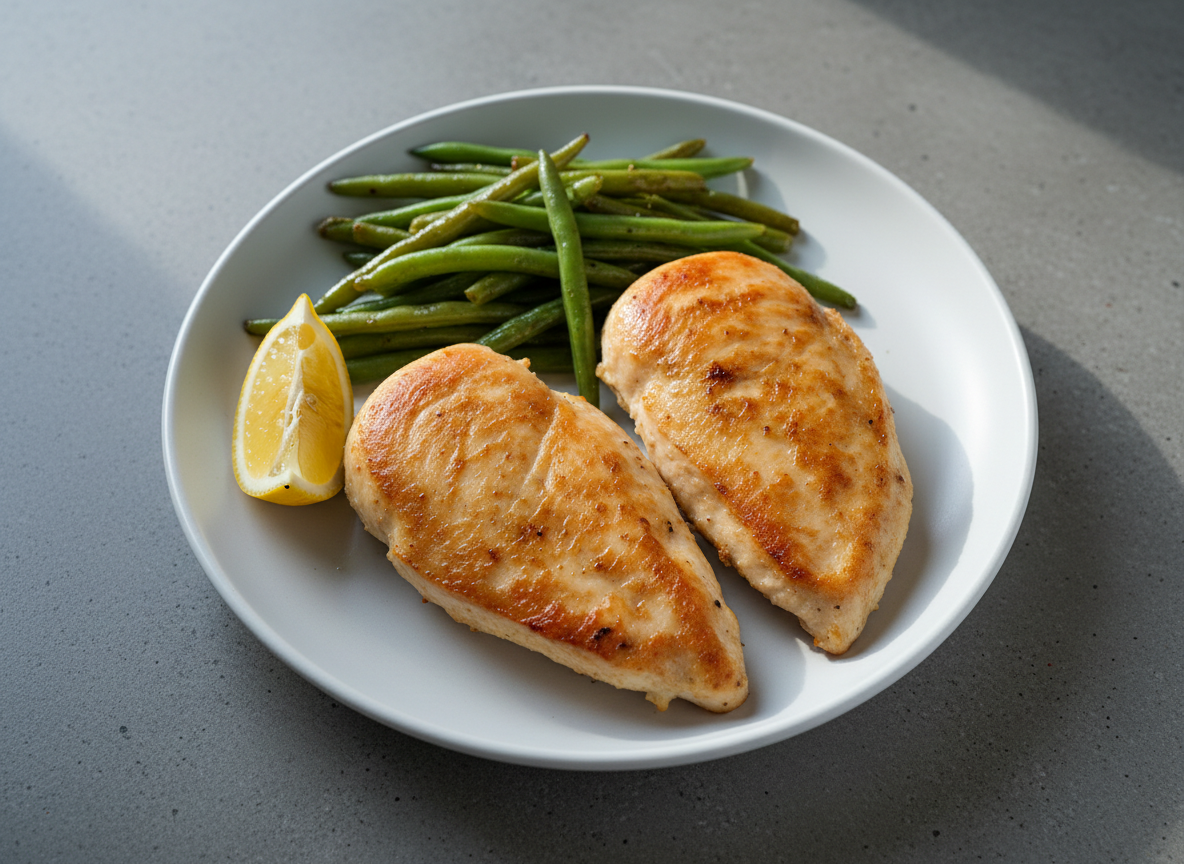
Lean cutting chicken cutlets
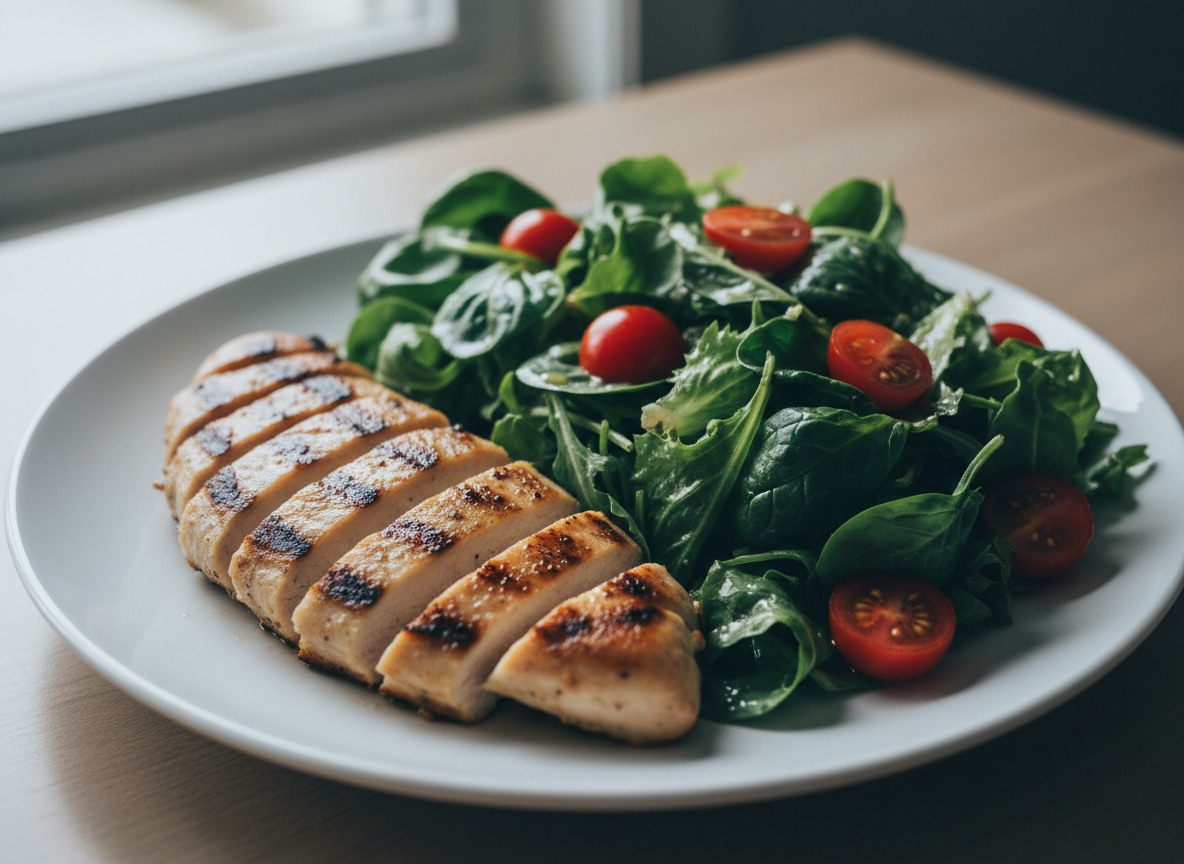
Grilled chicken and a big salad
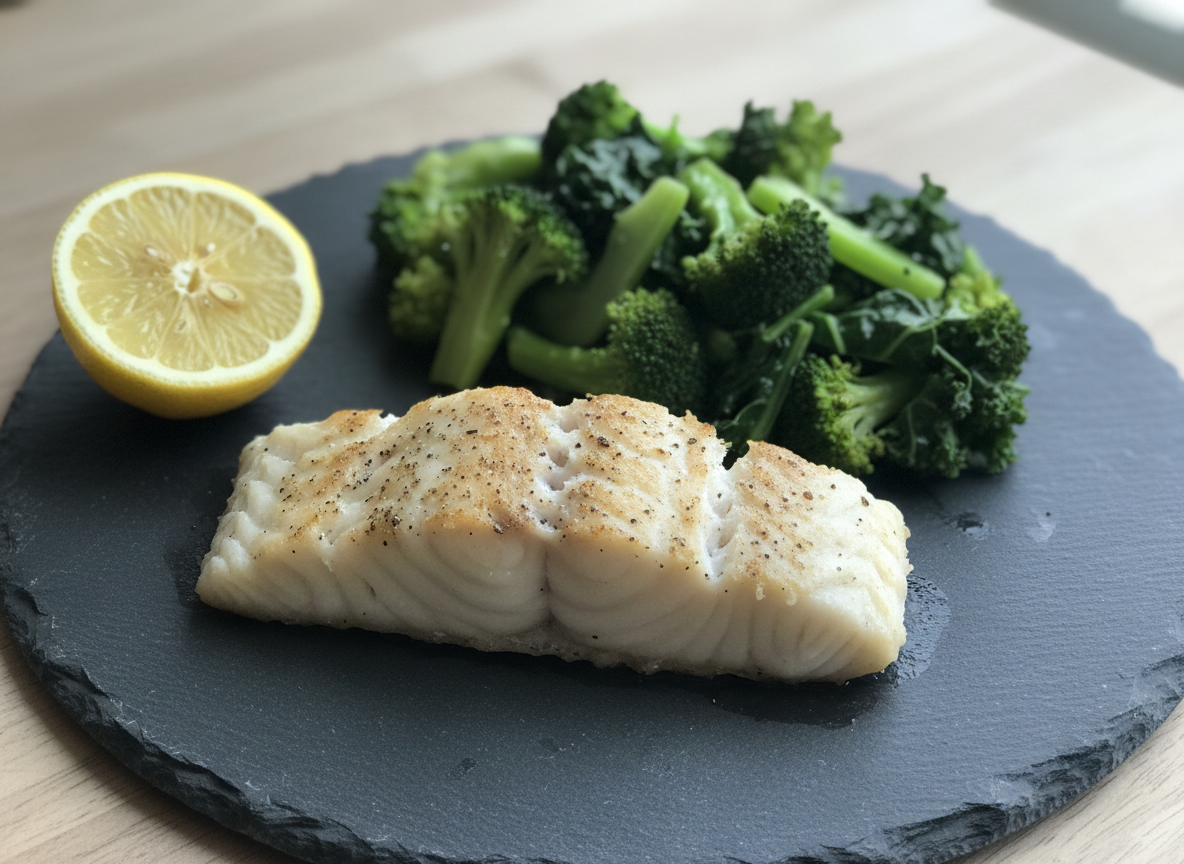
Baked cod and greens
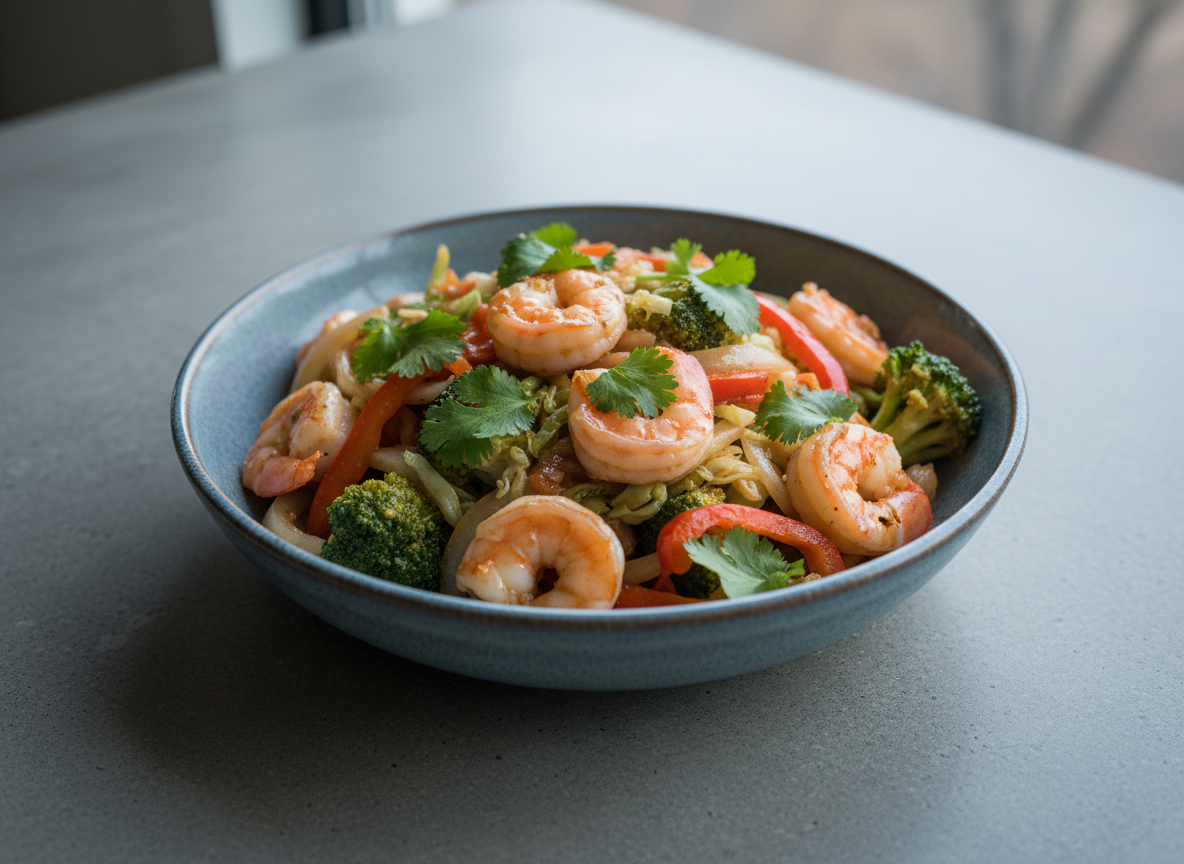
Shrimp and vegetable stir-fry
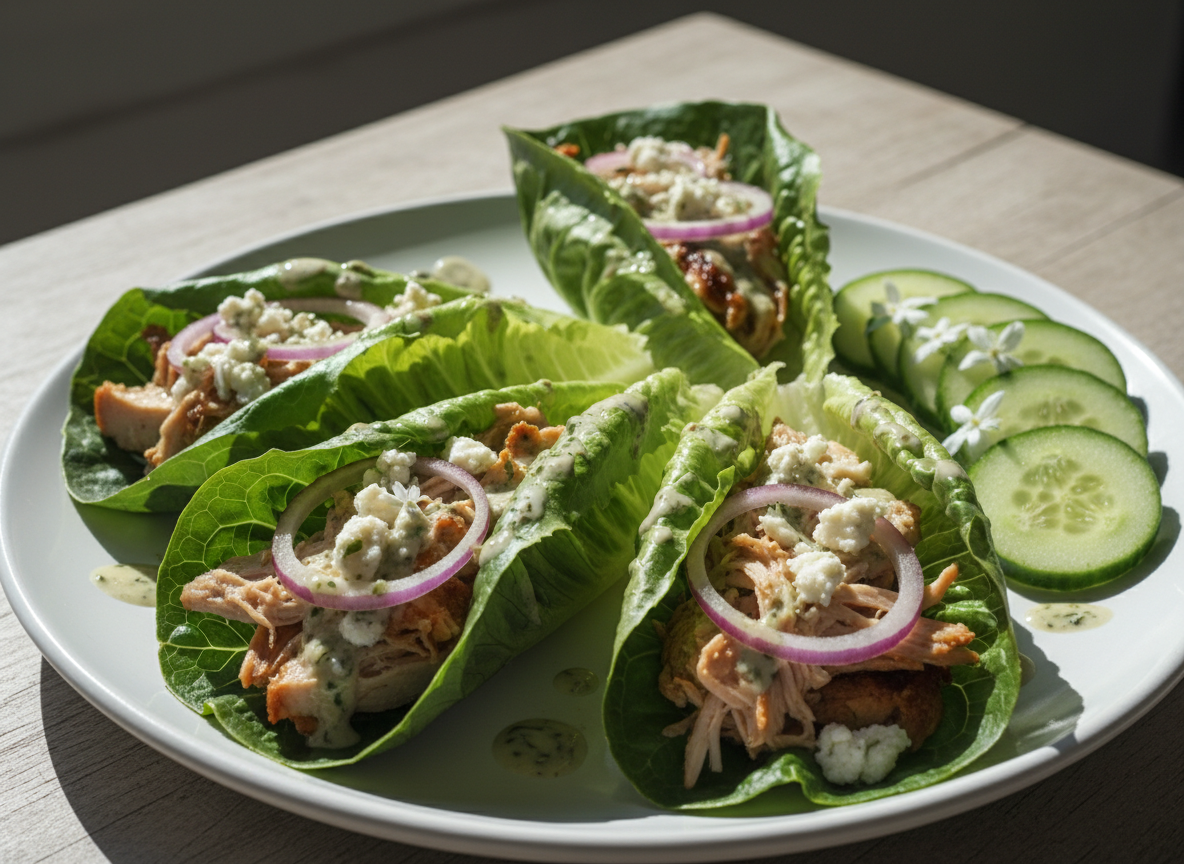
Turkey lettuce wraps
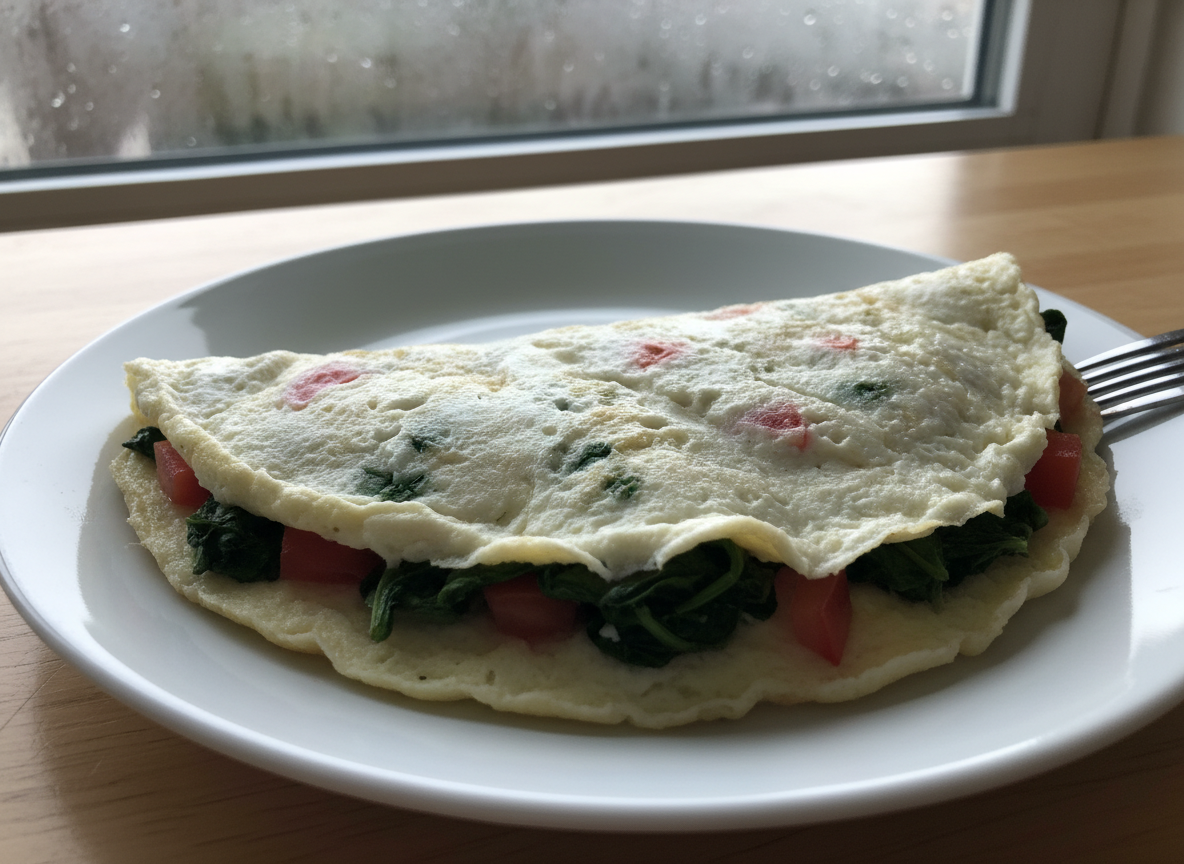
Egg-white spinach omelette
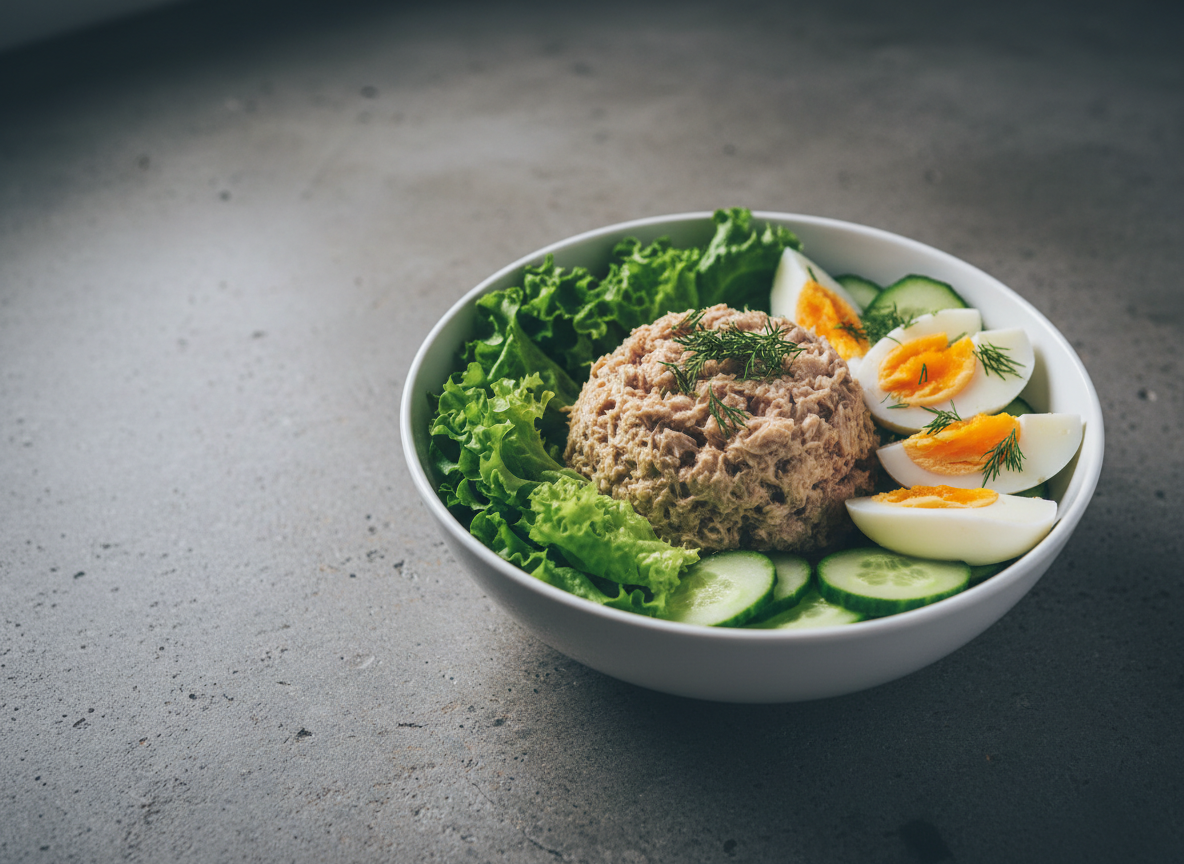
Tuna salad bowl
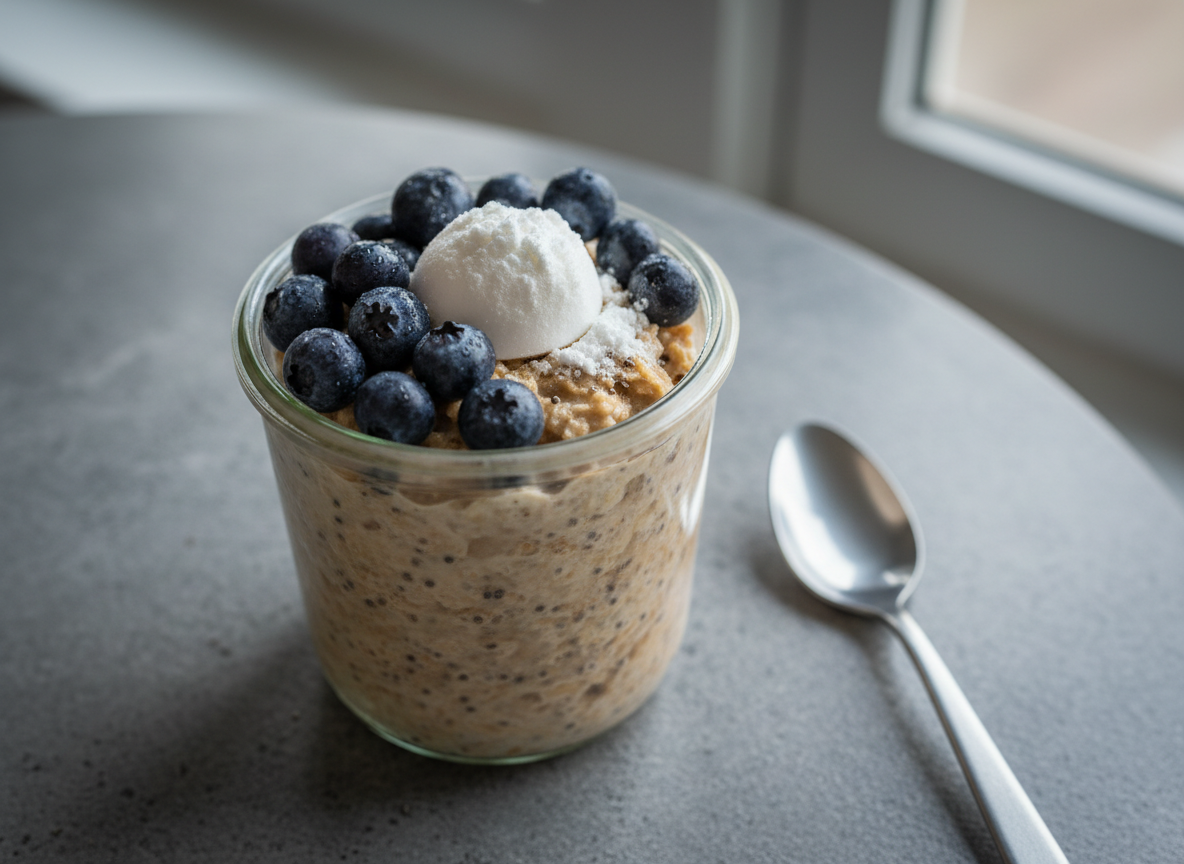
Casein-loaded overnight oats
How I’d have you eat to cut.
02 / The principlesA modest deficit, not a crash
Sit a few hundred calories under maintenance and let the fat come off steadily. Crash diets cost you muscle and strength, and you only end up rebuilding what you burned. Patient beats drastic every time.
Protein stays high — this is the rule
When calories drop, protein matters more, not less. Keep it at a gram per pound or above so your body holds onto the muscle and burns the fat instead. It’s the single thing that makes a cut work.
Volume food keeps you full
Lean meat, vegetables, and high-volume carbs fill the plate and your stomach for very few calories. A full plate is a cut you can actually stick to. Hungry diets get abandoned.
No bad foods, no guilt
Nothing is off-limits and nothing is a sin — we’re just being smart with the numbers for a while. Plan in the food you love so the cut is something you can live with, not endure.
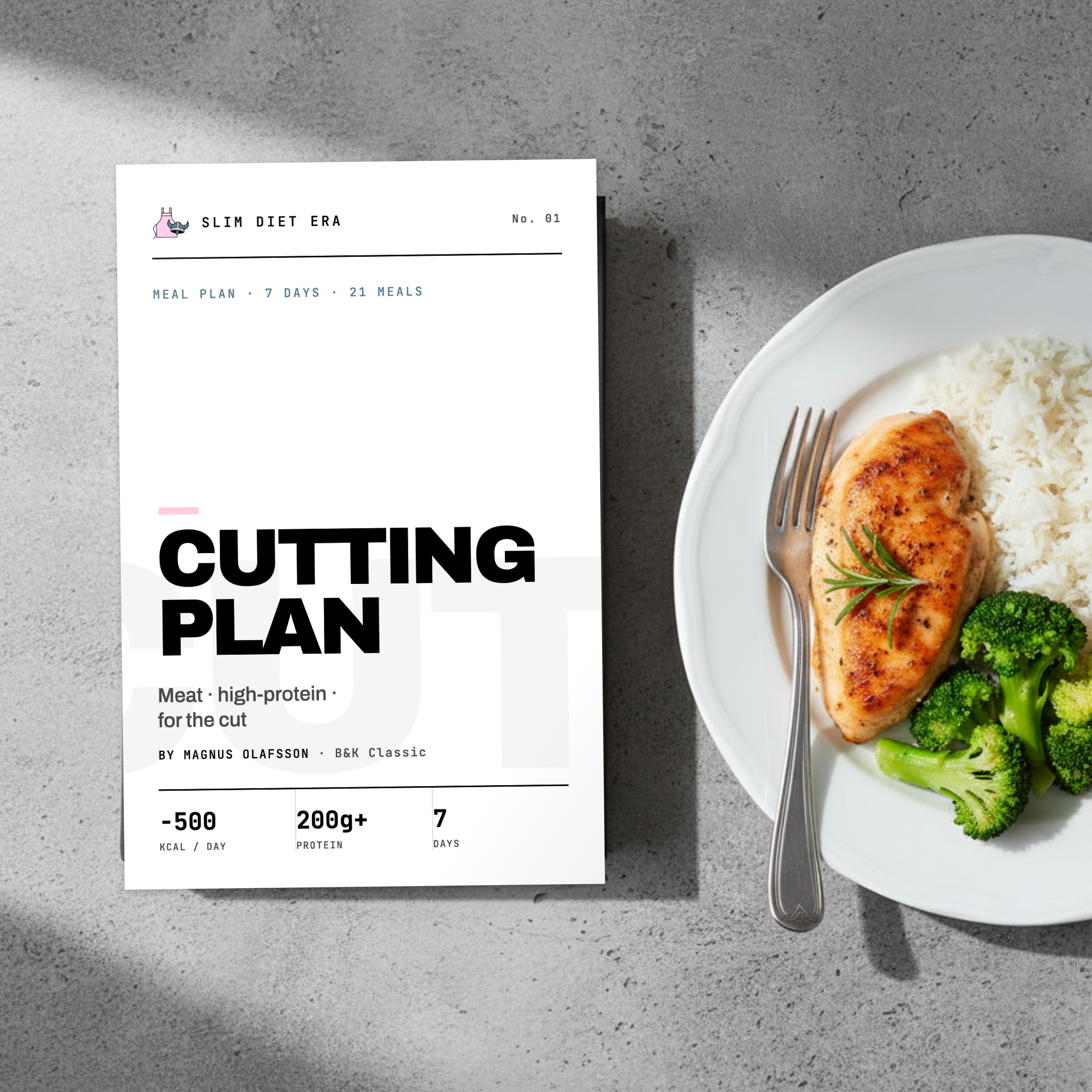 Cutting plan · macros counted
Don’t want to count? Let me build your cut.
Seven days of lean meals, the deficit set just right, every macro counted, and the grocery list already written. Big-volume food that keeps you full while the fat comes off. Start free if you want to taste it first.
Cutting, answered.
04 / FAQHow big a deficit should I run to cut?
A few hundred calories under your maintenance is the sweet spot for most people — fast enough to see the scale move, gentle enough to keep your muscle and your sanity. Aggressive deficits look efficient on paper and then cost you strength, sleep and adherence. Find your maintenance with the calculator, then sit a little below it.
How do I keep my muscle while cutting?
Two things, mostly: keep your protein high — a gram per pound or more — and keep lifting heavy. The deficit tells your body to use fat for fuel; the protein and the training tell it to keep the muscle. Drop either and you’ll lose size along with the fat. Every recipe here is built protein-first for exactly that reason.
How do I stop feeling hungry on a cut?
Eat more food, not less — just food that’s lighter on calories. Lean protein, vegetables and high-volume carbs fill your plate and your stomach for very little. A bowl you can actually finish beats a tiny portion you’ll resent by the afternoon. That’s why these plates are built big.
Do these recipes work if I’m on TRT or a cycle?
They do. Enhanced or natural, a cut is still a deficit with the protein kept high — the food doesn’t change. I cook and I count; I never touch dosing, sourcing, or anything medical. That’s between you and your doctor. The plate is my job, and I’ll keep it honest.