Category: Cutting

  • Prawn and Egg-White Cauli Fried Rice

    Prawn and Egg-White Cauli Fried Rice

    Recipe · Cutting / Seafood / High-protein

    Prawn and Egg-White Cauli Fried Rice

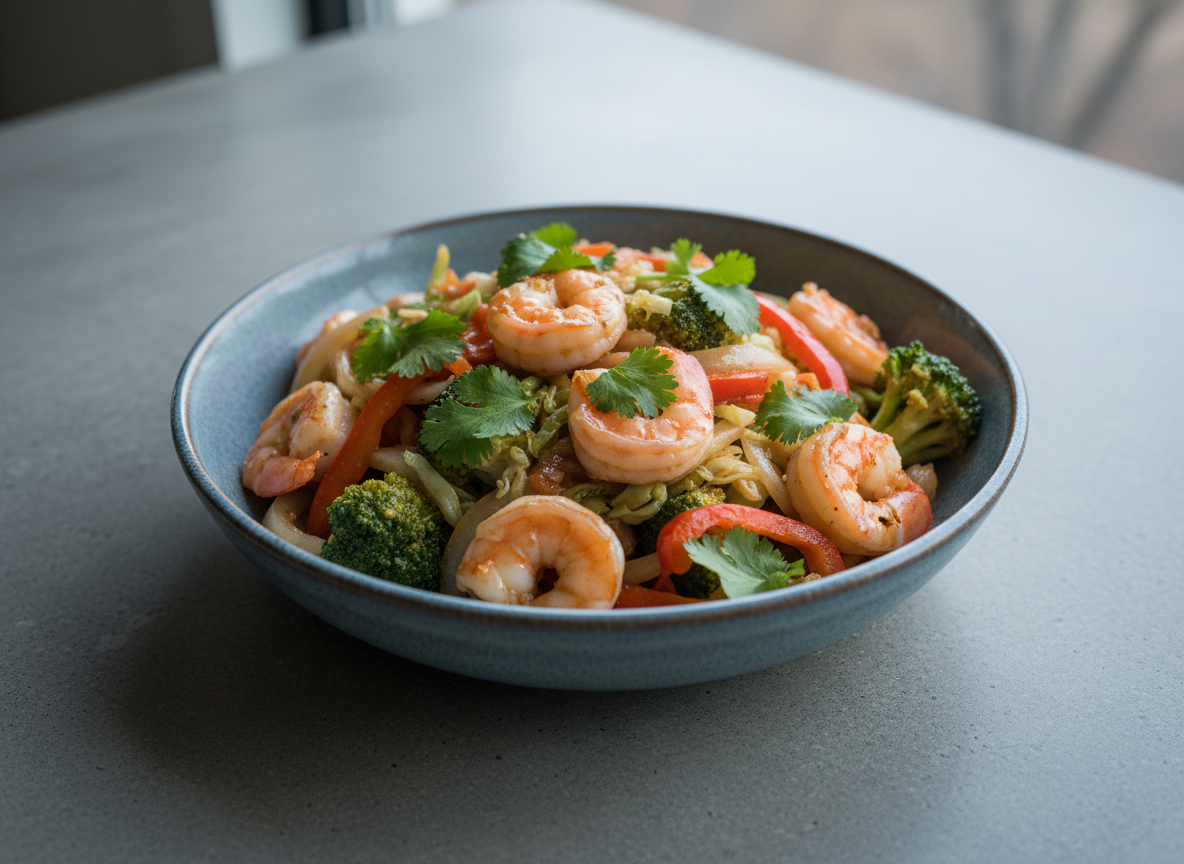
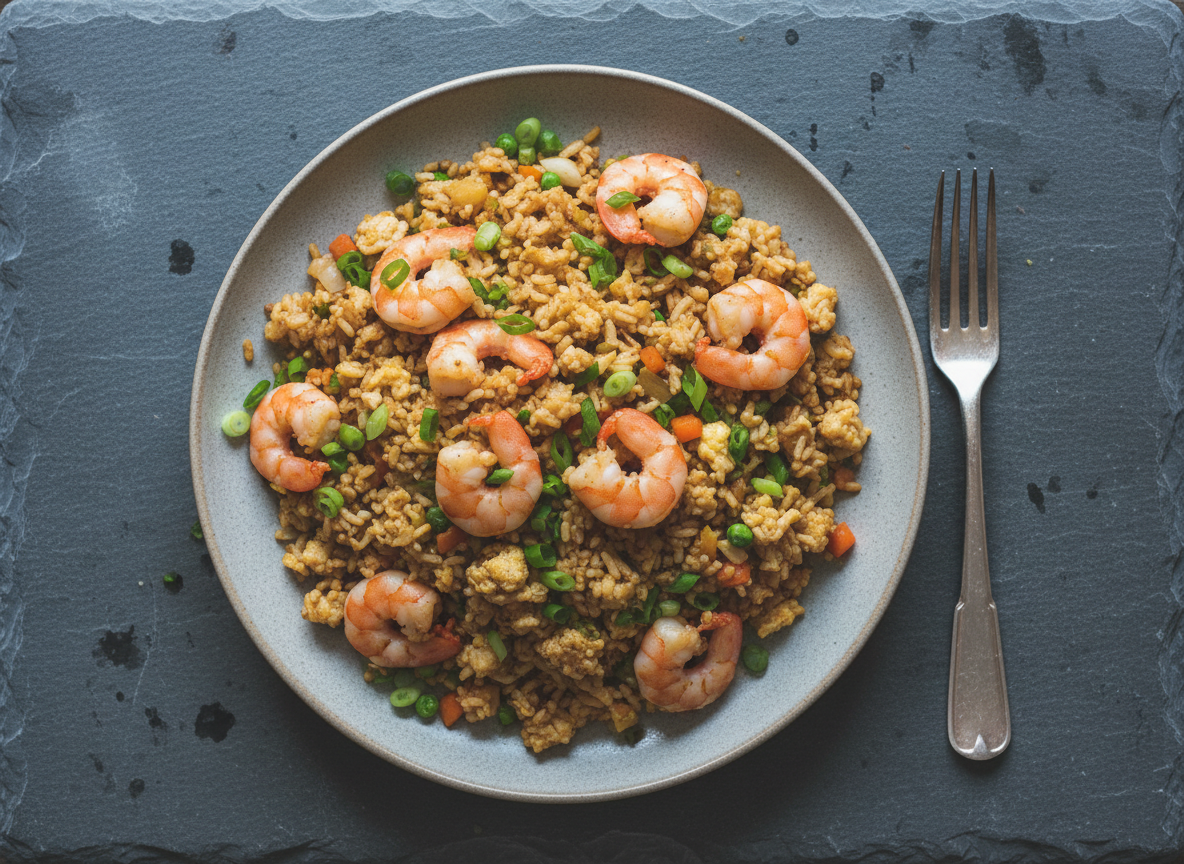
    Cauliflower rice fried hot and fast with sweet prawns, fluffy egg whites, peas and a hit of garlic and ginger. It scratches the takeaway itch without the heavy lump in your gut, and the whole bowl lands at 360 calories with 42 grams of protein. Twenty minutes, one pan, real food.
    GoalCut
    Total time20 min
    Servings1 big bowl
    Protein / serving42 g
    Calories / serving360 kcal
    Cauliflower fried rice with pink prawns, egg whites, peas and spring onion in a bowl under cold light Plate 01 / Finished

    There’s a little takeaway two streets from my old flat, and for years their egg fried rice was my reward to myself on a Friday. Then I’d go and sit on the bus home holding a hot foil tub like it was a sleeping cat, and by the time I got in I’d eaten the lot and felt about nine hundred calories heavier and a bit ashamed of how fast it went. Fried rice does that. It’s soft, it’s salty, it disappears, and somehow you’re still looking for more.

    When I started cutting properly for shows, that tub became a problem. Not because it’s wicked food — it isn’t — but because one portion ate half my day’s calories and left me hungry an hour later. So I missed it. Genuinely missed it. I’d stand in my kitchen on a Friday night feeling sorry for myself like a great bald toddler.

    This is the version I built so I’d stop sulking. Cauliflower rice in place of the white rice, prawns and egg whites doing the protein, peas and spring onion and a proper hit of garlic and ginger so it actually tastes of something. It is not pretending to be the takeaway — nothing pretends to be the takeaway — but it scratches the exact same itch. Hot, savoury, a big satisfying bowl you eat with a spoon. And it lands light enough that I can have it and still sleep fine. I make this most weeks now. The bus tub I let go. I’ve got you.

    01Who it’s for & when to eat it

    Cauli fried rice is a brilliant lean base because it bends in every direction. The protein sits high, the calories sit low, and what you do with the rice underneath decides the whole job. Here’s how I steer it.

    On a cut

    The default bowl

    All cauliflower rice, prawns and egg whites, peas, garlic and ginger, a teaspoon of sesame oil to finish. Huge volume, low calories — exactly what you want when you’re hungry but the day’s nearly spent. My go-to evening cut meal.

    On a bulk

    Build it up

    The same prawns and aromatics over real jasmine rice, with whole eggs instead of whites and a proper glug of sesame oil. Easy clean calories that go down without the bloat. Numbers are in the variations below.

    On TRT

    Steady fuel

    Half cauliflower rice, half jasmine, a whole egg folded through for the fats. Light on digestion for an evening, keeps you full, nothing overshot.

    Timing: this is a fast, light-on-the-gut bowl, so it’s lovely after evening training when you don’t want to lie down full. It also reheats decently if you’re careful, though prawns are always happiest fresh from the pan.

    02Ingredients

    Makes 1 big bowl — one generous serving. Doubling for two? Fry the cauli rice in two batches so the pan stays screaming hot and it crisps rather than steams.

    Servings 1 · adjust on the live recipe card
    • Raw prawns, peeled tails off150 g · 5.3 oz
    • Cauliflower rice fresh or frozen200 g · 7 oz
    • Egg whites120 g · 4 large
    • Frozen peas50 g · 1.8 oz
    • Garlic, finely grated2 cloves
    • Fresh ginger, grated1 tsp
    • Spring onion, sliced2 stalks
    • Light soy sauce1 tbsp · 15 ml
    • Toasted sesame oil1 tsp · 5 ml
    • White pepperto taste

    Swaps I actually use: want a bulk bowl? Swap the cauliflower rice for real jasmine rice and the calories climb fast in a good way. No prawns? Diced chicken breast works the same — just give it a couple more minutes to cook through. Egg whites feeling too lean? Use two whole eggs instead; you trade a little protein for a richer bowl and a few more fats. A pinch of chilli flakes or a dash of fish sauce both add savour for almost no calories.

    03Step by step

    Dry everything

    Pat the prawns and cauli rice properly dry

    If the prawns are frozen, thaw them fully and pat them bone dry with paper towel. Do the same with the cauliflower rice — squeeze frozen cauli rice in a clean cloth, or spread fresh out for a minute. Cauliflower is mostly water, and wet rice in a pan gives you mush, not fried rice.

    Magnus says: dry the cauli like you mean it. Wet rice in equals soggy rice out.

    Cauliflower rice being squeezed dry in a clean cloth beside patted prawns
    Scramble the whites

    Cook the egg whites first, then set aside

    Get a wide pan hot over medium with the lightest film of oil. Pour in the egg whites and scramble them quickly into soft curds — 30 to 40 seconds. Tip them straight back out onto a plate. You want them just set, not browned; they’ll go back in at the end.

    Egg whites scrambling into soft white curds in a hot pan
    Sear the prawns

    Two to three minutes, no more

    Turn the heat up to medium-high. Add the prawns in a single layer and sear for about 90 seconds a side, until they turn pink and curl into a loose C. The moment they’re opaque through, lift them out and rest them with the eggs. Overcook them and they tighten to rubber.

    Magnus says: a tight little O means overdone. Pull them at the loose C.

    Prawns searing pink in a hot pan
    Bloom the aromatics

    Garlic and ginger, quick and fragrant

    Same pan, still hot. Add the grated garlic and ginger and stir for about 20 seconds until fragrant — keep them moving so they don’t catch and turn bitter. This is where the bowl gets its backbone, so don’t rush past it, but don’t let it burn either.

    Grated garlic and ginger sizzling in a hot pan
    Fry the cauli rice HOT

    Get the pan screaming and don’t crowd it

    Tip in the dried cauliflower rice and spread it out across the hottest pan you can manage. Leave it a moment to catch before you stir, then keep it moving for 3 to 4 minutes. You want it tender with a few golden edges, not a wet grey heap. High heat is the whole secret here.

    Magnus says: hot and spread out, not warm and piled up. That’s the line between fried and steamed.

    Cauliflower rice frying with golden edges in a screaming hot pan
    Bring it together

    Peas, egg, soy — then finish

    Add the peas and the light soy and toss for a minute until the peas are hot through. Fold the egg whites and prawns back in to warm, then kill the heat. Drizzle over the sesame oil, scatter the spring onion, season with white pepper, and serve it straight from the pan.

    Finished prawn and egg-white cauli fried rice tossed with peas and spring onion

    04The spec sheet

    Real numbers, calculated — not guessed. This makes one big bowl, about 380g of cooked food. Here’s what the whole serving and a flat 100g actually give you.

    Macros — per serving & per 100g
    NutrientPer servingPer 100g
    Energy360 kcal95 kcal
    Protein42.0 g11.1 g
    Carbohydrate18.0 g4.7 g
    — of which sugars6.0 g1.6 g
    Fat12.0 g3.2 g
    — of which saturates2.0 g0.5 g
    Fibre6.0 g1.6 g
    Sodium~0.9 g~0.24 g
    Calorie density
    95 kcal / 100g

    Very low. Cauliflower and prawns are mostly water and protein, so you get a genuinely large bowl for the calories — volume is your best friend on a cut, and this delivers it.

    Protein per 100 kcal
    11.7 g / 100 kcal

    A lifter’s metric. A big share of these calories is protein, exactly what you want when you’re holding muscle while the scale comes down.

    Key micros (per serving, approx.)
    • Selenium~50 µg · 91% DV
    • Vitamin C~95 mg · 106% DV
    • Vitamin B12~1.3 µg · 54% DV
    • Vitamin K~30 µg · 25% DV
    • Iodine~45 µg · 30% DV
    • Folate~80 µg · 20% DV

    Macros are calculated from standard food-composition data and will shift a little with your exact ingredients and brands. Micronutrient figures are estimates against general adult Daily Values. Numbers are for guidance, not medical advice — see our Nutrition Disclaimer.

    05Bulk / Cut / TRT variations

    One base, three jobs. The prawns and aromatics stay the same — you adjust the rice and fat around them. Macros below are for a full serving.

    Cut

    The lean default

    All cauliflower rice, egg whites, a single teaspoon of sesame oil to finish. Heavy on garlic, ginger and spring onion for flavour. Maximum volume, minimum calories — this is the bowl I live on before a shoot.

    360Kcal
    42G Protein
    12G Fat
    Bulk

    Build it up

    Same prawns over 180g cooked jasmine rice instead of cauli, with two whole eggs and a full tablespoon of sesame oil. Clean, easy calories that go down without bloat — great for getting food in when appetite’s low.

    660Kcal
    47G Protein
    20G Fat
    TRT

    Steady & balanced

    Half cauliflower rice, half jasmine rice, with one whole egg folded through for the fats. Moderate carbs, healthy fats, lean protein — full and satisfied without overshooting your day.

    500Kcal
    44G Protein
    16G Fat

    06Meal prep & storage

    This one actually preps well — cauli fried rice reheats far better than most low-carb swaps, since there’s no real rice to go hard in the fridge. I’ll cook a couple of bowls’ worth at once and keep prawns in mind for the reheat.

    Fridge
    2 days

    Store the cooked bowl in an airtight container. Cooked prawns don’t keep as long as meat, so eat within two days for the best of it.

    Freezer
    Not ideal

    The cauli rice and egg freeze passably, but the prawns turn watery and tough on thawing. If you’re freezing, leave the prawns out and add fresh ones at the reheat.

    Reheat
    2 min

    A hot pan beats the microwave here — it drives off any water the cauli has given up. Get it just hot through; don’t push the prawns or they go rubbery.

    If you’re prepping for the week, my honest advice is to cook the cauli rice, egg and veg base ahead and keep raw prawns portioned in the freezer. Three minutes in a hot pan for the prawns, fold them through the reheated base, and dinner’s done — barely more effort than reheating, and the prawns taste ten times better.

    Free · the 7-day “Get Fed” plan

    Want a whole week built around food like this?

    Drop your email and I’ll send you my free 7-day plan — meals, macros already counted, grocery list written. No spam, no lectures.

    No spam. Unsubscribe whenever. See what’s in the plan →

    07Common questions

    How do I stop the cauli rice going soggy? +

    Two things. First, get the water out before it hits the pan — squeeze frozen cauli rice in a cloth, or spread fresh out for a minute to dry. Second, fry it on the highest heat you’ve got and don’t pile it up. A crowded pan steams; a hot, spread-out pan fries. That’s the whole game.

    Fresh or frozen cauliflower rice? +

    Both work, and frozen is honestly more convenient. The only catch with frozen is the extra water, so thaw it and squeeze it hard before frying. Fresh cauli rice has less water but still benefits from a quick dry. Whichever you use, the hot pan does the heavy lifting.

    Can I just use real rice? +

    Of course — and if you’re bulking, you should. Swap the cauliflower rice for 180g of cooked jasmine rice, add two whole eggs and a full tablespoon of sesame oil, and the bowl climbs from around 360 to roughly 660 calories with 47g protein. Day-old cold rice fries best of all. See the Bulk variation above for the full numbers.

    Can I use chicken instead of prawns? +

    Yes, diced chicken breast works a treat. Cook it through first — about 5 minutes over medium-high until no pink remains — then set it aside the same way you would the prawns and fold it back in at the end. The macros stay close; chicken breast is just as lean as prawns for this bowl.

    Can I make this without eggs? +

    You can, though you’ll lose a chunk of the protein and some of the texture. To make it up, bump the prawns to around 200g, or stir in a handful of edamame with the peas. The egg whites are doing real work here, so I’d keep them if you can — but the bowl still stands without them.

    From my 7-day Cut plan

    This bowl lives inside a full week of meals.

    This cauli fried rice is one dinner in my 7-day cutting plan — seven days of high-protein, low-calorie meals with the macros counted and the grocery list written. You pick the goal; I do the maths.

    See the cutting meal plan
    Prawn and egg-white cauli fried rice portioned as part of a cutting meal plan under cold light

    08Pairs well with

    Browse all recipes →

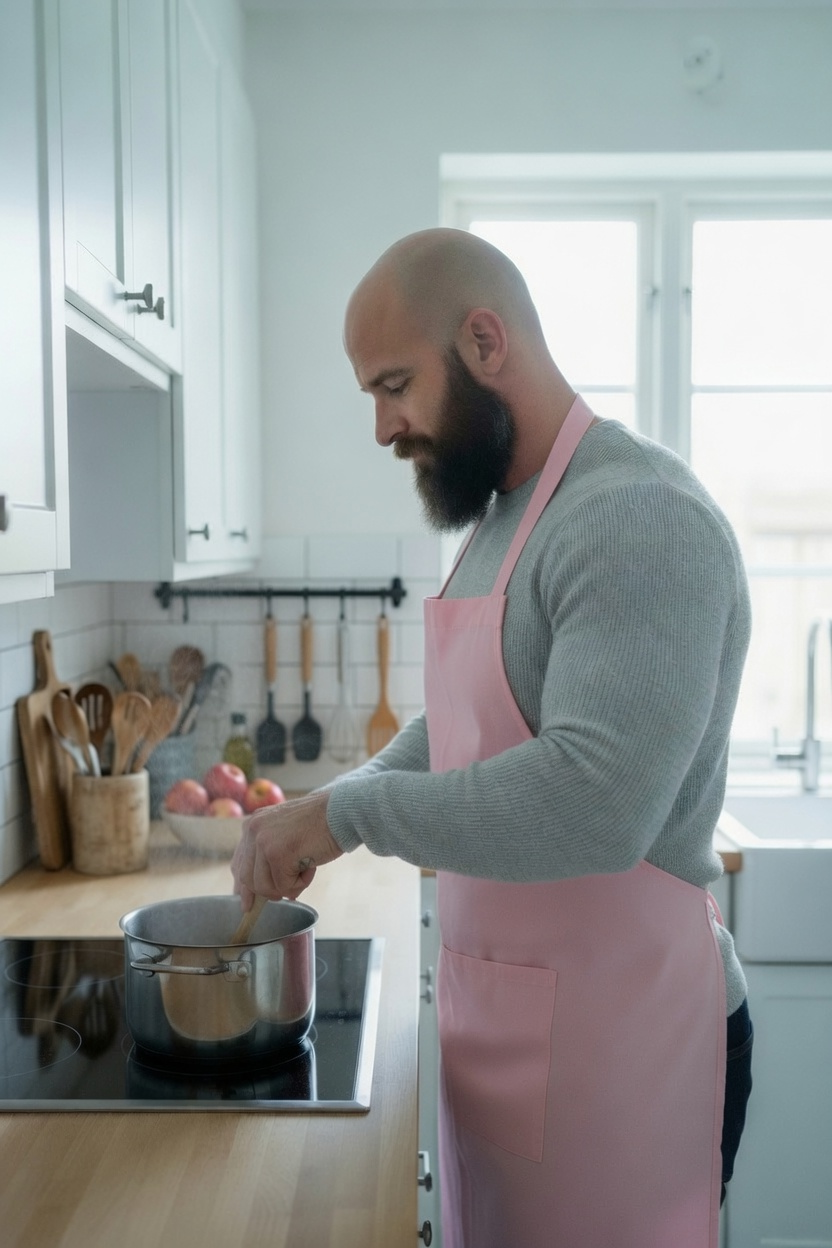
    Magnus Olafsson in his kitchen — bald, bearded and broad, in his pink apron, under cold light
    About the author

    Magnus Olafsson

    I’m Magnus — twenty years under the iron, from a cold gym in Stockholm to the classic-physique stage, and now mostly in my kitchen in a pink apron. I’ve cut for shows, bulked through winters, and I’ve been on TRT since I was thirty-five. I know what it takes to eat for the body you’re chasing, and I know it shouldn’t come with a side of shame.

    Everything here is food I actually cook and macros I actually count. I don’t diagnose, I don’t promise, and I never make a number up. I just feed you well and tell you the truth.

    NPC Illinois NPC Classic Physique On TRT since 35 20 years training

    Slim Diet Era shares recipes and general nutrition information. It is not medical or dietetic advice, and we do not provide guidance on obtaining or using any controlled substance. See our Medical Disclaimer and Nutrition Disclaimer.
  • Zucchini-Noodle Chicken Alfredo

    Zucchini-Noodle Chicken Alfredo

    Recipe · Cutting / Chicken / High-protein

    Zucchini-Noodle Chicken Alfredo

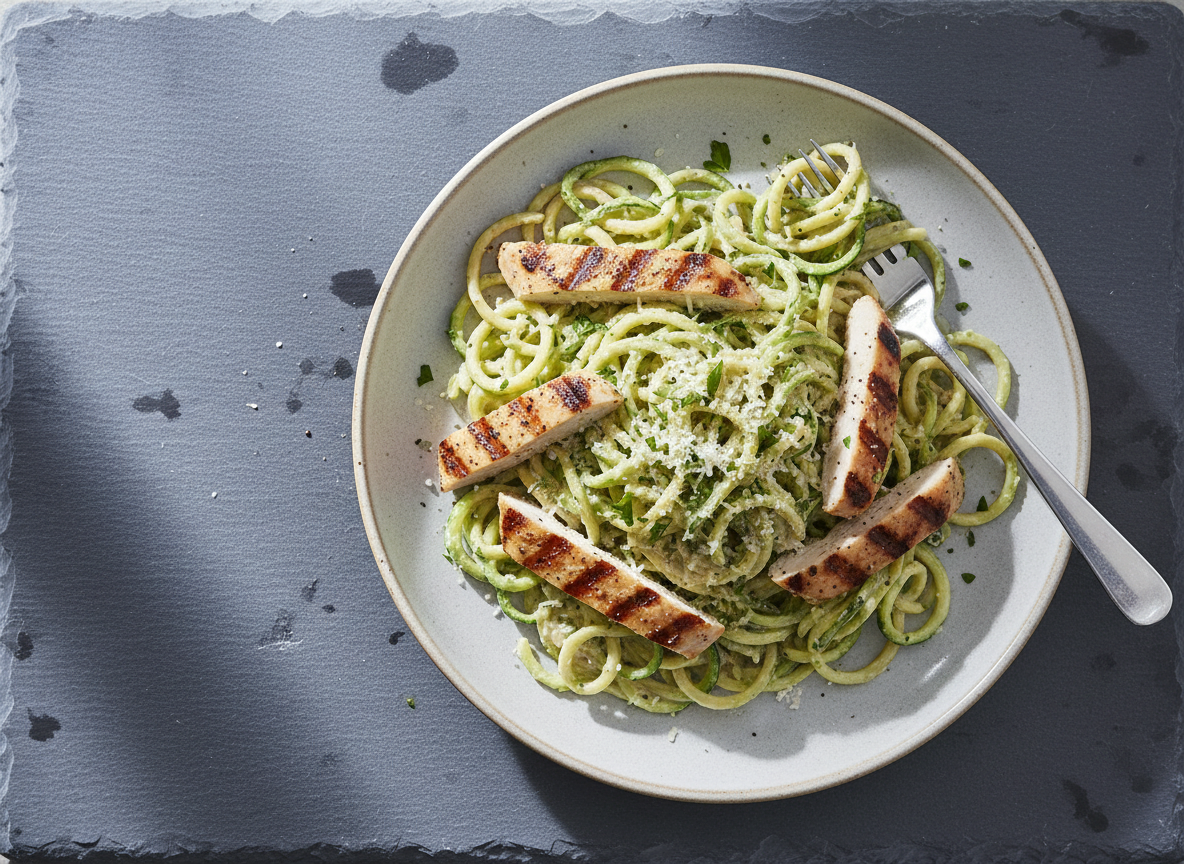
    Ribbons of zucchini standing in for pasta, sliced chicken breast, and a creamy “alfredo” built from blended cottage cheese and parmesan instead of cream. The whole plate lands around 380 calories with 45 grams of protein, and it cooks in about 25 minutes. It’s the meal I make when I want creamy pasta and a number I can live with.

    GoalCut
    Total time25 min
    Servings1 big plate
    Protein / serving45 g
    Calories / serving380 kcal
    Zucchini noodles tossed in creamy alfredo with sliced chicken breast on a plate under cold light Plate 01 / Finished

    There was a stretch of cut a few winters back where all I wanted was creamy pasta. Not steak, not eggs, not another grilled chicken breast staring up at me like a punishment. Pasta. The white, heavy, comforting kind you eat under a blanket. And the numbers on real alfredo are brutal on a cut — a plate of it can run you a thousand calories before you’ve put a fork in. So I stood in my kitchen, hungry and a bit grumpy, and tried to work out how to get the feeling without the bill.

    The trick turned out to be cottage cheese. Blend it smooth with a little parmesan and garlic and it goes silky and creamy, almost exactly like a thinned alfredo, for a fraction of the fat. Swap the pasta for zucchini noodles and you’ve got a real plate of food that tastes rich and lands light. The first time I made it I genuinely sat back surprised. It scratched the itch. It still does.

    I make this when the cut is dragging and I want something that feels like a treat without being one. Twenty-five minutes, one blender and one pan, real chicken and real cheese. The sauce is the whole point — get it warm and smooth and it carries the dish. There’s a knack to the zoodles too, which I’ll walk you through, because nobody wants a watery plate. Cook it once and you’ll keep it in the rotation. I’ve got you.

    01Who it’s for & when to eat it

    Chicken and a high-protein sauce are a brilliant lean base because the creamy comfort is doing the heavy lifting, not the calories. The protein is high, the fat is controlled, and what you put the sauce on decides the job. Here’s how I steer it.

    On a cut

    The default plate

    Sliced chicken and the cottage-cheese alfredo over zucchini noodles, parmesan grated on top. Big creamy plate, low calories — exactly what you want when the cravings hit but the day’s calories are nearly gone. My go-to comfort cut meal.

    On a bulk

    Build it up

    Same chicken and sauce over a bowl of real spaghetti, with extra parmesan stirred through. Easy clean calories and a properly hearty plate. Numbers are in the variations below.

    On TRT

    Steady fuel

    Half pasta and half zoodles, a drizzle of olive oil for the fats, the same lean chicken. Comforting and filling for an evening, without overshooting the day.

    Timing: this is a satisfying, creamy-feeling plate that stays light on the gut, so it’s lovely on an evening when you want comfort food without lying down stuffed. The sauce and chicken reheat well; the zoodles are always best fresh, which I’ll get to.

    02Ingredients

    Makes 1 big plate — one generous serving. Doubling for two? Blend the sauce in one go, but salt and drain the zucchini in a larger batch so it doesn’t crowd.

    Servings 1 · adjust on the live recipe card
    • Chicken breast, skinless150 g · 5.3 oz
    • Zucchini courgette, spiralized250 g · 8.8 oz (about 1 large)
    • Cottage cheese, low-fat120 g · 4.2 oz
    • Parmesan, finely grated20 g · 0.7 oz
    • Garlic, finely grated2 cloves
    • Olive oil2 tsp · 10 ml
    • Lemon, juice of optional¼ lemon
    • Fresh parsley, chopped1 tbsp
    • Black pepperto taste
    • Saltto taste (go light — parmesan is salty)

    Swaps I actually use: no spiralizer? A julienne peeler works, or grab a bag of pre-cut zoodles. Want it as a bulk plate? Run the sauce and chicken over real spaghetti instead of the zucchini — see the variations below. No cottage cheese? Thick Greek yoghurt blends just as smooth; it’s a touch tangier, which I rather like, and a squeeze of lemon plays off it well. A pinch of nutmeg makes it taste even more like the real thing.

    03Step by step

    Prep the zoodles

    Spiralize, salt, and let them weep

    Spiralize the zucchini into noodles. Tip them into a colander, scatter over a good pinch of salt, and leave them for 10 minutes. Zucchini holds a lot of water — the salt draws it out so your plate doesn’t go soupy later. Squeeze and pat them properly dry before they go anywhere near the pan.

    Magnus says: salt them, wait, then pat them dry like you mean it. Wet zoodles are watery zoodles.

    Spiralized zucchini noodles draining in a colander with a scatter of salt
    Cook the chicken

    Sear it through, then slice

    Season the chicken breast with salt and pepper. Heat a teaspoon of the oil in a pan over medium-high and cook the chicken for about 5 to 6 minutes a side, until golden and cooked through. Rest it for a couple of minutes, then slice it across the grain into strips.

    Golden seared chicken breast resting before being sliced
    Blend the sauce

    Cottage cheese into silk

    Put the cottage cheese, most of the parmesan, the grated garlic and a splash of water into a blender or a tall jug, and blitz until completely smooth. It’ll go glossy and creamy, almost like a thinned alfredo. Season with pepper and a little lemon if you’re using it.

    Magnus says: blend it properly. The whole creamy effect lives or dies on getting it smooth.

    Blended cottage cheese alfredo sauce being poured smooth and glossy
    Warm the sauce

    Low heat, no boiling

    Pour the blended sauce into the warm pan over low heat and stir gently until it’s just hot through. Keep it low — a dairy sauce like this will split and go grainy if you boil it. You want warm and smooth, not bubbling. Stir in the rest of the parmesan off the heat.

    Magnus says: gentle does it. Boil this sauce and it curdles. Low heat, patient stirring.

    Creamy alfredo sauce being warmed gently and stirred in a low pan
    Toss the zoodles

    Quick and hot, so they stay firm

    Add the dried zoodles to the pan with the remaining teaspoon of oil and toss for just 1 to 2 minutes over a higher heat — long enough to warm and soften slightly, no longer. Overcook them and they collapse and leak water into your sauce. Keep them with a bit of bite.

    Zucchini noodles being tossed quickly in a hot pan
    Bring it together

    Sauce, chicken, plate it straight away

    Fold the warm sauce through the zoodles to coat them, lay the sliced chicken on top, and scatter over the parsley and a last grate of parmesan. Plate it immediately — zoodles keep releasing water as they sit, so a fresh plate is a firm plate.

    Zucchini noodle alfredo plated with sliced chicken and parsley on top

    04The spec sheet

    Real numbers, calculated — not guessed. This makes one big plate, about 330g of finished food. Here’s what the whole serving and a flat 100g actually give you.

    Macros — per serving & per 100g
    NutrientPer servingPer 100g
    Energy380 kcal115 kcal
    Protein45.0 g13.6 g
    Carbohydrate14.0 g4.2 g
    — of which sugars8.0 g2.4 g
    Fat14.0 g4.2 g
    — of which saturates5.0 g1.5 g
    Fibre4.0 g1.2 g
    Sodium~0.65 g~0.20 g
    Calorie density
    115 kcal / 100g

    Low. Zucchini is mostly water, and the cottage-cheese sauce carries the creaminess without the fat of real alfredo, so you get a genuinely big plate for the calories — volume on a cut, exactly as it should be.

    Protein per 100 kcal
    11.8 g / 100 kcal

    A lifter’s metric. A big share of these calories is protein, between the chicken and the dairy — what you want when you’re holding muscle while the scale comes down.

    Key micros (per serving, approx.)
    • Niacin (B3)~14 mg · 88% DV
    • Vitamin B6~1.0 mg · 59% DV
    • Selenium~35 µg · 64% DV
    • Phosphorus~420 mg · 60% DV
    • Calcium~280 mg · 28% DV
    • Vitamin C~30 mg · 33% DV

    Macros are calculated from standard food-composition data and will shift a little with your exact ingredients and brands. Micronutrient figures are estimates against general adult Daily Values. Numbers are for guidance, not medical advice — see our Nutrition Disclaimer.

    05Bulk / Cut / TRT variations

    One base, three jobs. The chicken and the cottage-cheese sauce stay the same — you adjust what you put it on. Macros below are for a full serving.

    Cut

    The lean default

    Chicken and sauce over zucchini noodles, two teaspoons of oil, parmesan grated on top. No pasta. Maximum volume, minimum calories — this is the version I live on when I’m chasing a creamy plate on a cut.

    380Kcal
    45G Protein
    14G Fat
    Bulk

    Build it up

    Same chicken and sauce over 100g (dry) cooked spaghetti, with extra parmesan stirred through. A proper hearty plate of pasta with the protein already high — clean calories for building.

    680Kcal
    52G Protein
    17G Fat
    TRT

    Steady & balanced

    Half real spaghetti and half zoodles, with a drizzle of olive oil for the fats. Moderate carbs, lean protein, a creamy comfort plate that keeps you full without overshooting your day.

    520Kcal
    48G Protein
    18G Fat

    06Meal prep & storage

    The sauce and chicken prep beautifully; the zoodles do not. My honest advice is to keep the components separate and combine fresh, because zucchini noodles weep water as they sit and a pre-mixed plate turns soupy by the next day.

    Sauce & chicken
    3 days

    Store the blended sauce and the cooked sliced chicken in separate airtight containers in the fridge. Both keep well for three days.

    Zoodles
    Best fresh

    Spiralize them fresh each time. They take two minutes, and pre-cut ones leak water and go limp — not worth the loss of texture.

    Reheat
    Gentle

    Warm the sauce over low heat so it doesn’t split, toss fresh zoodles through, top with the chicken. Combine on the plate, not in storage.

    If you’re prepping for the week, batch the sauce and grill a few chicken breasts ahead. Then it’s two minutes with a spiralizer and a gentle warm-through, and you’ve got a creamy plate in the time it takes to reheat a sad lunchbox — and it tastes far better.

    Free · the 7-day “Get Fed” plan

    Want a whole week built around food like this?

    Drop your email and I’ll send you my free 7-day plan — meals, macros already counted, grocery list written. No spam, no lectures.

    No spam. Unsubscribe whenever. See what’s in the plan →

    07Common questions

    How do I stop the zoodles going watery? +

    Two things. Salt them first — scatter salt over the spiralized zucchini, let it sit 10 minutes, then squeeze and pat them properly dry so the water comes out before they hit the pan, not after. Then cook them fast and briefly, one or two minutes at most. Overcooked zoodles collapse and leak. And plate the dish straight away, because they keep weeping the longer they sit.

    Can I use real pasta instead? +

    Of course — the sauce works just as well over spaghetti. That’s exactly how I make the bulk version: chicken and sauce over 100g (dry) cooked pasta with extra parmesan, which takes it from around 380 to roughly 680 calories with 52g protein. Or split the difference and do half pasta, half zoodles for a TRT-friendly middle ground. See the variations above for the numbers.

    Does it reheat well? +

    The sauce and chicken reheat fine; the assembled dish doesn’t. Keep them separate. Warm the sauce gently over low heat — never boil it, or the dairy splits and goes grainy — then toss fresh zoodles through and top with the chicken. Combine on the plate each time and it’s as good as the first.

    Why did my sauce go grainy? +

    It got too hot. A blended cottage-cheese or yoghurt sauce will split and turn grainy if you boil it. Keep the heat low and just warm it through — you want it hot and smooth, not bubbling. If it does break a little, a splash of water and a brisk stir off the heat usually pulls it back together.

    Can I make it dairy-free? +

    You can get close. Use a thick unsweetened plant-based yoghurt or a soft silken tofu blended smooth in place of the cottage cheese, and a dairy-free hard cheese for the parmesan, though the flavour and protein will shift, so the macros above won’t hold exactly. It won’t be quite the same, but blended smooth with plenty of garlic it still makes a creamy, satisfying plate.

    From my 7-day Cut plan

    This plate lives inside a full week of meals.

    This zucchini alfredo is one dinner in my 7-day cutting plan — seven days of high-protein, low-calorie meals with the macros counted and the grocery list written. You pick the goal; I do the maths.

    See the cutting meal plan
    Zucchini noodle chicken alfredo portioned as part of a cutting meal plan under cold light

    08Pairs well with

    Browse all recipes →

    Magnus Olafsson in his kitchen — bald, bearded and broad, in his pink apron, under cold light
    About the author

    Magnus Olafsson

    I’m Magnus — twenty years under the iron, from a cold gym in Stockholm to the classic-physique stage, and now mostly in my kitchen in a pink apron. I’ve cut for shows, bulked through winters, and I’ve been on TRT since I was thirty-five. I know what it takes to eat for the body you’re chasing, and I know it shouldn’t come with a side of shame.

    Everything here is food I actually cook and macros I actually count. I don’t diagnose, I don’t promise, and I never make a number up. I just feed you well and tell you the truth.

    NPC Illinois NPC Classic Physique On TRT since 35 20 years training

    Slim Diet Era shares recipes and general nutrition information. It is not medical or dietetic advice, and we do not provide guidance on obtaining or using any controlled substance. See our Medical Disclaimer and Nutrition Disclaimer.
  • Lean Turkey Chilli

    Lean Turkey Chilli

    Recipe · Cutting / One-pot / High-protein

    Lean Turkey Chilli

    One pot of lean ground turkey, kidney beans, sweet peppers and tomatoes, simmered down with proper spice until it tastes like it took all day. A bowl lands at 400 calories with 43 grams of protein, it makes a batch, and it freezes like a dream. This is the pot I make when the week is long and I want dinner sorted before it starts.

    GoalCut
    Total time40 min
    Servings4 bowls
    Protein / serving43 g
    Calories / serving400 kcal
    A bowl of lean turkey chilli with kidney beans and peppers under cold light Bowl 01 / Finished

    Stockholm in February is a serious place. The light gives up around three in the afternoon, the cold gets in under your coat no matter what you wear, and by the time I’m done training I want a hot bowl of something and I want it now — not in an hour. So one winter, years ago, I started making a big pot of chilli on a Sunday and living off it through the dark half of the week. It changed how I ate. It changed my whole mood, honestly.

    I went with ground turkey instead of beef for the simple reason that it’s lighter on the calories while still giving me a proper hit of protein, and on a cut that matters. The beans bulk it out, add fibre, and stretch a pound of meat into four real meals. The peppers and tomatoes do the rest. By the time it’s simmered down it’s thick, deep and a little smoky, and nobody at the table ever asks where the beef went.

    The thing I love most about it is that it asks almost nothing of you. Brown the meat, soften the veg, tip everything in, then walk away while it simmers. Come back to dinner for four, with three more bowls waiting in the fridge for the days you can’t be bothered. On a cold week that pot is the difference between eating well and eating sadly over the sink. Make it once and I think you’ll keep making it — I’ve got you.

    01Who it’s for & when to eat it

    Lean turkey chilli is a brilliant base because it bends in every direction. The protein is high, the calories are honest, and what you serve it on decides the job. Here’s how I steer it.

    On a cut

    The default bowl

    A big bowl of chilli on its own, or over a pile of shredded greens for even more volume. Filling, high-protein, properly low for the calories. My go-to dinner through a long, hungry cut.

    On a bulk

    Build it up

    The same chilli over a bowl of rice with a handful of grated cheese on top. Easy clean calories that go down without a fight — good for getting food in when your appetite’s flagging. Numbers are in the variations below.

    On TRT

    Steady fuel

    A moderate portion of rice, the chilli on top, and half an avocado for the fats. Balanced and filling for an evening, with nothing overshot. Keeps you full without sitting heavy.

    Timing: this is a batch-cook meal first and foremost, so it earns its keep on busy weeks. It reheats better than almost anything I make — the flavour actually deepens overnight — which makes it ideal for prepping ahead and eating after training when you don’t want to start cooking from scratch.

    02Ingredients

    Makes 4 bowls — a proper batch. Halving it? Use a smaller pot so the liquid still reduces and the chilli stays thick rather than watery.

    Servings 4 · adjust on the live recipe card
    • Lean ground turkey 5% fat500 g · 1.1 lb
    • Kidney beans, drained400 g · 14 oz tin
    • Chopped tomatoes, tinned800 g · two 14 oz tins
    • Bell peppers, diced2 medium
    • Onion, finely diced1 large
    • Garlic, crushed3 cloves
    • Tomato purée2 tbsp · 30 g
    • Ground cumin2 tsp
    • Smoked paprika2 tsp
    • Chilli powder to taste1–2 tsp
    • Olive oil1 tbsp · 15 ml
    • Beef or veg stock200 ml · ¾ cup
    • Salt & black pepperto taste

    Swaps I actually use: no turkey? Lean ground beef (5% fat) works the same way — the calories climb a touch, so check the variation numbers. Not a bean person, or watching carbs hard? Drop the kidney beans and double the peppers and a diced courgette instead; you lose some fibre but it’s still a fine bowl. A square of dark chocolate or a spoon of cocoa stirred in at the end adds real depth for barely any calories. And a tin of black beans in place of kidney is just as good.

    03Step by step

    Brown the turkey

    Get real colour on the meat first

    Heat half the oil in a large pot over medium-high. Add the ground turkey and break it up, then leave it alone for a minute at a time so it actually browns rather than steams. Turkey is lean and pale, so be patient — colour is flavour, and it’s where this bowl gets its backbone. Scoop the browned meat out and set it aside.

    Magnus says: don’t stir it to death. Let the meat sit and catch some colour, then turn it.

    Lean ground turkey browning in a large pot
    Soften the veg

    Onion, peppers and garlic, low and easy

    Add the rest of the oil to the same pot, then the diced onion and peppers. Cook gently for 6 to 7 minutes until softened and sweet, scraping up the brown bits the meat left behind. Stir in the garlic for the last minute so it stays fragrant and never burns.

    Diced onion and bell peppers softening in a pot
    Bloom the spices

    Wake the spices up in the hot pot

    Stir in the cumin, smoked paprika, chilli powder and tomato purée. Cook it all together for about a minute, stirring constantly, until the kitchen smells like a proper chilli. Toasting the spices like this pulls far more flavour out of them than just dumping them in the sauce.

    Magnus says: a minute on the spices now saves you a bland bowl later. Don’t skip it.

    Spices and tomato purée toasting with the softened vegetables
    Add the rest

    Meat, tomatoes, beans and stock in

    Return the turkey to the pot, then tip in the chopped tomatoes, drained kidney beans and the stock. Stir everything together, season with a little salt and pepper, and bring it up to a gentle bubble.

    Tomatoes and kidney beans being added to the turkey and spices
    Simmer it down

    Twenty-five minutes, lid off, low heat

    Drop the heat to low and let it simmer uncovered for about 25 minutes, stirring now and then, until it’s thick enough to hold a spoon-trail across the pot. This is where it goes from soup to chilli — don’t rush it. If it tightens too far, loosen it with a splash of stock.

    Magnus says: the longer slow bubble is the whole game. Patience makes it taste like it took all day.

    Turkey chilli simmering and thickening in the pot
    Taste & finish

    Adjust, then serve

    Off the heat, taste it. It usually wants a touch more salt and sometimes a pinch more chilli. A squeeze of lime brightens the whole pot if you have one. Ladle into bowls and serve as it is, or over greens. The rest goes in the fridge for the week.

    Finished turkey chilli ladled into a bowl under cold light

    04The spec sheet

    Real numbers, calculated — not guessed. This makes four bowls, and each one is about 350g of cooked chilli. Here’s what a full serving and a flat 100g actually give you.

    Macros — per serving & per 100g
    NutrientPer servingPer 100g
    Energy400 kcal114 kcal
    Protein43.0 g12.3 g
    Carbohydrate30.0 g8.6 g
    — of which sugars9.0 g2.6 g
    Fat10.0 g2.9 g
    — of which saturates2.5 g0.7 g
    Fibre12.0 g3.4 g
    Sodium~0.65 g~0.19 g
    Calorie density
    114 kcal / 100g

    Low. The beans, peppers and tomatoes carry a lot of water and fibre, so you get a genuinely big, filling bowl for the calories — volume is your best friend on a cut, and this delivers it.

    Protein per 100 kcal
    10.8 g / 100 kcal

    A lifter’s metric. A solid share of these calories is protein, exactly what you want when you’re holding muscle while the scale comes down.

    Key micros (per serving, approx.)
    • Vitamin B6~0.9 mg · 53% DV
    • Niacin (B3)~9 mg · 56% DV
    • Selenium~30 µg · 55% DV
    • Zinc~4 mg · 36% DV
    • Iron~4.5 mg · 25% DV
    • Folate~120 µg · 30% DV

    Macros are calculated from standard food-composition data and will shift a little with your exact ingredients and brands. Micronutrient figures are estimates against general adult Daily Values. Numbers are for guidance, not medical advice — see our Nutrition Disclaimer.

    05Bulk / Cut / TRT variations

    One pot, three jobs. The chilli itself stays the same — you adjust what you serve it on. Macros below are for a full serving.

    Cut

    The lean default

    A big bowl of chilli on its own, or piled over a heap of shredded greens for even more volume and barely any extra calories. No rice. Maximum food, minimum cost to your day — this is the bowl I live on through a cut.

    400Kcal
    43G Protein
    10G Fat
    Bulk

    Build it up

    The same chilli over 180g cooked rice with a 30g handful of grated cheese on top. Clean, easy calories that go down without bloat — great for getting food in when your appetite’s low and the numbers need to climb.

    700Kcal
    52G Protein
    20G Fat
    TRT

    Steady & balanced

    Chilli over 120g cooked rice with half a sliced avocado for the healthy fats. Moderate carbs, good fats, lean protein — full and satisfied without overshooting your day.

    600Kcal
    46G Protein
    20G Fat

    06Meal prep & storage

    This is one of the best meal-prep meals I know. It keeps, it reheats, and it freezes beautifully — the flavour actually gets better after a day or two in the fridge as everything settles. Cook the batch on a Sunday and you’ve got dinner sorted for half the week.

    Fridge
    4 days

    Cool it quickly, then keep it in airtight containers. It’ll happily hold for four days and taste better on day two than it did fresh.

    Freezer
    3 months

    Freezes like a champion. Portion it into single bowls, freeze flat, and you’ve got grab-and-heat dinners for months. This is the chilli’s real superpower.

    Reheat
    5 min

    Gently in a pan or the microwave until piping hot through. Add a splash of water or stock if it’s thickened up in the fridge — it loosens right back to a proper bowl.

    If you’re prepping for the week, my honest advice is to make a double batch and freeze half flat in portion bags. On a cold, dark evening when cooking feels like a mountain, a frozen bowl of this is five minutes from done — real food, macros already counted, no fuss.

    Free · the 7-day “Get Fed” plan

    Want a whole week built around food like this?

    Drop your email and I’ll send you my free 7-day plan — meals, macros already counted, grocery list written. No spam, no lectures.

    No spam. Unsubscribe whenever. See what’s in the plan →

    07Common questions

    Can I make this with ground beef instead? +

    Yes, and it’s lovely — just use lean 5% beef so the calories don’t run away. Beef carries a bit more fat than turkey, so a bowl climbs from around 400 to roughly 460 calories. Brown it the same way and follow the rest exactly. If you want to split the difference, do half turkey, half beef.

    How do I make it spicier or milder? +

    It’s easy to dial either way. For more heat, add a chopped fresh chilli with the peppers, or push the chilli powder up to two teaspoons and add a pinch of cayenne. For milder, drop the chilli powder to half a teaspoon and lean on the smoked paprika for flavour without the burn — kids and gentle stomachs do fine with that.

    Can I make it in a slow cooker? +

    You can. Brown the turkey and bloom the spices in a pan first — that step really does matter for flavour — then tip everything into the slow cooker and run it on low for 6 to 7 hours. Leave the lid cracked for the last hour, or stir in a spoon of tomato purée, so it thickens up rather than staying watery.

    How do I turn this into a proper bulk meal? +

    Add carbs and a little fat. Serve a bowl of chilli over 180g of cooked rice and top it with a 30g handful of grated cheese. That takes the meal from around 400 to roughly 700 calories with 52g protein — clean calories that go down easy. See the Bulk variation above for the full numbers.

    Can I leave the beans out? +

    You can, if you’re watching carbs hard or just don’t get on with beans. Drop the kidney beans and add a diced courgette and an extra pepper so you keep the volume up. You’ll lose a good chunk of the fibre, and the carbs fall to around 14g a bowl, but it’s still a solid, filling meal.

    Does it really freeze well? +

    It’s one of the best things you can freeze. Cool it fully, portion into bowls or bags, freeze flat, and it keeps for about three months with no real loss in quality. Thaw overnight in the fridge or reheat straight from frozen on a low heat with a splash of water. This is exactly why I batch it.

    From my 7-day Cut plan

    This bowl lives inside a full week of meals.

    This turkey chilli is one dinner in my 7-day cutting plan — seven days of high-protein, low-calorie meals with the macros counted and the grocery list written. You pick the goal; I do the maths.

    See the cutting meal plan
    A bowl of lean turkey chilli portioned as part of a cutting meal plan under cold light

    08Pairs well with

    Browse all recipes →

    Magnus Olafsson in his kitchen — bald, bearded and broad, in his pink apron, under cold light
    About the author

    Magnus Olafsson

    I’m Magnus — twenty years under the iron, from a cold gym in Stockholm to the classic-physique stage, and now mostly in my kitchen in a pink apron. I’ve cut for shows, bulked through winters, and I’ve been on TRT since I was thirty-five. I know what it takes to eat for the body you’re chasing, and I know it shouldn’t come with a side of shame.

    Everything here is food I actually cook and macros I actually count. I don’t diagnose, I don’t promise, and I never make a number up. I just feed you well and tell you the truth.

    NPC Illinois NPC Classic Physique On TRT since 35 20 years training

    Slim Diet Era shares recipes and general nutrition information. It is not medical or dietetic advice, and we do not provide guidance on obtaining or using any controlled substance. See our Medical Disclaimer and Nutrition Disclaimer.
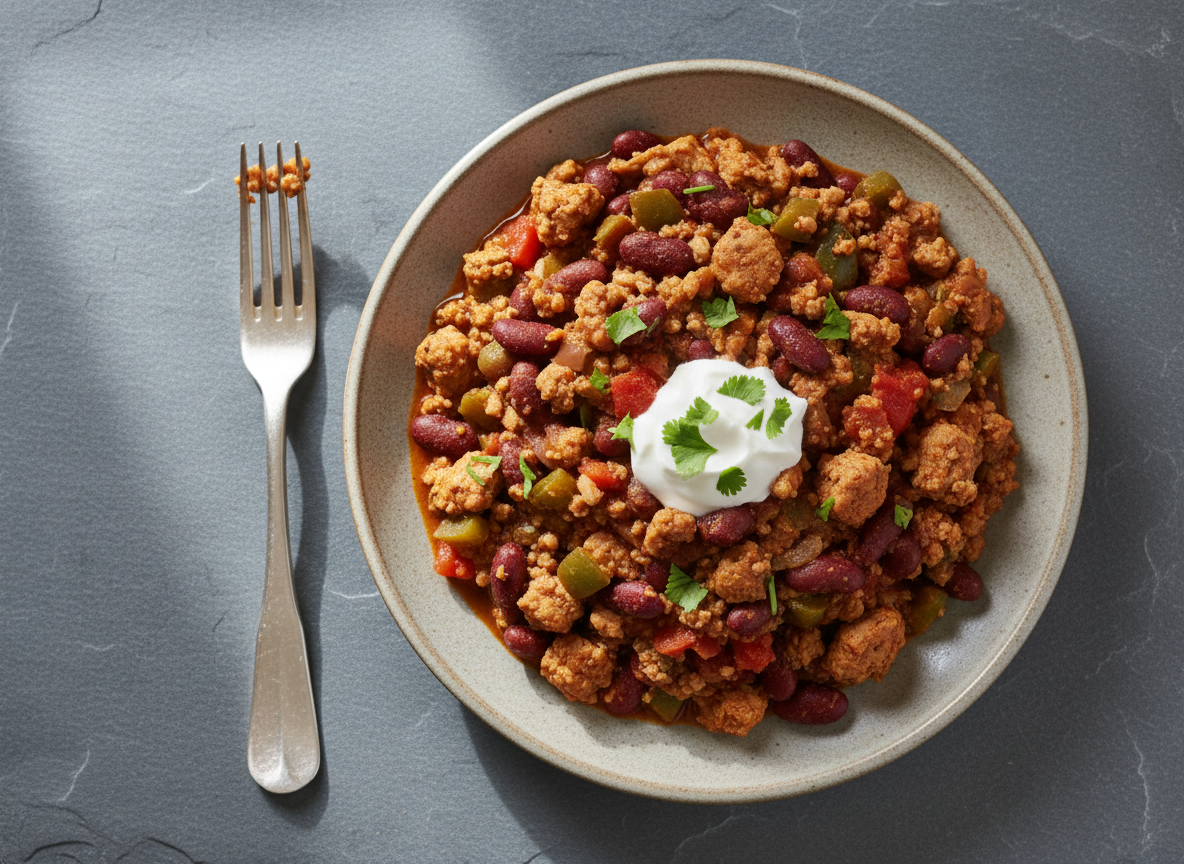
  • High-Protein Cottage Cheese Bowl

    High-Protein Cottage Cheese Bowl

    Recipe · Cutting / No-cook / High-protein

    High-Protein Cottage Cheese Bowl

    A tub of cottage cheese, crunchy cucumber, sweet cherry tomatoes and a heavy hand of everything-bagel seasoning, all stirred together in one bowl. Forty grams of protein, three hundred calories, and not a single thing turned on in the kitchen. This is the lunch I make when I’m hungry now and patient never.

    GoalCut
    Total time5 min
    Servings1 big bowl
    Protein / serving40 g
    Calories / serving300 kcal
    A bowl of cottage cheese topped with cucumber, cherry tomatoes and everything-bagel seasoning under cold light Bowl 01 / Finished

    For years I thought cottage cheese was punishment food. The stuff you ate on a diet because the magazine said to, cold and bland out of a plastic tub, with the texture of something that had given up. I’d choke it down standing at the counter and feel sorry for myself. Then one summer I was deep in a cut, too tired to cook, and I dumped a tub into a bowl with the only fresh things in the fridge — half a cucumber and a handful of cherry tomatoes going soft. I shook some everything-bagel seasoning over the top because it was there. And I sat down and actually enjoyed it.

    That’s the whole trick, it turns out. Cottage cheese on its own is sad. Cottage cheese with crunch, with sweetness from the tomatoes, with salt and onion and sesame from the seasoning, with a little crack of black pepper — that’s a real bowl of food. It tastes like something a person chose to eat. And the numbers are almost rude: a fat bowl that fills you up, forty grams of protein, three hundred calories, and you didn’t dirty a single pan to get there.

    I make this most days I’m cutting now, usually for lunch when I want to be full but I don’t want to think. Five minutes, one bowl, a fork. No heat, no mess, no standing over a stove feeling hard done by. Just cold, savoury, satisfying food that happens to be very kind to your macros. Make it once the way I do and you’ll stop calling cottage cheese punishment too. I’ve got you.

    01Who it’s for & when to eat it

    Cottage cheese is one of the best lean bases a lifter can keep in the fridge, because it bends every direction you need it to. The protein is high, the calories are low, and what you stir through it decides the job. Here’s how I steer it.

    On a cut

    The default bowl

    Low-fat cottage cheese with cucumber, cherry tomatoes and everything-bagel seasoning. Big volume, loads of protein, barely any calories — exactly what you want when you’re hungry but the day’s nearly spent. My go-to cutting lunch.

    On a bulk

    Build it up

    Take it sweet instead — cottage cheese with granola, a drizzle of honey and a spoon of nut butter. Easy clean calories that go down without a fight when appetite’s low. Numbers are in the variations below.

    On TRT

    Steady fuel

    Same savoury base with half an avocado and a scatter of seeds for the fats. Light on digestion, keeps you full for hours, and nothing overshot. A solid steady-day lunch.

    Timing: cottage cheese is slow-digesting protein, so it’s a brilliant late lunch or an evening bowl that holds you through to morning. It’s also the easiest thing on earth to pack — assemble it cold and eat it whenever the hunger lands.

    02Ingredients

    Makes 1 big bowl — one generous serving. Scaling up for the week? Keep the cottage cheese and the chopped veg in separate tubs and combine just before eating, or the tomatoes will weep.

    Servings 1 · adjust on the live recipe card
    • Low-fat cottage cheese200 g · 7 oz
    • Cucumber, diced60 g · ½ cup
    • Cherry tomatoes, halved60 g · ½ cup
    • Everything-bagel seasoning1 tsp
    • Spring onion, sliced optional1 tbsp
    • Lemon, juice of¼ lemon
    • Chilli flakes optional¼ tsp
    • Fresh dill or parsley, chopped1 tbsp
    • Black pepperto taste

    Swaps I actually use: no everything-bagel seasoning? A pinch of salt, a pinch of garlic powder, some toasted sesame and a little dried onion does the same job. Skyr or thick Greek yoghurt works if you want the bowl smoother instead of curdy. Swap the cucumber and tomato for grated carrot, radish or roasted pepper — anything cold, crunchy and bright. And if you want it sweet instead of savoury, see the variations below; the base doesn’t mind either way.

    03Step by step

    Drain it

    Tip off the watery liquid first

    Spoon the cottage cheese into your bowl and tip off any pooled liquid sitting on top. That thin water is what makes a sad, sloppy bowl. Drain it and you get a thicker, creamier base that holds the toppings instead of drowning them.

    Magnus says: drain the tub, every time. Two seconds of effort, a far better bowl.

    Cottage cheese spooned into a bowl with the watery liquid being tipped off
    Chop the veg

    Dice the cucumber, halve the tomatoes

    Dice the cucumber small so you get crunch in every forkful, and halve the cherry tomatoes so they release a little of their sweetness into the bowl. Slice the spring onion thin if you’re using it. Keep the pieces bite-sized — this is a stirred bowl, not a salad.

    Diced cucumber and halved cherry tomatoes on a board ready for the bowl
    Season the base

    Lemon, pepper, and a squeeze of brightness

    Squeeze the lemon juice over the cottage cheese and crack in plenty of black pepper. Give it a stir. The acid wakes the whole bowl up — cottage cheese can be flat on its own, and a little sharpness is what turns it into something you actually want to eat.

    Magnus says: taste the base before you top it. If it’s flat, it’s almost always more lemon or more pepper.

    Lemon juice and black pepper being stirred through cottage cheese
    Pile it on

    Veg over the top, then the seasoning

    Scatter the cucumber, tomatoes and spring onion over the cottage cheese. Shower the everything-bagel seasoning across the lot, add the chilli flakes if you like a little heat, and finish with the chopped dill or parsley. Don’t fully mix it in — a little structure looks better and eats better.

    Magnus says: the seasoning goes on last so it stays crunchy. Stir it in early and it just dissolves.

    Cottage cheese bowl topped with cucumber, tomatoes and everything-bagel seasoning
    Eat it

    Straight away, while the veg is crisp

    That’s it — no heat, no waiting. Eat it right away while the cucumber still snaps and the tomatoes are juicy. If you’re packing it for later, keep the veg and seasoning separate and combine when you sit down, so nothing goes soft.

    Finished cottage cheese bowl with a fork, ready to eat under cold light

    04The spec sheet

    Real numbers, calculated — not guessed. This makes one big bowl, about 300g of food. Here’s what the whole serving and a flat 100g actually give you.

    Macros — per serving & per 100g
    NutrientPer servingPer 100g
    Energy300 kcal100 kcal
    Protein40.0 g13.3 g
    Carbohydrate16.0 g5.3 g
    — of which sugars11.0 g3.7 g
    Fat6.5 g2.2 g
    — of which saturates3.5 g1.2 g
    Fibre2.0 g0.7 g
    Sodium~0.85 g~0.28 g
    Calorie density
    100 kcal / 100g

    Very low. Cottage cheese and crunchy veg are mostly water and protein, so you get a genuinely big bowl for the calories — volume is your best friend on a cut, and this delivers it.

    Protein per 100 kcal
    13.3 g / 100 kcal

    A lifter’s metric, and a very strong one. A huge share of these calories is protein, exactly what you want when you’re holding muscle while the scale comes down.

    Key micros (per serving, approx.)
    • Calcium~180 mg · 18% DV
    • Vitamin B12~1.4 µg · 58% DV
    • Phosphorus~310 mg · 44% DV
    • Selenium~20 µg · 36% DV
    • Riboflavin (B2)~0.3 mg · 23% DV
    • Vitamin C~12 mg · 13% DV

    Macros are calculated from standard food-composition data and will shift a little with your exact ingredients and brands. Micronutrient figures are estimates against general adult Daily Values. Numbers are for guidance, not medical advice — see our Nutrition Disclaimer.

    05Bulk / Cut / TRT variations

    One base, three jobs. The cottage cheese stays the same — you adjust what you stir through it. Macros below are for a full serving.

    Cut

    The lean default

    Low-fat cottage cheese with cucumber, tomato and everything-bagel seasoning. Heavy on lemon, pepper and fresh herbs for flavour, no added fat. Maximum volume, minimum calories — this is the bowl I live on before a shoot.

    300Kcal
    40G Protein
    6.5G Fat
    Bulk

    Take it sweet

    Same cottage cheese gone sweet: a handful of granola, a drizzle of honey and a spoon of peanut butter stirred through, with berries instead of the savoury veg. Clean, easy calories that go down even when appetite’s flat.

    550Kcal
    46G Protein
    22G Fat
    TRT

    Steady & balanced

    The savoury base with half an avocado and a scatter of mixed seeds for healthy fats. Moderate calories, slow-digesting protein, plenty of fibre — full and satisfied without overshooting your day.

    450Kcal
    43G Protein
    22G Fat

    06Meal prep & storage

    This is about the most prep-friendly meal there is, as long as you respect the one rule: keep the wet veg away from the cheese until you eat. Cut tomatoes weep, and a watery bowl is a sad bowl.

    Fridge
    3 days

    Cottage cheese keeps well in a sealed tub for around three days. Store the chopped veg in a separate container and combine just before eating.

    Freezer
    Not ideal

    I don’t freeze it — cottage cheese splits and goes grainy on thawing, and fresh veg turns to mush. This one’s a fridge meal, eaten fresh.

    Assemble
    60 sec

    No reheating, ever. Drain the cheese, tip in the veg, shake over the seasoning. A full minute, start to fork, and you’re done.

    If you’re prepping for the week, my honest advice is to portion the drained cottage cheese into tubs and keep one little container of pre-chopped cucumber, tomato and spring onion alongside. Sixty seconds to combine at lunch — barely more effort than opening a packet, and it tastes a great deal better.

    Free · the 7-day “Get Fed” plan

    Want a whole week built around food like this?

    Drop your email and I’ll send you my free 7-day plan — meals, macros already counted, grocery list written. No spam, no lectures.

    No spam. Unsubscribe whenever. See what’s in the plan →

    07Common questions

    How does this hit 40g of protein? +

    It’s almost all the cottage cheese. A 200g serving of low-fat cottage cheese carries roughly 38 to 40g of protein on its own, depending on the brand, and the veg and seasoning round it out. If your tub reads lower on the label, bump the cottage cheese to 220g and you’ll land right on the mark.

    Can I make a sweet version instead? +

    Easily. Skip the cucumber, tomato and seasoning, and stir through berries, a little vanilla and a drizzle of honey. Cottage cheese is brilliant sweet — it’s the curd version of yoghurt. For a higher-calorie sweet bowl with granola and nut butter, see the Bulk variation above; it’s built exactly for that.

    I don’t love the texture of cottage cheese — help? +

    Two fixes. First, drain off the watery liquid, which is half the problem. Second, blend the cottage cheese for a few seconds before you top it — it goes smooth and creamy, almost like a thick dip, and the curds disappear entirely. Many people who think they hate cottage cheese only hate the curd texture, and blending solves it.

    How do I turn this into a proper bulk meal? +

    Add carbs and fat. Stir through a handful of granola, a drizzle of honey and a spoon of peanut butter, and swap the savoury veg for berries. That takes the bowl from around 300 to roughly 550 calories with 46g of protein — clean calories that go down easy even on low appetite. See the Bulk variation above for the full numbers.

    What if I can’t find everything-bagel seasoning? +

    Make your own. A pinch of flaky salt, some toasted sesame and poppy seeds, a little dried onion and a little garlic powder gives you the same savoury, oniony, salty hit. Even just garlic powder, sesame and a crack of pepper will carry the bowl. It’s a flexible thing — use what’s in the cupboard.

    Is this enough food for a real meal? +

    For most people, yes — it’s a big, filling bowl and cottage cheese is slow to digest, so it holds you. If you’re a larger lifter or training hard that day, scale the cottage cheese up or pair it with one of the cutting recipes below for a fuller plate. The numbers stay friendly even when you double it.

    From my 7-day Cut plan

    This bowl lives inside a full week of meals.

    This cottage cheese bowl is one lunch in my 7-day cutting plan — seven days of high-protein, low-calorie meals with the macros counted and the grocery list written. You pick the goal; I do the maths.

    See the cutting meal plan
    Cottage cheese bowl portioned as part of a cutting meal plan under cold light

    08Pairs well with

    Browse all recipes →

    Magnus Olafsson in his kitchen — bald, bearded and broad, in his pink apron, under cold light
    About the author

    Magnus Olafsson

    I’m Magnus — twenty years under the iron, from a cold gym in Stockholm to the classic-physique stage, and now mostly in my kitchen in a pink apron. I’ve cut for shows, bulked through winters, and I’ve been on TRT since I was thirty-five. I know what it takes to eat for the body you’re chasing, and I know it shouldn’t come with a side of shame.

    Everything here is food I actually cook and macros I actually count. I don’t diagnose, I don’t promise, and I never make a number up. I just feed you well and tell you the truth.

    NPC Illinois NPC Classic Physique On TRT since 35 20 years training

    Slim Diet Era shares recipes and general nutrition information. It is not medical or dietetic advice, and we do not provide guidance on obtaining or using any controlled substance. See our Medical Disclaimer and Nutrition Disclaimer.
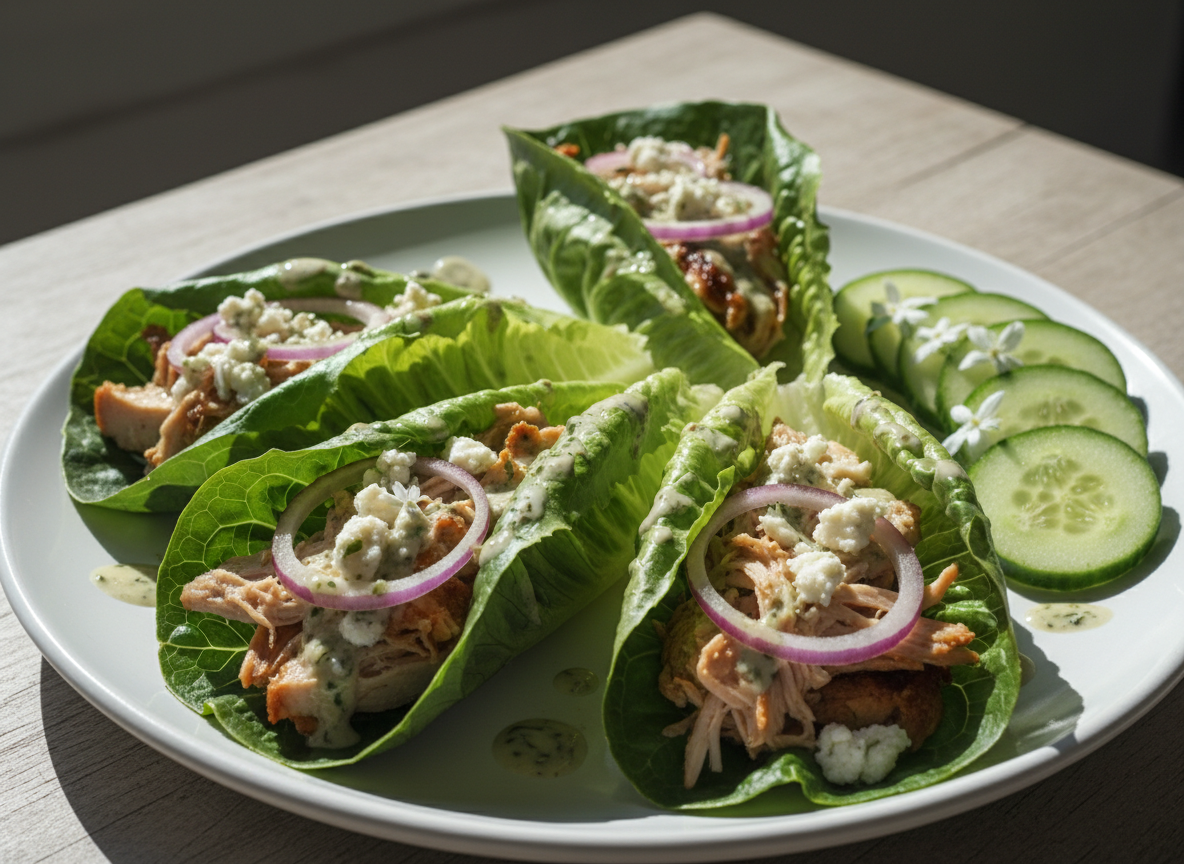
  • White-Fish Tacos (lettuce cups)

    White-Fish Tacos (lettuce cups)

    Recipe · Cutting / Seafood / High-protein

    White-Fish Tacos (lettuce cups)

    Flaky, spiced white fish piled into crisp lettuce cups with a quick lime-yoghurt drizzle and a sharp little slaw — about 340 calories and 39 grams of protein for the lot. All the noise and colour of taco night, none of the heavy aftermath. This is how I eat tacos on a cut and still sleep like a baby.

    GoalCut
    Total time20 min
    Servings1 (4 cups)
    Protein / serving39 g
    Calories / serving340 kcal
    Spiced flaky white fish in crisp lettuce cups with slaw and lime-yoghurt drizzle under cold light Plate 01 / Finished

    The first time I had a proper fish taco, I was sat on a plastic chair outside a little place by the water, sunburnt on one side, a paper plate going soft in my hands. I was deep in an off-season at the time — eating like a man trying to fill a hole — and I must have put away six of them without blinking. They were perfect. They were also, if I’m honest, a small avalanche of calories, and that’s the thing about tacos: it’s never the fish. It’s the fried shells, the cheese, the sour cream, the second basket of chips you swore you wouldn’t touch.

    So when I’m cutting, I keep everything I loved about that plate and quietly drop the parts that wreck the maths. The fish stays — white fish is gorgeous on a cut, lean and flaky and ready in minutes. The shells become crisp lettuce cups, which I genuinely prefer; they crunch, they’re cold, they hold the filling. The sour cream becomes a thin lime-yoghurt drizzle that tastes richer than it has any right to. You still get the colour, the spice, the squeeze of lime that makes the whole thing sing.

    And it lands at 340 calories with nearly 40 grams of protein, which means you can build the whole plate without doing sums in your head and feeling guilty. There’s no guilt here anyway, love — there’s just good food. Make these on a warm evening, eat them with your hands, and tell me they feel like a diet. They don’t. I’ve got you on this one.

    01Who it’s for & when to eat it

    White fish is one of the most flexible lean proteins there is. The spiced fish stays the same; the carrier and the carbs around it decide the job. Here’s how I steer it.

    On a cut

    The default plate

    Spiced fish in lettuce cups with slaw and lime-yoghurt. High protein, low calories, loads of crunch and colour. Genuinely satisfying for the calories — my go-to when I want taco night without the taco night damage.

    On a bulk

    Build it up

    Swap the lettuce for warm corn tortillas, add rice and beans on the side, and don’t be shy with the avocado. Same fish, real carbs, easy calories. Numbers are in the variations below.

    On TRT

    Steady fuel

    Two corn tortillas, the fish, the slaw, half an avocado for the fats. Moderate carbs, lean protein, balanced and easy on the gut for an evening meal.

    Timing: light, fast-cooking and easy to digest, so these are great after evening training or on a hot day when you don’t fancy anything heavy. The components also keep separately, so you can prep the slaw and sauce ahead and cook the fish fresh in minutes.

    02Ingredients

    Makes 4 lettuce cups — one generous serving. Scaling up? Keep the fish-to-spice ratio the same and just multiply every line.

    Servings 1 · adjust on the live recipe card
    • White fish fillet cod, haddock or pollock170 g · 6 oz
    • Baby gem lettuce for cups1 head
    • Red cabbage, shredded80 g · 2.8 oz
    • Carrot, grated1 small
    • Greek yoghurt, 0% fat60 g · ¼ cup
    • Lime, juice of1 lime
    • Olive oil2 tsp · 10 ml
    • Smoked paprika1 tsp
    • Ground cumin½ tsp
    • Garlic powder½ tsp
    • Fresh coriander, chopped2 tbsp
    • Salt & black pepperto taste (go light)

    Swaps I actually use: any firm white fish works — cod, haddock, pollock, hake, even tilapia. No coriander lover in the house? Leave it out or use parsley. For a richer drizzle on a less strict day, stir a little mashed avocado into the yoghurt. And if you want more heat, a pinch of cayenne or a splash of hot sauce in the spice mix does the job for almost no calories.

    03Step by step

    Make the slaw

    Toss the cabbage, carrot and lime

    Shred the red cabbage fine and grate the carrot. Toss them with half the lime juice and a small pinch of salt, then leave them to sit while you cook — the lime softens the cabbage and sharpens it up beautifully.

    Magnus says: salting the slaw early is what stops it being a dry, raw mouthful. Let it sit.

    Shredded red cabbage and grated carrot tossed with lime in a bowl
    The drizzle

    Stir up the lime-yoghurt

    Mix the Greek yoghurt with the rest of the lime juice, a pinch of garlic powder and a little salt and pepper. Loosen it with a teaspoon of water until it pours in a thin ribbon. Taste it — it should be sharp and bright, not bland.

    Lime-yoghurt drizzle being stirred in a small bowl
    Spice the fish

    Pat dry and rub with spice

    Pat the fish properly dry, then rub it all over with the paprika, cumin, garlic powder, a little salt and pepper, and a teaspoon of the oil. A dry fillet takes a crust; a wet one just goes pale and sad.

    Magnus says: dry the fish first. Spices stick to dry, not damp.

    White fish fillet rubbed with smoked paprika and cumin spice mix
    Cook the fish

    Sear 3–4 minutes a side

    Heat the last teaspoon of oil in a pan over medium-high. Cook the fish for about 3 to 4 minutes a side, until it’s opaque and flakes easily with a fork. White fish is delicate, so flip it once and gently. Break it into big flakes once it’s done.

    Magnus says: flake it, don’t shred it. Big chunks eat far better in a cup.

    Spiced white fish searing in a pan until golden and flaky
    Build the cups

    Layer it all into the lettuce

    Separate the baby gem into cup-shaped leaves. Spoon in a little slaw, pile on the flaked fish, drizzle over the lime-yoghurt and finish with the coriander and a final squeeze of lime. Eat them with your hands, straight away, while the fish is still warm.

    Lettuce cups filled with slaw, flaked fish and lime-yoghurt drizzle

    04The spec sheet

    Real numbers, calculated — not guessed. This makes four loaded lettuce cups, about 380g of food total. Here’s what the whole serving and a flat 100g actually give you.

    Macros — per serving & per 100g
    NutrientPer servingPer 100g
    Energy340 kcal89 kcal
    Protein39.0 g10.3 g
    Carbohydrate18.0 g4.7 g
    — of which sugars10.0 g2.6 g
    Fat11.0 g2.9 g
    — of which saturates2.0 g0.5 g
    Fibre6.0 g1.6 g
    Sodium~0.5 g~0.13 g
    Calorie density
    89 kcal / 100g

    Very low. Built on fish, leaves and slaw, this is a big, colourful plate for the calories — exactly the kind of volume that makes a cut feel survivable.

    Protein per 100 kcal
    11.5 g / 100 kcal

    A lifter’s metric. Most of these calories are protein, which is what holds your muscle while the calories come down.

    Key micros (per serving, approx.)
    • Vitamin B12~1.8 µg · 75% DV
    • Vitamin C~50 mg · 56% DV
    • Vitamin A~430 µg · 48% DV
    • Selenium~40 µg · 73% DV
    • Iodine~110 µg · 73% DV
    • Phosphorus~270 mg · 38% DV

    Macros are calculated from standard food-composition data and will shift a little with your exact ingredients and brands. Micronutrient figures are estimates against general adult Daily Values. Numbers are for guidance, not medical advice — see our Nutrition Disclaimer.

    05Bulk / Cut / TRT variations

    One base, three jobs. The spiced fish, slaw and drizzle stay the same — you change the carrier and the carbs. Macros below are for a full serving.

    Cut

    The lean default

    Fish in lettuce cups, plenty of slaw, the thin lime-yoghurt drizzle, no tortillas. Maximum crunch and volume for minimum calories. This is the version I make on repeat through a cut.

    340Kcal
    39G Protein
    11G Fat
    Bulk

    Build it up

    Swap to three warm corn tortillas, add 100g rice and a spoon of black beans on the side, and finish with half an avocado. Same fish, real carbs and fats — easy, clean calories.

    680Kcal
    44G Protein
    22G Fat
    TRT

    Steady & balanced

    Two corn tortillas, the fish and slaw, half an avocado for the fats. Moderate carbs, healthy fats, lean protein — full and balanced without overshooting your day.

    520Kcal
    41G Protein
    20G Fat

    06Meal prep & storage

    This is a build-to-order plate, but the components prep brilliantly. I’ll make the slaw and drizzle ahead, keep the lettuce crisp, and cook the fish fresh — it takes under ten minutes.

    Slaw & sauce
    3 days

    The slaw and lime-yoghurt keep well in sealed containers in the fridge for up to three days — the slaw actually improves as it sits.

    Cooked fish
    2 days

    Store flaked fish separately and eat within two days. Keep the lettuce dry and whole until you’re ready to build.

    Reheat
    60 sec

    Warm the fish gently — a short microwave blast or a quick pan toss. Or eat it cold; flaked white fish is lovely cool in these cups.

    For a packed lunch, keep the four parts separate — fish, slaw, drizzle, lettuce — and assemble at the table so the cups stay crisp. A soggy lettuce cup is a sad thing, and you deserve better than that.

    Free · the 7-day “Get Fed” plan

    Want a whole week built around food like this?

    Drop your email and I’ll send you my free 7-day plan — meals, macros already counted, grocery list written. No spam, no lectures.

    No spam. Unsubscribe whenever. See what’s in the plan →

    07Common questions

    What’s the best white fish to use? +

    Any firm white fish works — cod, haddock, pollock, hake, and tilapia all flake nicely and take the spice well. Cod and haddock are my favourites for the big, clean flakes. Frozen fillets are fine too; just thaw and pat them dry before cooking.

    Can I use tortillas instead of lettuce? +

    Of course. Lettuce cups keep this light for a cut, but warm corn tortillas are gorgeous and add real carbs for a bulk or a balanced day. Two corn tortillas add roughly 100–120 calories. Use whatever fits your day — there are no rules here, only macros.

    How do I stop the fish falling apart? +

    White fish is delicate, so handle it gently. Pat it dry, cook it on a properly hot pan so it releases cleanly, and flip it only once with a wide spatula. A little breaking is fine — you’re flaking it for the cups anyway — but big chunks eat best.

    Can I make this dairy-free? +

    Easily. Swap the Greek yoghurt for a thick plant-based unsweetened yoghurt, or skip the drizzle and use mashed avocado with lime instead. You’ll add a few calories with avocado but lose nothing in flavour — it’s a lovely swap on a TRT or bulk day.

    How do I turn this into a bulk meal? +

    Add carbs and fats. Move to three corn tortillas, serve rice and black beans on the side, and finish with half an avocado. That takes the plate from around 340 to roughly 680 calories with 44g protein. See the Bulk variation above for the full numbers.

    From my 7-day Cut plan

    These tacos live inside a full week of meals.

    These fish tacos are one dinner in my 7-day cutting plan — seven days of high-protein, low-calorie meals with the macros counted and the grocery list written. You pick the goal; I do the maths.

    See the cutting meal plan
    White-fish lettuce cup tacos portioned as part of a cutting meal plan under cold light

    08Pairs well with

    Browse all recipes →

    Magnus Olafsson in his kitchen — bald, bearded and broad, in his pink apron, under cold light
    About the author

    Magnus Olafsson

    I’m Magnus — twenty years under the iron, from a cold gym in Stockholm to the classic-physique stage, and now mostly in my kitchen in a pink apron. I’ve cut for shows, bulked through winters, and I’ve been on TRT since I was thirty-five. I know what it takes to eat for the body you’re chasing, and I know it shouldn’t come with a side of shame.

    Everything here is food I actually cook and macros I actually count. I don’t diagnose, I don’t promise, and I never make a number up. I just feed you well and tell you the truth.

    NPC Illinois NPC Classic Physique On TRT since 35 20 years training

    Slim Diet Era shares recipes and general nutrition information. It is not medical or dietetic advice, and we do not provide guidance on obtaining or using any controlled substance. See our Medical Disclaimer and Nutrition Disclaimer.
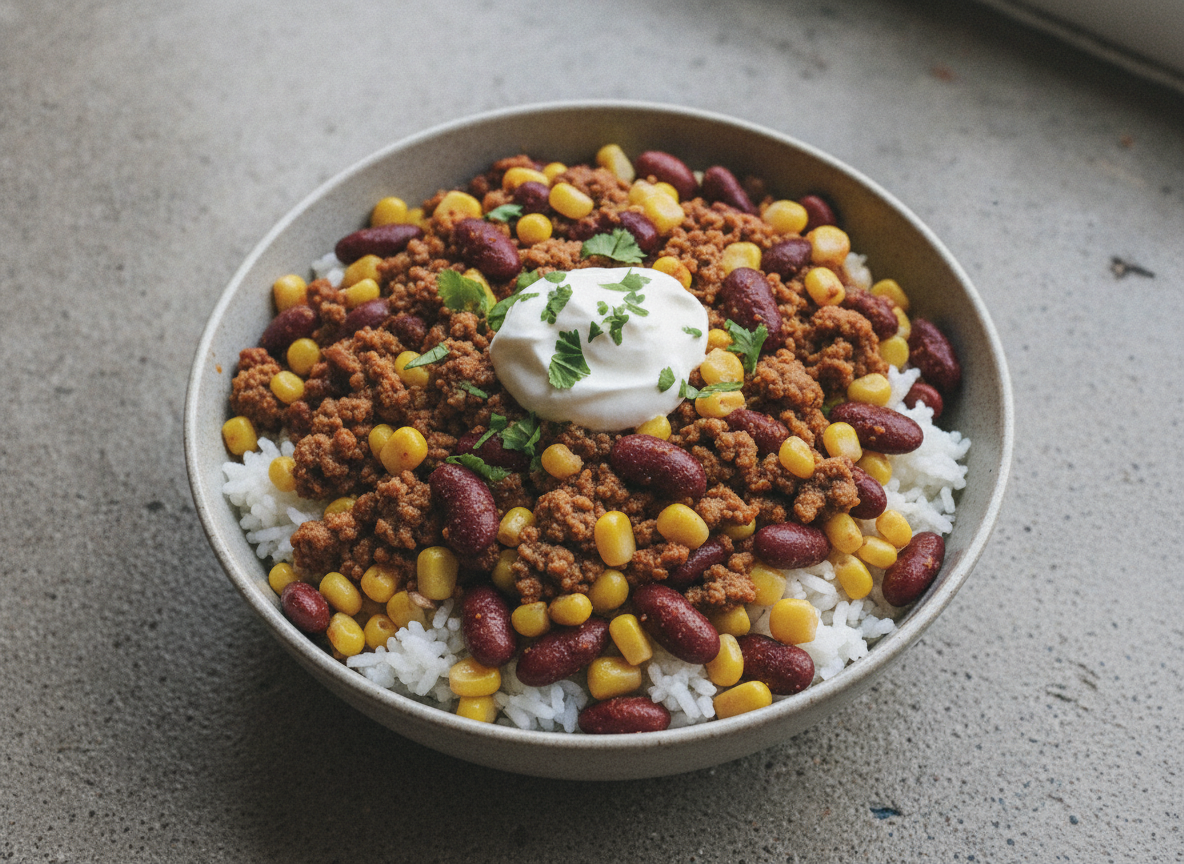
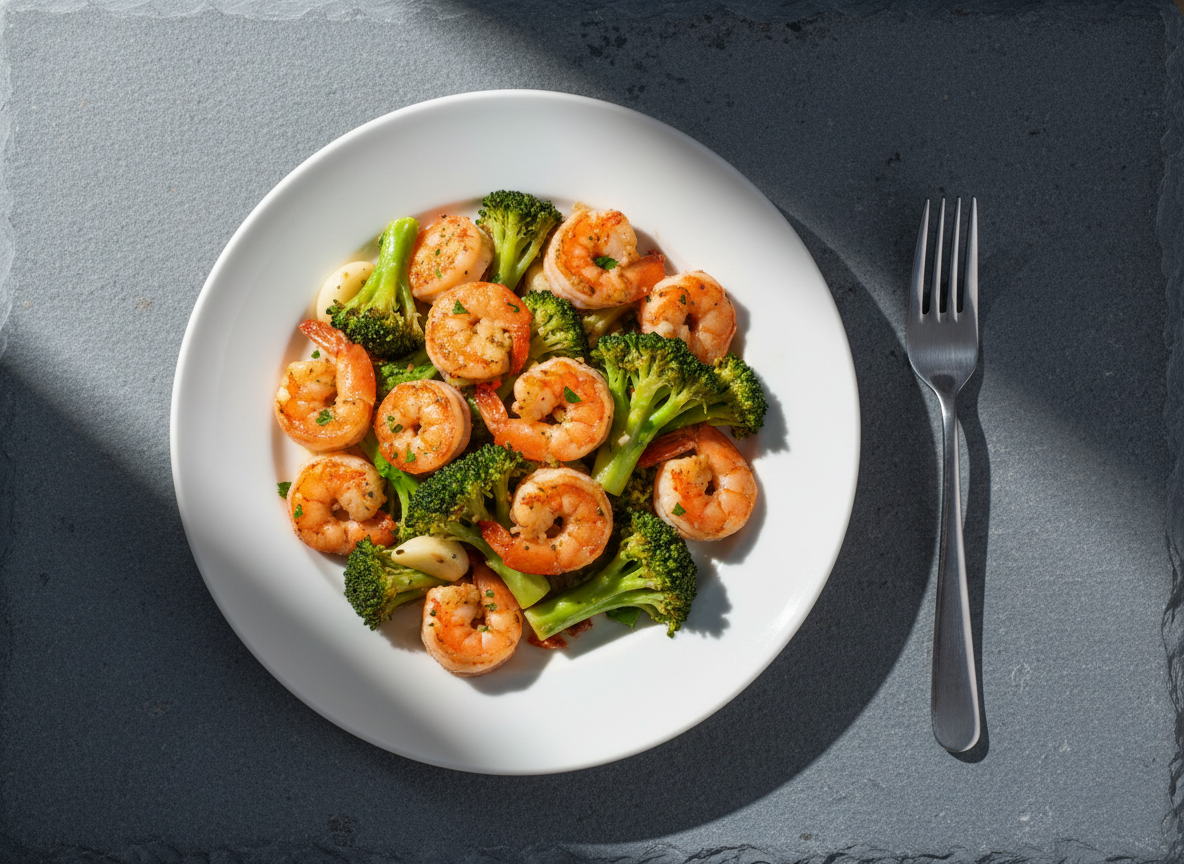
  • Garlic Shrimp and Broccoli

    Garlic Shrimp and Broccoli

    Recipe · Cutting / Seafood / High-protein

    Garlic Shrimp and Broccoli

    Fat prawns seared in garlic, a heap of broccoli still snapping with bite, and a whole plate that lands around 360 calories with 41 grams of protein. It cooks in the time it takes the kettle to boil twice, and it’s the meal I make when I’m tired, hungry, and not in the mood to be sad about either.

    GoalCut
    Total time15 min
    Servings1 big plate
    Protein / serving41 g
    Calories / serving360 kcal
    Seared garlic prawns piled over bright steamed broccoli on a plate under cold light Plate 01 / Finished

    There’s a fish market near the harbour back home where I’ve been buying prawns since I was a younger, dafter man with twice the ego and half the sense. The fella behind the counter knows me. He knows I’ll poke every tray, sniff the air like a suspicious bear, and walk out with a bag of shell-on prawns and a sermon nobody asked for about how shrimp is the most forgiving protein a person on a cut can own. He’s heard it a hundred times. He nods. He’s a patient man.

    And I stand by the sermon. When I’m pulling calories down for a shoot and everything feels grey and joyless, this is the plate that brings me back. Prawns cook in three minutes flat — overshoot them and they go to rubber, so you have to stay at the pan, which I quite like; it makes me slow down. The garlic does most of the heavy lifting for flavour, the broccoli gives you a genuine pile of food to chew through, and the whole thing lands light enough that I’m not lying awake feeling stuffed.

    I make this when I can’t be bothered, which on a long cut is most evenings. Fifteen minutes, one pan, real food, real numbers. No sad steamed nonsense, no eating standing over the sink feeling like you’ve been punished. Just a hot, garlicky plate that happens to be very kind to your macros. Cook it once and you’ll see what I mean — I’ve got you.

    01Who it’s for & when to eat it

    Prawns and broccoli are a brilliant lean base because they bend in every direction. The protein is high, the calories are low, and what you add around them decides the job. Here’s how I steer it.

    On a cut

    The default plate

    Prawns and a mountain of broccoli, garlic, lemon, a single teaspoon of oil. Huge volume, low calories — exactly what you want when you’re hungry but the day’s calories are nearly gone. My go-to evening cut meal.

    On a bulk

    Build it up

    Same prawns and broccoli over a bowl of jasmine rice, with an extra glug of oil and a spoon of soy. Easy clean calories without the bloat you’d get from anything fried. Numbers are in the variations below.

    On TRT

    Steady fuel

    A moderate portion of rice, a little more oil for the fats, the same lean prawns. Light on digestion for an evening, keeps you full, and nothing overshot.

    Timing: this is a fast-cooking, light-on-the-gut plate, so it’s lovely after evening training when you don’t want to lie down full. It also reheats decently if you’re careful, though prawns are always best fresh from the pan.

    02Ingredients

    Makes 1 big plate — one generous serving. Doubling for two? Cook the prawns in two batches so the pan stays hot and they sear rather than stew.

    Servings 1 · adjust on the live recipe card
    • Raw prawns, peeled tails on or off180 g · 6.3 oz
    • Broccoli florets200 g · 7 oz
    • Garlic, finely sliced4 cloves
    • Olive oil1 tbsp · 15 ml
    • Lemon, juice of½ lemon
    • Chilli flakes optional½ tsp
    • Fresh parsley, chopped2 tbsp
    • Black pepperto taste
    • Saltto taste (go light)

    Swaps I actually use: frozen prawns are perfectly good here — just thaw and pat them bone dry or they’ll steam. No broccoli? Tenderstem, green beans, or asparagus all work the same way. Want it leaner still? Drop the oil to two teaspoons and lean on the garlic and lemon for flavour. A splash of light soy instead of salt adds savour for barely any calories.

    03Step by step

    Prep the prawns

    Thaw if frozen, then pat them dry

    If the prawns are frozen, thaw them fully and pat them properly dry with paper towel. Wet prawns release water and steam instead of searing — and a steamed prawn is a sad, rubbery prawn. Dry surface, every time.

    Magnus says: dry the prawns like you mean it. It’s the whole difference between sear and stew.

    Peeled raw prawns being patted dry on paper towel
    Start the broccoli

    Get the greens going first

    Steam or boil the broccoli florets for 3 to 4 minutes — you want them bright green and still snapping, not grey and floppy. Drain well and set aside. Undercook them slightly; they’ll keep cooking on the hot plate.

    Bright green broccoli florets steaming in a pan
    Bloom the garlic

    Warm the oil and garlic gently

    Heat the olive oil in a wide pan over medium. Add the sliced garlic and the chilli flakes if using, and let them sizzle gently for about a minute until fragrant and just turning gold. Don’t let the garlic brown hard or it goes bitter.

    Magnus says: low and slow with the garlic. Burnt garlic ruins the whole plate.

    Sliced garlic sizzling gently in olive oil with chilli flakes
    Sear the prawns

    Two to three minutes, no more

    Turn the heat up to medium-high and add the prawns in a single layer. Sear for about 90 seconds a side, until they turn pink and curl into a loose C. The moment they’re opaque through, they’re done — overcook them and they tighten to rubber.

    Magnus says: a tight little O means overdone. Pull them at the loose C.

    Prawns searing pink in a hot garlicky pan
    Bring it together

    Broccoli in, lemon over, done

    Tip the broccoli back into the pan, squeeze over the lemon, season with pepper and a light pinch of salt, and toss everything together for 30 seconds so the greens pick up all that garlicky oil. Off the heat, scatter over the parsley and plate it straight away.

    Prawns and broccoli tossed together with lemon and parsley in the pan

    04The spec sheet

    Real numbers, calculated — not guessed. This makes one big plate, about 400g of cooked food. Here’s what the whole serving and a flat 100g actually give you.

    Macros — per serving & per 100g
    NutrientPer servingPer 100g
    Energy360 kcal90 kcal
    Protein41.0 g10.3 g
    Carbohydrate14.0 g3.5 g
    — of which sugars4.0 g1.0 g
    Fat15.0 g3.8 g
    — of which saturates2.3 g0.6 g
    Fibre6.0 g1.5 g
    Sodium~0.55 g~0.14 g
    Calorie density
    90 kcal / 100g

    Very low. Prawns and broccoli are mostly water and protein, so you get a genuinely large plate for the calories — volume is your best friend on a cut, and this delivers it.

    Protein per 100 kcal
    11.4 g / 100 kcal

    A lifter’s metric. A big share of these calories is protein, exactly what you want when you’re holding muscle while the scale comes down.

    Key micros (per serving, approx.)
    • Selenium~60 µg · 109% DV
    • Vitamin C~135 mg · 150% DV
    • Vitamin B12~1.4 µg · 58% DV
    • Vitamin K~180 µg · 150% DV
    • Iodine~50 µg · 33% DV
    • Folate~110 µg · 28% DV

    Macros are calculated from standard food-composition data and will shift a little with your exact ingredients and brands. Micronutrient figures are estimates against general adult Daily Values. Numbers are for guidance, not medical advice — see our Nutrition Disclaimer.

    05Bulk / Cut / TRT variations

    One base, three jobs. The prawns and broccoli stay the same — you adjust the carbs and fat around them. Macros below are for a full serving.

    Cut

    The lean default

    Prawns and broccoli with the oil dropped to two teaspoons, heavy on garlic, lemon and chilli for flavour. No rice. Maximum volume, minimum calories — this is the version I live on before a shoot.

    290Kcal
    40G Protein
    9G Fat
    Bulk

    Build it up

    Same plate over 180g cooked jasmine rice, with the full tablespoon of oil and a spoon of light soy. Clean, easy calories that go down without bloat — great for getting food in when appetite’s low.

    640Kcal
    46G Protein
    16G Fat
    TRT

    Steady & balanced

    Prawns and broccoli over 120g rice with the full tablespoon of oil. Moderate carbs, healthy fats, lean protein — full and satisfied without overshooting your day.

    500Kcal
    43G Protein
    16G Fat

    06Meal prep & storage

    Prawns are best straight from the pan, but this still preps well if you’re sensible about the reheat. I’ll cook the broccoli and garlic base ahead and sear fresh prawns to order when I can.

    Fridge
    2 days

    Store cooked prawns and broccoli together in an airtight container. Cooked prawns don’t keep as long as meat, so eat within two days.

    Freezer
    Not ideal

    I don’t freeze cooked prawns — they go watery and tough on thawing. Freeze the raw prawns instead and cook fresh.

    Reheat
    90 sec

    Gently, and only just warm through. A quick toss in a hot pan or a short microwave blast — push it and the prawns turn to rubber.

    If you’re prepping for the week, my honest advice is to cook the broccoli, garlic and lemon base ahead and keep raw prawns portioned in the freezer. Three minutes in a hot pan and dinner’s done — it’s barely more effort than reheating, and it tastes ten times better.

    Free · the 7-day “Get Fed” plan

    Want a whole week built around food like this?

    Drop your email and I’ll send you my free 7-day plan — meals, macros already counted, grocery list written. No spam, no lectures.

    No spam. Unsubscribe whenever. See what’s in the plan →

    07Common questions

    Can I use frozen prawns? +

    Absolutely — frozen prawns are often fresher than the “fresh” ones, since they’re frozen at sea. The only rule is to thaw them fully and pat them bone dry before they hit the pan. Wet prawns steam instead of searing, and you lose all that lovely caramelised edge.

    How do I stop prawns going rubbery? +

    Don’t overcook them, that’s the whole game. Prawns are done in about 90 seconds a side — the second they turn pink and curl into a loose C, pull them. A tight little O shape means they’re overdone. Cook them on real heat, fast, and get them off.

    Can I make this in an air fryer? +

    You can do the broccoli beautifully in an air fryer — toss it with a teaspoon of oil and the garlic, then air-fry at 190°C for about 8 minutes. I’d still sear the prawns in a pan, though; they cook so fast that the pan gives you more control and a better edge.

    How do I turn this into a proper bulk meal? +

    Add carbs and a touch more fat. Serve the prawns and broccoli over 180g of cooked jasmine rice, use the full tablespoon of oil, and finish with a spoon of light soy. That takes the plate from around 360 to roughly 640 calories with 46g protein — clean calories that go down easy. See the Bulk variation above for the full numbers.

    What can I use instead of broccoli? +

    Anything green and quick. Tenderstem broccoli, green beans, asparagus, or sugar snap peas all cook in the same few minutes and pair just as well with garlic and lemon. Keep the cooking light so they hold their bite — limp greens are the only way to ruin this plate.

    From my 7-day Cut plan

    This plate lives inside a full week of meals.

    This garlic shrimp is one dinner in my 7-day cutting plan — seven days of high-protein, low-calorie meals with the macros counted and the grocery list written. You pick the goal; I do the maths.

    See the cutting meal plan
    Garlic prawns and broccoli portioned as part of a cutting meal plan under cold light

    08Pairs well with

    Browse all recipes →

    Magnus Olafsson in his kitchen — bald, bearded and broad, in his pink apron, under cold light
    About the author

    Magnus Olafsson

    I’m Magnus — twenty years under the iron, from a cold gym in Stockholm to the classic-physique stage, and now mostly in my kitchen in a pink apron. I’ve cut for shows, bulked through winters, and I’ve been on TRT since I was thirty-five. I know what it takes to eat for the body you’re chasing, and I know it shouldn’t come with a side of shame.

    Everything here is food I actually cook and macros I actually count. I don’t diagnose, I don’t promise, and I never make a number up. I just feed you well and tell you the truth.

    NPC Illinois NPC Classic Physique On TRT since 35 20 years training

    Slim Diet Era shares recipes and general nutrition information. It is not medical or dietetic advice, and we do not provide guidance on obtaining or using any controlled substance. See our Medical Disclaimer and Nutrition Disclaimer.
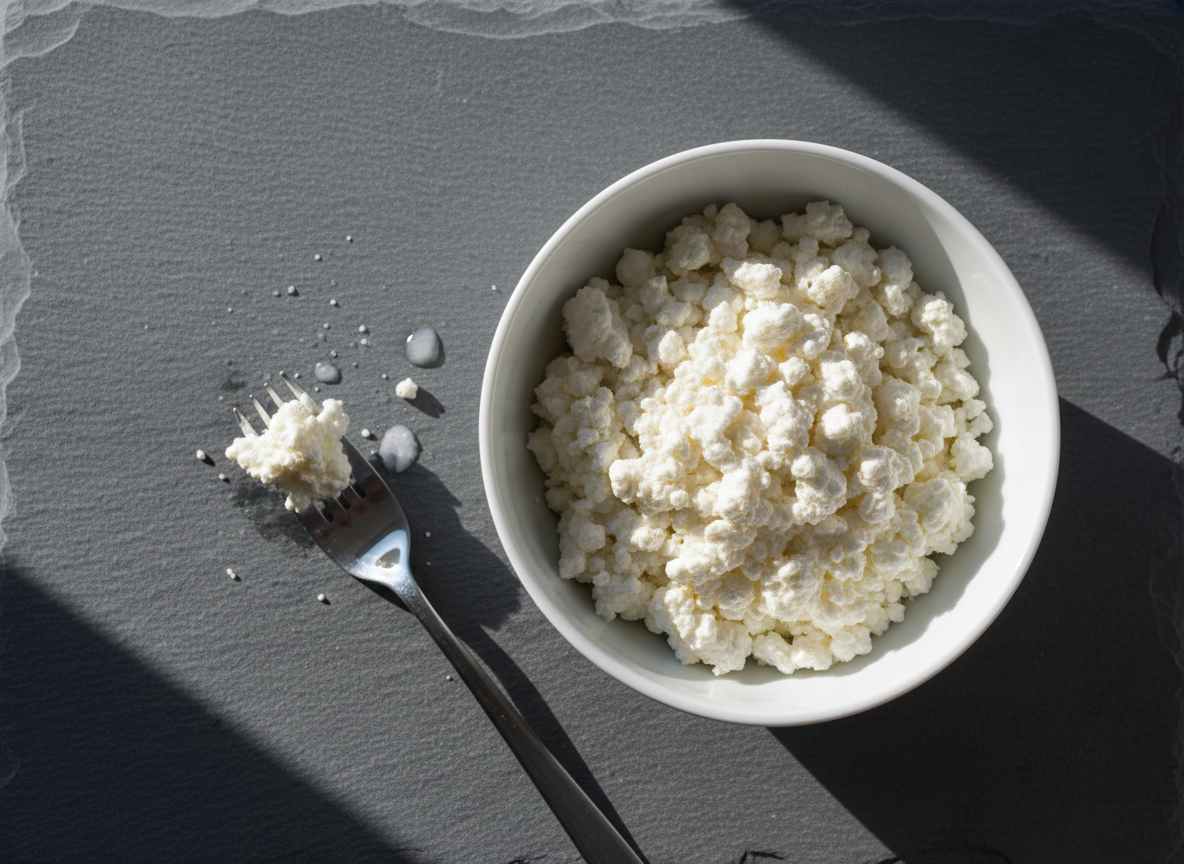
  • Casein-Loaded Overnight Oats

    Casein-Loaded Overnight Oats

    Recipe · Cutting / Breakfast / High-protein

    Casein-Loaded Overnight Oats

    A thick, pudding-like jar of oats you build the night before and wake up to already done — 35 grams of protein for around 360 calories, leaning on casein and Greek yogurt so it stays creamy and keeps you full for hours. The breakfast for mornings when you can barely open your eyes.

    GoalCut
    Total time5 min + overnight
    Servings1 jar
    Protein / serving35 g
    Calories / serving360 kcal
    A thick jar of creamy overnight oats topped with berries under cold light Plate 01 / Finished

    I am not a morning person. Twenty years of early gym sessions and I still wake up like a bear poked out of hibernation — slow, grumpy, useless until I’ve eaten something. For years that meant either skipping breakfast and getting cranky by ten, or eating something rushed and rubbish standing at the counter. Neither did me any favours.

    Overnight oats fixed it, and casein made them brilliant. Here’s the simple bit of kitchen science: casein is a slow-digesting milk protein, and when it sits in liquid overnight it thickens everything around it into a proper, spoonable pudding. Stir it into oats with some Greek yogurt and you wake up to a jar that’s thick, creamy, and packed with protein — no blender, no cooking, no thinking required at the hour I think least well.

    This is the jar I make before bed on cutting weeks, half-asleep, by feel. Five minutes the night before buys you a breakfast that’s already done when your alarm goes off. It keeps me full clean through to lunch, which matters when calories are tight and a hungry morning is how good plans fall apart. Soft, sweet, sturdy, and kind to your macros — wake up, grab the jar, eat. I’ve got you, even before coffee.

    01Who it’s for & when to eat it

    Overnight oats are the most flexible breakfast base I know — the oats and protein stay constant, and what you add around them sets the calories. Here’s how I steer it for each job.

    On a cut

    The default jar

    Oats, casein, Greek yogurt and a handful of berries, kept lean. High protein, properly filling, low enough on calories that it sets you up for a tight day. My go-to cutting breakfast.

    On a bulk

    Build it up

    Bigger oats, a spoon of peanut butter and a sliced banana stirred through. Easy clean calories you can eat half-asleep — perfect for getting food in early when appetite is low. Numbers in the variations below.

    On TRT

    Steady fuel

    A spoon of nut butter and some seeds for healthy fats, the same slow protein. Releases steadily through the morning and keeps your energy level rather than spiking and crashing.

    Timing: this is a slow-digesting breakfast, which makes it brilliant first thing — it keeps you full for hours. The same thick, casein-rich jar also works as a bedtime snack if you like a little slow protein before sleep.

    02Ingredients

    Makes 1 jar — one generous serving. Doubling for two? Just scale it up and use two jars; there’s no cooking to manage, so it batches beautifully.

    Servings 1 · adjust on the live recipe card
    • Rolled oats40 g · 1.4 oz · ½ cup
    • Casein protein powder vanilla25 g · 1 scoop
    • Greek yogurt, 0% fat80 g · 2.8 oz
    • Milk or unsweetened almond milk120 ml · 4 fl oz
    • Mixed berries fresh or frozen60 g · 2 oz
    • Chia seeds optional1 tsp
    • Vanilla extract½ tsp
    • Cinnamona pinch
    • Sweetener optional, to tasteto taste

    Swaps I actually use: no casein? Whey works, but it makes a looser, soupier jar — add an extra teaspoon of chia to thicken it back up. Dairy-free? Soya yogurt and a plant casein blend hold up best for that pudding texture. No fresh berries? Frozen ones are perfect; they thaw overnight and bleed lovely colour through the oats. A grated apple or a few chopped nuts swap in happily for the topping.

    03Step by step

    Dry first

    Mix the oats and casein

    In your jar, stir together the rolled oats, casein powder, chia seeds if using, and the pinch of cinnamon. Mixing the dry ingredients first stops the casein clumping when the liquid goes in — a small step that saves you a lumpy jar.

    Magnus says: dry ingredients first, always. Casein lumps if you pour milk straight onto the powder.

    Oats and casein powder stirred together dry in a jar
    Add the wet

    Yogurt, milk, vanilla

    Add the Greek yogurt, milk and vanilla extract. Stir well until there’s no dry powder left and you’ve got a smooth, loose mixture — it’ll look too runny right now, and that’s exactly right. It firms up overnight.

    Yogurt and milk stirred into the oat and casein mix
    Taste and sweeten

    Adjust before it sets

    Have a quick taste and add a little sweetener if you want it — flavoured casein is often sweet enough on its own, so go easy. This is your one chance to adjust; once it’s set, it’s set.

    Magnus says: taste it now. You can’t fix sweetness after a night in the fridge.

    Tasting and adjusting the overnight oat mixture
    Rest overnight

    Lid on, into the fridge

    Put the lid on and leave it in the fridge for at least six hours, or overnight. The oats soften, the chia swells, and the casein thickens the whole thing into a proper creamy pudding while you sleep.

    A sealed jar of overnight oats resting in the fridge
    Top and eat

    Berries on, spoon in

    In the morning, give it a stir, loosen with a splash of milk if you like it looser, and pile the berries on top. Eat it cold straight from the jar — no warming, no fuss, breakfast already made.

    Finished overnight oats topped with fresh berries

    04The spec sheet

    Real numbers, calculated — not guessed. This makes one generous jar, about 360g of food. Here’s what the whole serving and a flat 100g actually give you.

    Macros — per serving & per 100g
    NutrientPer servingPer 100g
    Energy360 kcal100 kcal
    Protein35.0 g9.7 g
    Carbohydrate42.0 g11.7 g
    — of which sugars14.0 g3.9 g
    Fat6.0 g1.7 g
    — of which saturates1.5 g0.4 g
    Fibre7.0 g1.9 g
    Sodium~0.20 g~0.06 g
    Calorie density
    100 kcal / 100g

    Low for a breakfast. The yogurt and milk bring water and bulk, so you get a big, filling jar for the calories — and the slow protein keeps you satisfied for hours, which is the real win on a cut.

    Protein per 100 kcal
    9.7 g / 100 kcal

    A lifter’s metric, and strong for a carb-based breakfast. A big share of these calories is protein — rare and valuable first thing in the morning.

    Key micros (per serving, approx.)
    • Calcium~350 mg · 35% DV
    • Vitamin C~20 mg · 22% DV
    • Manganese~1.5 mg · 65% DV
    • Phosphorus~350 mg · 50% DV
    • Magnesium~70 mg · 17% DV
    • Vitamin B12~0.9 µg · 38% DV

    Macros are calculated from standard food-composition data and will shift a little with your exact ingredients and brands — protein powders vary a lot, so check your tub. Micronutrient figures are estimates against general adult Daily Values. Numbers are for guidance, not medical advice — see our Nutrition Disclaimer.

    05Bulk / Cut / TRT variations

    One base, three jobs. The oats and casein stay the same — you adjust the carbs and fat around them. Macros below are for a full serving.

    Cut

    The lean default

    Oats, casein, 0% yogurt, almond milk and berries, kept tight. High protein, low fat, properly filling — this is the jar I make through a cut to keep the morning from falling apart.

    360Kcal
    35G Protein
    6G Fat
    Bulk

    Build it up

    60g oats, a sliced banana and a tablespoon of peanut butter stirred through, full-fat milk. Easy clean calories you can eat half-asleep — ideal when appetite’s low and you need food in early.

    640Kcal
    42G Protein
    20G Fat
    TRT

    Steady & balanced

    The default jar with a spoon of almond butter and a scatter of seeds for healthy fats. Slow-releasing protein and steady carbs — level energy through the morning, no spike and crash.

    490Kcal
    37G Protein
    16G Fat

    06Meal prep & storage

    This is practically built for meal prep — the whole point is making it ahead. I’ll line up three or four jars on a Sunday night and have breakfast sorted for half the week before I’m even out of the kitchen.

    Fridge
    4 days

    Sealed jars keep beautifully for up to four days. The texture actually improves over the first day or two as everything settles into that pudding consistency.

    Freezer
    Not ideal

    I don’t freeze these — the yogurt splits and the texture goes grainy on thawing. Four days in the fridge is plenty; just batch a few jars at a time.

    Toppings
    Add fresh

    Keep crunchy toppings like nuts or granola separate and add them just before eating, so they stay crisp instead of going soft in the jar.

    If you’re prepping for the week, make a batch of four jars at once — same five minutes of work, four mornings sorted. Hold the berries and any crunchy toppings until the morning so the base stays clean and the textures stay right.

    Free · the 7-day “Get Fed” plan

    Want a whole week built around food like this?

    Drop your email and I’ll send you my free 7-day plan — meals, macros already counted, grocery list written. No spam, no lectures.

    No spam. Unsubscribe whenever. See what’s in the plan →

    07Common questions

    Why casein instead of whey? +

    Two reasons. Casein is a slow-digesting protein, so it keeps you full for longer — exactly what you want from a breakfast on a cut. And it thickens liquid as it sits, which turns runny oats into a proper creamy pudding overnight. Whey does neither as well; it digests fast and stays loose, so the jar comes out soupier.

    Can I use whey if that’s what I have? +

    You can, and it’ll still taste good — just expect a thinner, more pourable result. To get some of that thickness back, add an extra teaspoon of chia seeds and use a touch less milk. It won’t be quite the same pudding texture, but it’ll do the job and hit the protein.

    Do I have to use protein powder at all? +

    No — you can lean harder on Greek yogurt and skyr to push the protein up without any powder. You’ll add a little volume and a touch more calories to hit the same protein, but it works fine and tastes great. The powder just makes it easy to get 35g into a small, low-calorie jar.

    How do I turn this into a bulk breakfast? +

    Add carbs and fat. Use 60g of oats instead of 40, stir in a tablespoon of peanut butter and a sliced banana, and use full-fat milk. That takes the jar from around 360 to roughly 640 calories with 42g protein — easy clean calories you can eat half-asleep. See the Bulk variation above for the numbers.

    Can I eat it warm? +

    You can — pop it in the microwave for a minute or so and stir. It loses a little of that thick, cold-pudding texture and the protein can go slightly grainy if you overheat it, so go gentle. I prefer it cold straight from the jar, but on a freezing morning, warm is lovely too.

    From my 7-day Cut plan

    This jar lives inside a full week of meals.

    These casein oats are one breakfast in my 7-day cutting plan — seven days of high-protein, low-calorie meals with the macros counted and the grocery list written. You pick the goal; I do the maths.

    See the cutting meal plan
    Casein overnight oats portioned as part of a cutting meal plan under cold light

    08Pairs well with

    Browse all recipes →

    Magnus Olafsson in his kitchen — bald, bearded and broad, in his pink apron, under cold light
    About the author

    Magnus Olafsson

    I’m Magnus — twenty years under the iron, from a cold gym in Stockholm to the classic-physique stage, and now mostly in my kitchen in a pink apron. I’ve cut for shows, bulked through winters, and I’ve been on TRT since I was thirty-five. I know what it takes to eat for the body you’re chasing, and I know it shouldn’t come with a side of shame.

    Everything here is food I actually cook and macros I actually count. I don’t diagnose, I don’t promise, and I never make a number up. I just feed you well and tell you the truth.

    NPC Illinois NPC Classic Physique On TRT since 35 20 years training

    Slim Diet Era shares recipes and general nutrition information. It is not medical or dietetic advice, and we do not provide guidance on obtaining or using any controlled substance. See our Medical Disclaimer and Nutrition Disclaimer.
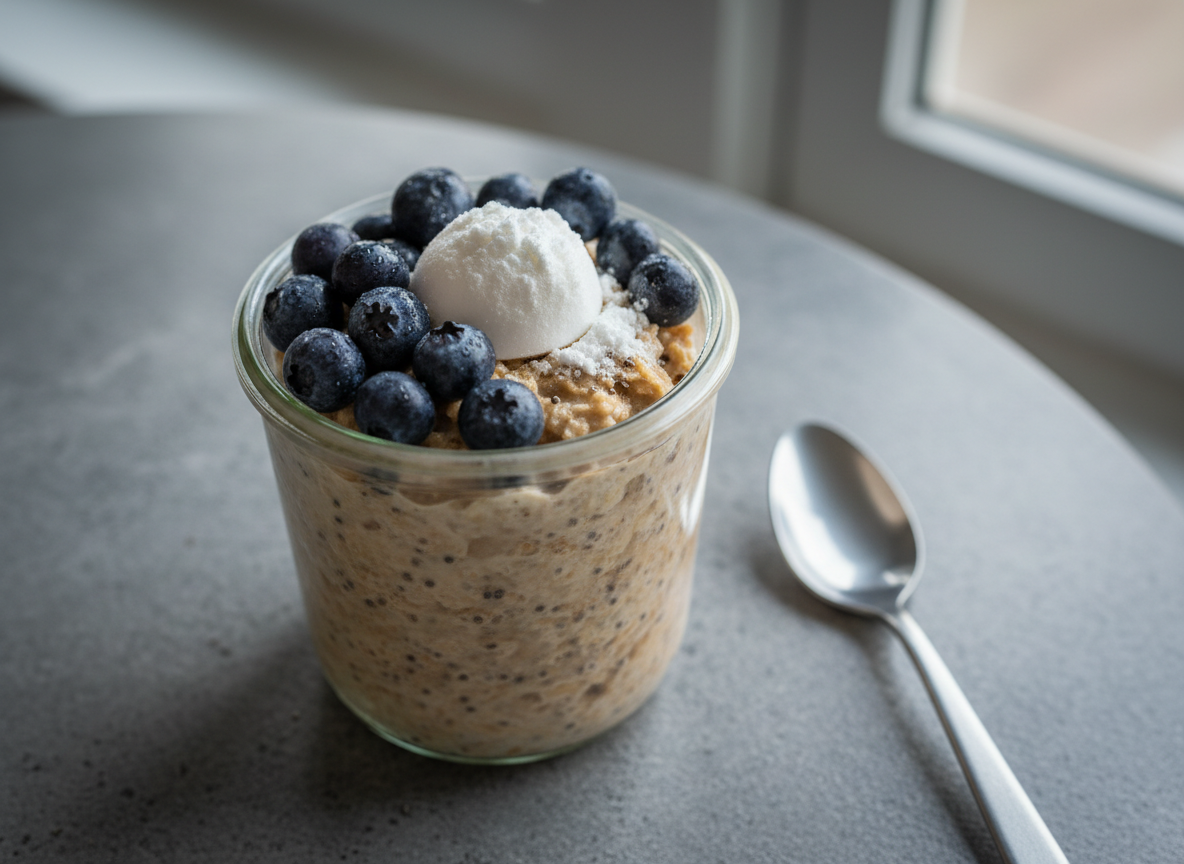
  • Tuna Salad Power Bowl

    Tuna Salad Power Bowl

    Recipe · Cutting / Seafood / High-protein

    Tuna Salad Power Bowl

    A proper bowl of food built on two tins of tuna, a heap of crunchy veg, and a creamy dressing that doesn’t cost you the day — 44 grams of protein for around 350 calories. No cooking, no fuss, just a cold, sturdy plate you can throw together when the cupboard looks bare and you’re too tired to think.

    GoalCut
    Total time10 min
    Servings1 big bowl
    Protein / serving44 g
    Calories / serving350 kcal
    A big bowl of flaked tuna over crunchy salad with a creamy dressing under cold light Plate 01 / Finished

    Tinned tuna and I have a long history. When I was a young man with a stage to climb onto and no money to speak of, tuna was the protein I could afford by the case. I ate it out of the tin standing in the kitchen, fork in one hand, gym bag still on my shoulder. It kept me alive and it kept me on the iron, but I’ll be honest with you — I hated it. Dry, sad, eaten over the sink like a man being punished.

    It took me years to learn the obvious lesson: tuna isn’t the problem, what you do around it is. Give it a creamy dressing that isn’t drowning in calories, pile it on something with real crunch, and add the little sharp things — pickle, lemon, a bit of red onion — that wake the whole thing up. Suddenly it’s not a punishment. It’s a genuinely good lunch that happens to be very kind to your macros.

    This is the bowl I make when the fridge is nearly empty and the day got away from me. No pan, no heat, ten minutes start to finish. Two tins, some veg, a spoon of Greek yogurt doing the work that mayonnaise usually does. It lands light, it fills you up, and you walk away feeling fed rather than robbed. That’s the whole point of this place — you don’t have to suffer to eat well. I’ve got you.

    01Who it’s for & when to eat it

    Tinned tuna is one of the best lean bases a person can keep in the cupboard — cheap, shelf-stable, and absurdly high in protein for the calories. What you build around it decides the job it does. Here’s how I steer it.

    On a cut

    The default bowl

    Two tins of tuna in spring water, a big pile of crunchy veg, and a yogurt-based dressing. Huge volume, low calories, properly filling. This is my go-to desk lunch when the day’s calories are tight.

    On a bulk

    Build it up

    Same bowl over a base of rice or with a warm pitta and a spoon of olive oil through the dressing. Easy clean calories without the heaviness of anything fried. Numbers are in the variations below.

    On TRT

    Steady fuel

    Tuna packed in oil instead of water, a handful of olives, half an avocado folded through. More healthy fats, the same lean protein, a satisfying lunch that keeps you level through the afternoon.

    Timing: this is a cold, no-cook bowl, so it’s brilliant for a packed lunch or a fast meal between things. It travels well in a sealed container and only gets better as the dressing settles into the veg.

    02Ingredients

    Makes 1 big bowl — one generous serving. Doubling for two? Just scale everything up; there’s no cooking to manage, so it’s the easiest recipe I’ve got to batch.

    Servings 1 · adjust on the live recipe card
    • Tinned tuna in spring water, drained2 tins · 240 g · 8.5 oz
    • Cucumber, diced120 g · 4.2 oz
    • Cherry tomatoes, halved100 g · 3.5 oz
    • Mixed leaves or shredded romaine60 g · 2 oz
    • Red onion, finely diced30 g · 1 oz
    • Greek yogurt, 0% fat3 tbsp · 60 g
    • Dijon mustard1 tsp
    • Lemon, juice of½ lemon
    • Pickle or gherkin, chopped optional1 tbsp
    • Black pepperto taste
    • Saltto taste (go light)

    Swaps I actually use: no Greek yogurt? Light mayo works, but it’ll add calories — half yogurt, half mayo is a lovely middle ground. Tinned salmon or shredded leftover chicken swap in for the tuna without changing the bones of the bowl. No fresh tomatoes? A handful of sweetcorn or grated carrot brings the same sweetness and crunch. A few capers instead of pickle add the same sharp little hit for almost no calories.

    03Step by step

    Drain the tuna

    Press out the water properly

    Open both tins and drain them well, pressing the tuna with the lid to squeeze out the spring water. A watery base makes a sad, soupy bowl — get it as dry as you can before it meets the dressing.

    Magnus says: press the tins like you mean it. Dry tuna takes the dressing; wet tuna just dilutes it.

    Tinned tuna being drained and pressed dry
    Make the dressing

    Yogurt, mustard, lemon

    In the bottom of the bowl, stir together the Greek yogurt, Dijon mustard and the lemon juice with a little pepper. You want a creamy, tangy dressing that clings — taste it and adjust the lemon to your liking before anything else goes in.

    Greek yogurt, mustard and lemon stirred into a creamy dressing
    Fold the tuna

    Coat it, don’t mash it

    Flake the drained tuna into the dressing along with the red onion and the chopped pickle if using. Fold it gently so the tuna stays in proper flakes — you’re coating it, not making paste. Season with a light pinch of salt.

    Magnus says: keep some texture. Mashed tuna turns to baby food; flaked tuna eats like a meal.

    Flaked tuna folded into the creamy dressing with red onion
    Build the crunch

    Leaves, cucumber, tomato

    Pile the mixed leaves, diced cucumber and halved cherry tomatoes into the bowl, or scatter them around the dressed tuna. This is where the volume comes from — load it up, it’s nearly free on the calories and it’s what makes the bowl feel like a proper meal.

    Crunchy salad leaves, cucumber and tomato added to the bowl
    Toss and eat

    Bring it all together

    Toss everything together so the creamy tuna coats the veg, taste once more for lemon and pepper, and eat it straight away while the leaves are crisp. A final squeeze of lemon over the top never hurts.

    The finished tuna power bowl tossed and ready to eat

    04The spec sheet

    Real numbers, calculated — not guessed. This makes one big bowl, about 600g of food. Here’s what the whole serving and a flat 100g actually give you.

    Macros — per serving & per 100g
    NutrientPer servingPer 100g
    Energy350 kcal58 kcal
    Protein44.0 g7.3 g
    Carbohydrate16.0 g2.7 g
    — of which sugars9.0 g1.5 g
    Fat11.0 g1.8 g
    — of which saturates2.5 g0.4 g
    Fibre5.0 g0.8 g
    Sodium~0.70 g~0.12 g
    Calorie density
    58 kcal / 100g

    Very low. Tuna and raw veg are almost all protein and water, so you get an enormous bowl for the calories — volume is your best friend on a cut, and this delivers it in spades.

    Protein per 100 kcal
    12.6 g / 100 kcal

    A lifter’s metric, and a strong one. Most of these calories are pure protein — exactly what you want when you’re holding muscle while the scale comes down.

    Key micros (per serving, approx.)
    • Vitamin B12~4.5 µg · 188% DV
    • Selenium~120 µg · 218% DV
    • Vitamin C~25 mg · 28% DV
    • Vitamin D~2.0 µg · 13% DV
    • Niacin (B3)~18 mg · 113% DV
    • Potassium~700 mg · 15% DV

    Macros are calculated from standard food-composition data and will shift a little with your exact ingredients and brands. Micronutrient figures are estimates against general adult Daily Values. Numbers are for guidance, not medical advice — see our Nutrition Disclaimer.

    05Bulk / Cut / TRT variations

    One base, three jobs. The tuna and veg stay the same — you adjust the carbs and fat around them. Macros below are for a full serving.

    Cut

    The lean default

    Tuna in spring water, all yogurt in the dressing, a mountain of raw veg. No grains, no oil. Maximum volume for minimum calories — this is the bowl I live on at my desk when calories are tight.

    350Kcal
    44G Protein
    11G Fat
    Bulk

    Build it up

    Same bowl over 150g cooked rice or with a warm wholemeal pitta, and a spoon of olive oil through the dressing. Clean, easy calories that go down without bloat — great for getting food in around training.

    620Kcal
    48G Protein
    18G Fat
    TRT

    Steady & balanced

    Tuna in oil, half an avocado folded through, a handful of olives. More healthy fats, the same lean protein — full and satisfied for the afternoon without overshooting your day.

    500Kcal
    45G Protein
    26G Fat

    06Meal prep & storage

    This is one of the easiest things in my kitchen to prep ahead — no heat, no last-minute cooking. The only trick is keeping the crunchy veg and the dressed tuna a little separate until you’re ready to eat.

    Fridge
    3 days

    Dressed tuna keeps well in an airtight container for up to three days. Store the leaves separately so they don’t wilt, and toss them through just before eating.

    Freezer
    Not ideal

    I don’t freeze this — the yogurt splits and the veg turns to mush on thawing. It’s a fresh bowl; keep tins in the cupboard and build it to order.

    Make-ahead
    2 min

    Mix the dressed tuna in the morning, pack the veg on top, and shake it together at lunch. Barely any effort and it tastes properly made.

    If you’re prepping for the week, my honest advice is to make a double or triple batch of the dressed tuna and keep cut veg in a separate tub. Two minutes to assemble each day, and you’ve got a high-protein lunch that beats anything you’d buy at a shop counter.

    Free · the 7-day “Get Fed” plan

    Want a whole week built around food like this?

    Drop your email and I’ll send you my free 7-day plan — meals, macros already counted, grocery list written. No spam, no lectures.

    No spam. Unsubscribe whenever. See what’s in the plan →

    07Common questions

    Is tinned tuna actually good protein? +

    It really is. Tuna in spring water is one of the leanest, highest-protein foods you can keep in a cupboard — around 25g of protein per drained tin for barely any calories or fat. It’s cheap, it lasts forever, and two tins gets you most of the way to a full meal’s worth of protein. I’ve leaned on it for twenty years.

    How much tuna is safe to eat? +

    Tuna does contain some mercury, so it’s sensible not to eat it every single day. UK and US health guidance suggests limiting tuna to a few servings a week, and being more careful if you’re pregnant. I rotate it with salmon, chicken and eggs so I’m never leaning on one protein. Check current NHS or FDA guidance if you’re unsure — that’s the honest answer.

    Can I use mayonnaise instead of yogurt? +

    You can, but it’ll cost you. A tablespoon of full-fat mayo adds roughly 90 calories of pure fat, which on a cut adds up fast. Greek yogurt gives you the same creaminess for a fraction of that, plus a little extra protein. If you miss the richness, do half yogurt and half light mayo — best of both.

    How do I turn this into a proper bulk meal? +

    Add carbs and a touch more fat. Serve the bowl over 150g of cooked rice or with a warm wholemeal pitta, and stir a spoon of olive oil into the dressing. That takes it from around 350 to roughly 620 calories with 48g protein — clean calories that go down easy. See the Bulk variation above for the full numbers.

    Will this keep for a packed lunch? +

    Beautifully. The dressed tuna actually improves after a few hours in the fridge as the flavours settle. My only tip is to keep the salad leaves in a separate pocket of the container and toss them through right before you eat, so they stay crisp rather than going limp.

    From my 7-day Cut plan

    This bowl lives inside a full week of meals.

    This tuna power bowl is one lunch in my 7-day cutting plan — seven days of high-protein, low-calorie meals with the macros counted and the grocery list written. You pick the goal; I do the maths.

    See the cutting meal plan
    Tuna power bowl portioned as part of a cutting meal plan under cold light

    08Pairs well with

    Browse all recipes →

    Magnus Olafsson in his kitchen — bald, bearded and broad, in his pink apron, under cold light
    About the author

    Magnus Olafsson

    I’m Magnus — twenty years under the iron, from a cold gym in Stockholm to the classic-physique stage, and now mostly in my kitchen in a pink apron. I’ve cut for shows, bulked through winters, and I’ve been on TRT since I was thirty-five. I know what it takes to eat for the body you’re chasing, and I know it shouldn’t come with a side of shame.

    Everything here is food I actually cook and macros I actually count. I don’t diagnose, I don’t promise, and I never make a number up. I just feed you well and tell you the truth.

    NPC Illinois NPC Classic Physique On TRT since 35 20 years training

    Slim Diet Era shares recipes and general nutrition information. It is not medical or dietetic advice, and we do not provide guidance on obtaining or using any controlled substance. See our Medical Disclaimer and Nutrition Disclaimer.
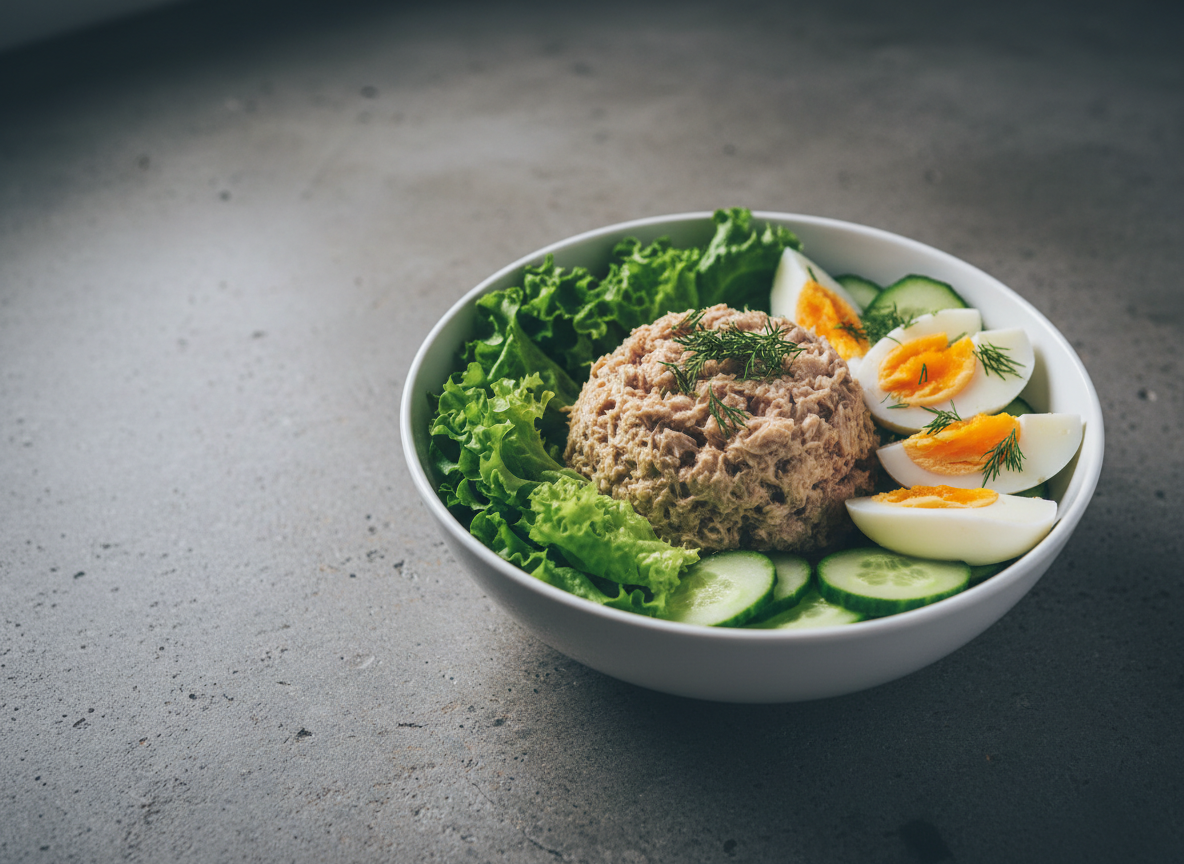
  • Egg-White and Spinach Omelette

    Egg-White and Spinach Omelette

    Recipe · Cutting / Breakfast / High-protein

    Egg-White and Spinach Omelette

    A soft, fluffy egg-white omelette folded around wilted spinach — 34 grams of protein for just 290 calories, the lean breakfast that doesn’t taste like a compromise. Five minutes, one pan, the gentlest start to a cutting day.

    GoalCut
    Total time10 min
    Servings1 omelette
    Protein / serving34 g
    Calories / serving290 kcal
    A soft folded egg-white omelette with wilted spinach and a little cheese, plated under cold light Plate 01 / Finished

    The egg-white omelette has a reputation as the saddest breakfast on earth — pale, rubbery, beige, the thing you eat when you’ve given up on joy. And honestly, made carelessly, that reputation is earned. But it’s not the egg whites’ fault. It’s the cooking. I watched a teammate backstage at a show in Stockholm fry his whites on a blazing pan until they squeaked, and I thought, no wonder people hate these. There’s a much better way, and once you know it you never go back.

    Egg whites are delicate — they need low, gentle heat and to come off the pan the moment they’re set, not a second later. Treat them that way and instead of rubber you get something soft, almost custardy, that folds into pillowy layers. A handful of spinach wilted in first adds colour and a savoury green note, a little cheese melts through for richness, and suddenly the saddest breakfast becomes one I actually look forward to on a cutting morning.

    This lands at 34 grams of protein for 290 calories, love, and it’s about as lean and gentle as a real meal gets. It’s five minutes, one pan, and it sits light enough that you can train an hour later without feeling weighed down. The egg-white omelette doesn’t have to be a punishment — cooked with a little care, it’s a genuinely lovely start to the day. I’ve got you on this one.

    01Who it’s for & when to eat it

    The egg-white base stays the same — you add yolks, cheese or carbs around it to suit your goal. Here’s how I steer it.

    On a cut

    The default plate

    Pure egg whites, wilted spinach, just a little cheese for flavour. Very high protein, very low calories and fat — my go-to lean breakfast when the deficit is tight and I want to feel light all morning.

    On a bulk

    Add the yolks & toast

    Fold in a couple of whole eggs and more cheese, serve on buttered wholegrain toast or with potatoes. Same base, far more calories. See the variations below for numbers.

    On TRT

    Steady fuel

    Keep one whole egg with the whites, add a slice of toast and some avocado. Balanced protein, carbs and healthy fat for a gentle, satisfying breakfast.

    Timing: a perfect light breakfast — gentle, fast-digesting protein that won’t sit heavy before a morning session. It’s also a quick, lean lunch or even a tired-evening dinner when you want something easy.

    02Ingredients

    Makes 1 omelette. Carton egg whites make this fast and consistent; fresh-separated work just as well. The whole recipe lives or dies on gentle heat. Double every line for two.

    Servings 1 · adjust on the live recipe card
    • Egg whites about 6200 ml · 7 oz
    • Baby spinach2 handfuls · 60 g
    • Reduced-fat cheese, grated20 g · ¾ oz
    • Garlic, grated optional1 small clove
    • Olive oil or spray1 tsp · 5 ml
    • Fresh chives or parsleyto finish
    • Cherry tomatoes optionala few, halved
    • Black pepperto taste
    • Saltto taste (go light)
    • Chilli flakes optionala pinch

    Swaps I actually use: on a slightly less strict day I keep one whole egg in with the whites — it makes the omelette richer and softer for only a little more fat. Swap spinach for mushrooms, peppers, or wilted kale. A spoon of cottage cheese folded in adds creaminess and even more protein. Skip the cheese entirely on a deep cut and lean on herbs and chilli for flavour instead.

    03Step by step

    Wilt the spinach

    Soften it first, off to the side

    Warm the oil in a non-stick pan over a low-medium heat and add the spinach (and garlic if using). Toss for a minute until just wilted, then tip it onto a plate. Doing this first stops the omelette overcooking while the spinach catches up.

    Magnus says: wilt the spinach separately. Throwing raw spinach into the eggs floods the pan with water and makes them weep.

    Baby spinach wilting in a non-stick pan over gentle heat
    Season the whites

    Whisk with a little air

    Pour the egg whites into a bowl with a pinch of salt and pepper and whisk them well — a bit of air now means a lighter, fluffier omelette. They should look loose and slightly frothy.

    Egg whites being whisked with salt and pepper until loose and frothy
    Low heat

    Pour into a gentle pan

    Wipe the pan, set it back over a low heat, and pour in the whites. The heat must be gentle — egg whites turn to rubber over high heat in seconds. Low and slow is the entire secret to a soft omelette.

    Magnus says: if the pan is hissing, it’s too hot. Egg whites want patience, not aggression.

    Whisked egg whites poured into a gently heated non-stick pan
    Coax it

    Pull the edges, tilt the pan

    As the edges set, gently pull them toward the centre with a spatula and tilt the pan so the runny white flows underneath to cook. Repeat around the pan until the omelette is almost set on top with just a touch of softness left.

    The setting omelette being coaxed with a spatula as the pan is tilted
    Fill it

    Spinach and cheese on one half

    While the top is still slightly soft, scatter the wilted spinach and the grated cheese over one half of the omelette. The residual heat will melt the cheese in the next thirty seconds, so don’t wait for it to brown.

    Wilted spinach and grated cheese scattered over one half of the soft omelette
    Fold & serve

    Fold over, slide onto the plate

    Fold the empty half over the filling, let it sit for a few seconds to finish, then slide it onto a plate. Finish with chives, a crack of pepper, a pinch of chilli and a few halved tomatoes if you like. Eat it straight away while it’s soft.

    Magnus says: take it off the heat while it still looks a touch underdone — it keeps cooking on the plate, and that’s how you dodge the rubber.

    The finished folded omelette plated with chives and tomatoes under cold light

    04The spec sheet

    Real numbers, calculated — not guessed. The recipe makes 1 omelette, about 270g of finished food. Here’s what one serving and a flat 100g actually give you.

    Macros — per serving & per 100g
    NutrientPer servingPer 100g
    Energy290 kcal107 kcal
    Protein34.0 g12.6 g
    Carbohydrate5.0 g1.9 g
    — of which sugars2.5 g0.9 g
    Fat14.0 g5.2 g
    — of which saturates4.5 g1.7 g
    Fibre2.0 g0.7 g
    Sodium~0.55 g~0.20 g
    Calorie density
    107 kcal / 100g

    Very low. Egg whites are almost pure protein with barely any calories, and the spinach adds volume for next to nothing — a genuinely filling breakfast on a tight budget.

    Protein per 100 kcal
    11.7 g / 100 kcal

    Excellent. Egg whites are one of the most protein-dense foods there is, so this is about as efficient a protein hit as breakfast gets on a cut.

    Key micros (per serving, approx.)
    • Riboflavin (B2)~0.7 mg · 54% DV
    • Selenium~22 µg · 40% DV
    • Vitamin K~145 µg · 121% DV
    • Folate~90 µg · 23% DV
    • Calcium~180 mg · 18% DV
    • Vitamin A~210 µg · 23% DV

    Macros are calculated from standard food-composition data and will shift a little with your exact ingredients and brands. Micronutrient figures are estimates against general adult Daily Values. Numbers are for guidance, not medical advice — see our Nutrition Disclaimer.

    05Bulk / Cut / TRT variations

    One omelette, three jobs. The egg-white base stays the same — you add yolks, cheese and carbs or keep it pared back. Macros below are for a full serving.

    Cut

    The lean default

    Pure egg whites, wilted spinach, just a little reduced-fat cheese, cooked in a spray of oil. Very high protein, very low calories and fat — the lightest, leanest breakfast I make.

    230Kcal
    33G Protein
    7G Fat
    Bulk

    Yolks, cheese & toast

    Fold two whole eggs in with the whites, add more cheese, and serve on buttered wholegrain toast or with potatoes. Turns a light breakfast into a calorie-dense one while keeping the protein high.

    620Kcal
    42G Protein
    28G Fat
    TRT

    Steady & balanced

    Keep one whole egg with the whites, add a slice of wholegrain toast and some avocado. Balanced protein, carbs and healthy fat for a gentle, satisfying start to the day.

    460Kcal
    36G Protein
    22G Fat

    06Meal prep & storage

    An omelette is best fresh and soft, so I rarely store the cooked thing. But the egg-white-and-spinach idea preps beautifully as baked muffins, which is the make-ahead version I actually lean on.

    Fridge
    3 days

    If you do store a cooked omelette, keep it airtight and eat it cold or barely warmed — reheating hard turns egg whites rubbery fast.

    Muffin batch
    4 days

    Pour the seasoned whites with spinach and cheese into a muffin tin and bake at 180°C for 18 minutes. They keep four days and reheat far better than a folded omelette.

    Reheat
    1 min

    Warm muffins for under a minute in the microwave — just to take the chill off. Gentle is the rule with any cooked egg white.

    For genuine meal prep I make the muffin version — same whites, same spinach and cheese, baked in a tin — because they hold and reheat without going rubbery. The folded omelette is a five-minute fresh thing; the muffins are the batch-cook cousin that feeds you all week.

    Free · the 7-day “Get Fed” plan

    Want a whole week built around food like this?

    Drop your email and I’ll send you my free 7-day plan — meals, macros already counted, grocery list written. No spam, no lectures.

    No spam. Unsubscribe whenever. See what’s in the plan →

    07Common questions

    Why does my egg-white omelette go rubbery? +

    High heat, every time. Egg whites are mostly protein, and protein toughens fast when it’s cooked hard. Keep the pan on a low heat, coax the omelette gently, and take it off while the top still looks a touch soft — it finishes cooking on the plate. Patience is the whole fix.

    Can I use carton egg whites? +

    Yes, and they’re brilliant for convenience and consistency — no separating, no wasted yolks. About 200ml is roughly six whites. Fresh-separated whites work exactly the same; just save the yolks for another meal if you’re keeping it lean.

    Is an all-egg-white omelette worth it, or should I keep the yolks? +

    It depends on your goal. Yolks carry good nutrients and flavour but also the fat and calories. On a tight cut, all-whites gives you maximum protein for minimum calories. On a bulk or a normal day, keeping a yolk or two adds richness and nutrition for a little more energy. Neither is “good” or “bad” — it’s just maths.

    How do I add more flavour without more calories? +

    Lean on aromatics and herbs — garlic, chives, parsley, chilli flakes, black pepper, a little hot sauce. Wilted mushrooms or peppers add savoury depth for almost nothing. A spoon of cottage cheese folded in boosts both creaminess and protein. The whites are a canvas; the seasoning does the work.

    Can I make this ahead for the week? +

    The folded omelette is best fresh, but the same mixture baked in a muffin tin preps perfectly — pour the seasoned whites with spinach and cheese into the tin, bake at 180°C for about 18 minutes, and you’ve got grab-and-go protein for four days. They reheat far better than a stored omelette.

    From my 7-day Cut plan

    This omelette lives inside a full week of meals.

    This egg-white omelette is one breakfast in my 7-day cutting plan — seven days of high-protein, low-calorie meals with the macros counted and the grocery list written. You pick the goal; I do the maths.

    See the cutting meal plan
    An egg-white and spinach omelette from the 7-day cutting meal plan under cold light

    08Pairs well with

    Browse all recipes →

    Magnus Olafsson in his kitchen — bald, bearded and broad, in his pink apron, under cold light
    About the author

    Magnus Olafsson

    I’m Magnus — twenty years under the iron, from a cold gym in Stockholm to the classic-physique stage, and now mostly in my kitchen in a pink apron. I’ve cut for shows, bulked through winters, and I’ve been on TRT since I was thirty-five. I know what it takes to eat for the body you’re chasing, and I know it shouldn’t come with a side of shame.

    Everything here is food I actually cook and macros I actually count. I don’t diagnose, I don’t promise, and I never make a number up. I just feed you well and tell you the truth.

    NPC Illinois NPC Classic Physique On TRT since 35 20 years training

    Slim Diet Era shares recipes and general nutrition information. It is not medical or dietetic advice, and we do not provide guidance on obtaining or using any controlled substance. See our Medical Disclaimer and Nutrition Disclaimer.
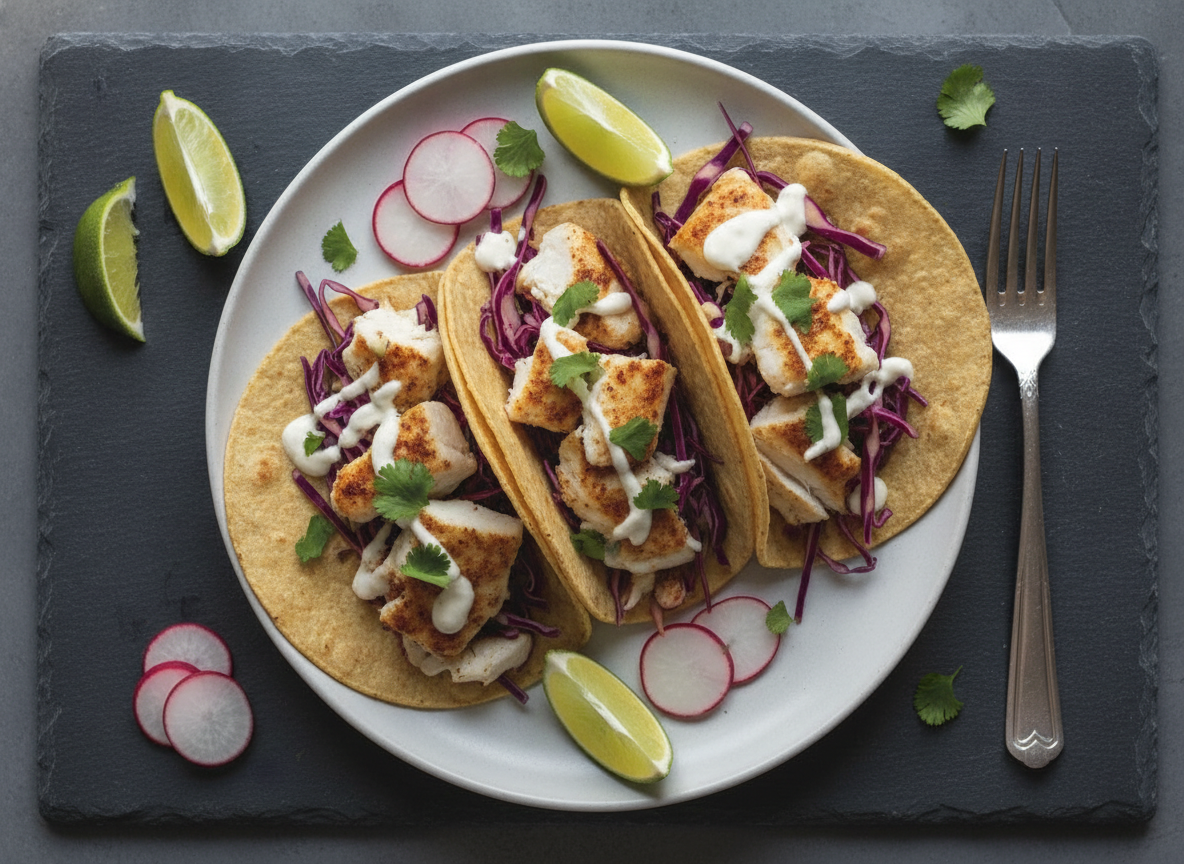
  • Turkey Lettuce Wraps

    Turkey Lettuce Wraps

    Recipe · Cutting / Poultry / High-protein

    Turkey Lettuce Wraps

    Savoury, gingery turkey mince spooned into crisp lettuce cups — 38 grams of protein for just 330 calories, all the flavour of a takeaway with none of the carbs to fill you up first. Fun to eat, fast to make, ruthless on the macros.

    GoalCut
    Total time20 min
    Servings2 plates
    Protein / serving38 g
    Calories / serving330 kcal
    Crisp lettuce cups filled with savoury gingery turkey mince and scattered with spring onion, plated under cold light Plate 01 / Finished

    There’s a particular trick to eating on a cut that took me far too long to learn: make the meal fun to eat, and your brain stops noticing how little is actually on the plate. A pile of food on a fork feels like a chore. The same food that you have to build, scoop and eat with your hands feels like a treat. It sounds daft, but it’s true, and these wraps are the proof.

    I first made them on a strict week when I was craving the savoury, gingery hit of a takeaway but couldn’t spare the calories for the rice and the wrapper underneath. So I cooked the spiced turkey mince anyway — garlic, ginger, soy, a little chilli — and spooned it straight into crisp lettuce cups instead. The cold crunch of the lettuce against the hot savoury turkey was so good I genuinely didn’t miss the carbs. And building each little cup at the table slows you right down, which is its own quiet help when you’re hungry.

    This lands at 38 grams of protein for 330 calories, love, and it’s one of the most genuinely enjoyable cutting meals I make. It’s quick, it’s playful, it’s packed with flavour, and it leaves you feeling like you had something fun rather than something restrictive. On a hard week, that feeling is worth a lot. Cook it once and I think you’ll keep reaching for it. I’ve got you.

    01Who it’s for & when to eat it

    The spiced turkey stays the same — you change what you wrap it in to suit your goal. Here’s how I steer it.

    On a cut

    The default plate

    Spiced turkey in crisp lettuce cups, no carbs underneath. Very high protein, very low calories, fun to eat with your hands. My go-to when I want a takeaway feeling on a deficit.

    On a bulk

    Add the rice

    Same turkey served over rice or in proper tortillas, with cashews and a drizzle of sesame oil. Turns the light cups into a calorie-dense bowl. See the variations below for numbers.

    On TRT

    Steady portion

    The turkey in lettuce cups with a small scoop of rice on the side and some avocado. Balanced carbs and healthy fat alongside the lean protein, easy on the day.

    Timing: a great light dinner or a fun lunch — high protein and quick to make. Pack the turkey and the lettuce separately and it’s an easy assemble-at-your-desk meal too.

    02Ingredients

    Makes 2 plates. Lean turkey mince keeps it light; the aromatics do the heavy lifting on flavour. Use sturdy lettuce leaves that hold a filling. Scale every line for more.

    Servings 2 · adjust on the live recipe card
    • Lean turkey mince 5% fat350 g · 12.3 oz
    • Little gem or baby cos lettuce2 heads
    • Garlic, grated3 cloves
    • Fresh ginger, grated1 tbsp · 10 g
    • Soy sauce reduced-salt2 tbsp · 30 ml
    • Rice vinegar1 tbsp · 15 ml
    • Sriracha or chilli optional1 tsp
    • Water chestnuts chopped, optional60 g
    • Sesame oil1 tsp · 5 ml
    • Spring onion, carrot & sesameto finish

    Swaps I actually use: lean chicken mince works exactly the same; firm crumbled tofu makes a good plant version. No water chestnuts? Diced celery or finely chopped pepper give the same crunch through the filling. Swap the rice vinegar for a squeeze of lime. For sturdier wraps, the inner leaves of a romaine or a butter lettuce hold their shape beautifully.

    03Step by step

    Prep the cups

    Separate and crisp the leaves

    Pull the lettuce apart into whole leaves, rinse them, and pat them properly dry — wet leaves go limp and won’t hold the filling. A few minutes in cold water then a good dry keeps them crisp and cupped.

    Magnus says: dry leaves are crisp leaves. A soggy cup collapses the moment you fill it.

    Lettuce leaves separated into cups, rinsed and patted dry on a board
    Brown the turkey

    Cook it hard, get some colour

    Heat a dry or lightly oiled pan over a high heat and add the turkey mince. Break it up and let it sit long enough to catch and brown in places — lean turkey can taste flat if you just steam it grey, so chase a bit of colour.

    Turkey mince browning hard in a hot pan, broken into crumbles
    Aromatics

    Garlic and ginger in

    Once the turkey’s browned, push it to one side and add the garlic and ginger to the hot pan. Let them sizzle for thirty seconds until fragrant, then stir them through the meat. This is where the takeaway flavour comes from.

    Grated garlic and ginger sizzling and being stirred through the browned turkey
    Season

    Soy, vinegar, chilli

    Pour in the soy, rice vinegar and sriracha if using, and toss everything together. Let it bubble for a minute so the turkey soaks up the savoury, tangy flavour and the liquid mostly cooks off — you want it juicy, not wet.

    Magnus says: cook off the excess liquid or it’ll make the lettuce soggy. A juicy, glossy filling is the goal.

    Soy and vinegar being tossed through the turkey until glossy and savoury
    Crunch & finish

    Water chestnuts, sesame oil

    Stir in the chopped water chestnuts for crunch and finish with the sesame oil off the heat. Taste and adjust — a little more soy for salt, a squeeze of lime for brightness, more chilli for heat if you like it.

    Chopped water chestnuts and sesame oil stirred through the finished turkey filling
    Serve

    Spoon into cups, build at the table

    Pile the hot turkey into a bowl and bring it to the table with the crisp lettuce cups, spring onion, grated carrot and sesame seeds. Let everyone build their own — that’s half the fun, and it slows the meal right down.

    Magnus says: serve it deconstructed and let people fill their own cups. It’s more fun and you eat slower, which is no bad thing.

    The finished turkey filled into crisp lettuce cups with garnishes under cold light

    04The spec sheet

    Real numbers, calculated — not guessed. The recipe makes 2 plates, about 560g of finished food total. Here’s what one serving (~280g) and a flat 100g actually give you.

    Macros — per serving & per 100g
    NutrientPer servingPer 100g
    Energy330 kcal118 kcal
    Protein38.0 g13.6 g
    Carbohydrate12.0 g4.3 g
    — of which sugars5.0 g1.8 g
    Fat13.0 g4.6 g
    — of which saturates3.0 g1.1 g
    Fibre3.0 g1.1 g
    Sodium~0.95 g~0.34 g
    Calorie density
    118 kcal / 100g

    Very low. With no carb base under the filling and crisp lettuce doing the wrapping, you get a fun, hands-on meal that barely dents your calorie budget.

    Protein per 100 kcal
    11.5 g / 100 kcal

    Excellent. Lean turkey mince makes this very protein-dense — a real help for holding muscle while you keep the calories tight.

    Key micros (per serving, approx.)
    • Niacin (B3)~12 mg · 75% DV
    • Vitamin B6~1.0 mg · 59% DV
    • Selenium~38 µg · 69% DV
    • Vitamin A~280 µg · 31% DV
    • Phosphorus~300 mg · 43% DV
    • Zinc~3 mg · 27% DV

    Macros are calculated from standard food-composition data and will shift a little with your exact ingredients and brands. Micronutrient figures are estimates against general adult Daily Values. Numbers are for guidance, not medical advice — see our Nutrition Disclaimer.

    05Bulk / Cut / TRT variations

    One filling, three jobs. The spiced turkey stays the same — you change what’s under or around it. Macros below are for a full serving.

    Cut

    The lean default

    Spiced turkey in crisp lettuce cups, no carbs, just the aromatics and a teaspoon of sesame oil. Very high protein, very low calories, and genuinely fun to eat on a deficit.

    330Kcal
    38G Protein
    13G Fat
    Bulk

    Over rice or in tortillas

    The same turkey served over a full portion of rice or wrapped in proper tortillas, with a handful of cashews and an extra drizzle of sesame oil. A calorie-dense version that keeps the protein high.

    640Kcal
    44G Protein
    22G Fat
    TRT

    Steady & balanced

    The turkey cups with a small scoop of rice on the side and some avocado. Balanced carbs and healthy fat alongside the lean protein — satisfying without overshooting the day.

    500Kcal
    41G Protein
    20G Fat

    06Meal prep & storage

    This preps beautifully if you keep the parts apart. The turkey filling actually tastes better the next day once the flavours have settled, and the lettuce stays crisp if it’s stored dry and separate.

    Fridge
    4 days

    Store the cooked turkey filling in an airtight container; keep the lettuce washed, dried and wrapped separately so it stays crisp.

    Freezer
    3 months

    The turkey filling freezes well. Portion it flat in bags and thaw overnight in the fridge; assemble with fresh lettuce.

    Reheat
    3 min

    Reheat the filling in a pan or microwave until hot, then build fresh cups. Never reheat it inside the lettuce — the leaves wilt.

    For meal prep this is one of my favourites because the filling keeps so well — I make a big batch, store the lettuce dry on the side, and assemble fun, crisp wraps in two minutes whenever I want them. The hands-on assembly never gets old.

    Free · the 7-day “Get Fed” plan

    Want a whole week built around food like this?

    Drop your email and I’ll send you my free 7-day plan — meals, macros already counted, grocery list written. No spam, no lectures.

    No spam. Unsubscribe whenever. See what’s in the plan →

    07Common questions

    What lettuce holds up best as a wrap? +

    Sturdy, cupped leaves — little gem, baby cos, romaine hearts, or butter lettuce. You want something with enough structure to hold a spoon of filling without tearing. Wash and dry the leaves well; crisp, dry cups hold their shape, soggy ones collapse.

    How do I stop lean turkey tasting bland? +

    Two things: brown it properly so it catches some colour rather than steaming grey, and lean hard on the aromatics — garlic, ginger, soy, a little chilli and sesame oil all wake it up. Lean turkey is a blank canvas, so the flavour has to come from the seasoning, and these do plenty of it.

    Can I use chicken or tofu instead? +

    Yes to both. Lean chicken mince behaves exactly like turkey. For a plant version, crumble firm tofu and brown it hard so it firms up and takes on the sauce. Adjust the macros for whichever you use, but the method stays the same.

    How do I turn this into a bulk meal? +

    Serve the turkey over a full portion of rice or in proper tortillas, and add cashews and a drizzle of sesame oil. That takes a serving from around 330 calories up to roughly 640 with more protein. See the Bulk variation above for the numbers.

    Can I make the filling ahead? +

    Absolutely — it’s better for it. The filling keeps for four days in the fridge and the flavours deepen overnight. Store the lettuce washed, dried and separate, then reheat the turkey and build fresh cups when you’re ready. It’s one of the easiest meals to prep this way.

    From my 7-day Cut plan

    These wraps live inside a full week of meals.

    These turkey wraps are one plate in my 7-day cutting plan — seven days of high-protein, low-calorie meals with the macros counted and the grocery list written. You pick the goal; I do the maths.

    See the cutting meal plan
    Turkey lettuce wraps from the 7-day cutting meal plan under cold light

    08Pairs well with

    Browse all recipes →

    Magnus Olafsson in his kitchen — bald, bearded and broad, in his pink apron, under cold light
    About the author

    Magnus Olafsson

    I’m Magnus — twenty years under the iron, from a cold gym in Stockholm to the classic-physique stage, and now mostly in my kitchen in a pink apron. I’ve cut for shows, bulked through winters, and I’ve been on TRT since I was thirty-five. I know what it takes to eat for the body you’re chasing, and I know it shouldn’t come with a side of shame.

    Everything here is food I actually cook and macros I actually count. I don’t diagnose, I don’t promise, and I never make a number up. I just feed you well and tell you the truth.

    NPC Illinois NPC Classic Physique On TRT since 35 20 years training

    Slim Diet Era shares recipes and general nutrition information. It is not medical or dietetic advice, and we do not provide guidance on obtaining or using any controlled substance. See our Medical Disclaimer and Nutrition Disclaimer.