Category: Cutting

  • Shrimp and Vegetable Stir-Fry

    Shrimp and Vegetable Stir-Fry

    Recipe · Cutting / Seafood / High-protein

    Shrimp and Vegetable Stir-Fry

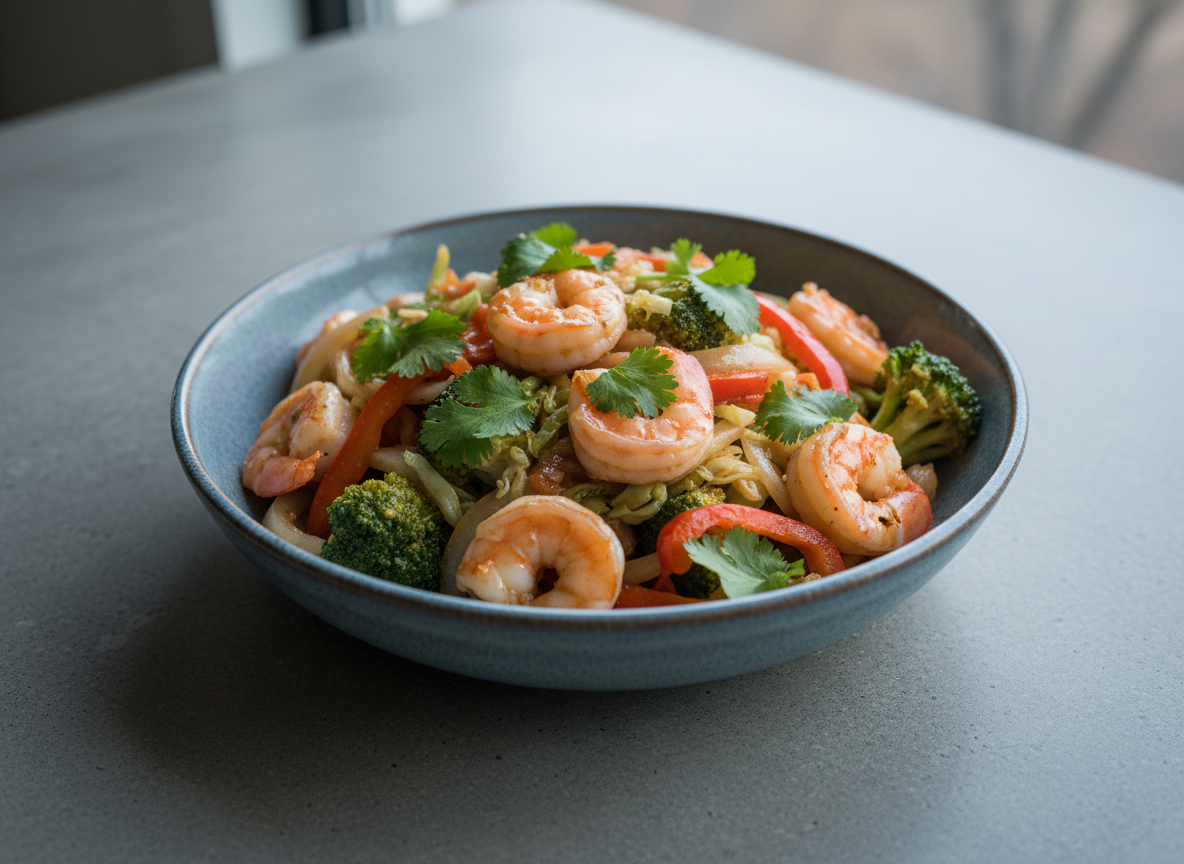
    A fast, glossy stir-fry packed with crunchy veg and sweet, just-cooked shrimp — 40 grams of protein for 380 calories, on the table in fifteen minutes. The cutting dinner for nights when you’ve got nothing left in the tank.
    GoalCut
    Total time15 min
    Servings2 bowls
    Protein / serving40 g
    Calories / serving380 kcal
    A glossy shrimp and vegetable stir-fry with peppers, broccoli and snap peas, plated under cold light Plate 01 / Finished

    The stir-fry is the meal that’s saved more of my cutting weeks than anything else, and it’s purely because of speed. There’s a specific evening that ends a lot of diets — you’ve trained, you’re knackered, you’re hungry, and the gap between “I should cook something good” and “I’ll just grab whatever” is about ten minutes wide. Most healthy meals can’t be made in that window. A stir-fry can. That’s the whole reason it earns its place.

    Shrimp are perfect for it because they cook in roughly ninety seconds. By the time the veg is bright and crisp-tender, the shrimp have turned pink and sweet, and the whole thing is done before you’ve had time to talk yourself out of it. You get a wokful of colour and crunch, a glossy savoury sauce you control completely, and a genuinely high-protein meal — all faster than waiting for a takeaway to arrive, and a fraction of the calories.

    This lands at 40 grams of protein for 380 calories, love, and it eats like a feast — big, hot, bright, satisfying. It’s my answer to that dangerous tired-and-hungry moment, and it’s a good answer. Keep a bag of frozen shrimp and some veg in the freezer and you’re never more than fifteen minutes from a proper cutting dinner. I’ve got you on this one.

    01Who it’s for & when to eat it

    The shrimp, veg and sauce stay the same — you add a carb base or keep it pared back to suit your goal. Here’s how I steer it.

    On a cut

    The default bowl

    Shrimp and a mountain of crunchy veg in a light glossy sauce, no rice. Huge volume, lots of protein, very low calories. My go-to on a tired training night when I want to eat a lot.

    On a bulk

    Add the rice

    Same stir-fry over a full portion of rice or noodles, with a little extra oil and some cashews. Turns the light bowl into a calorie-dense plate. See the variations below for numbers.

    On TRT

    Steady portion

    The stir-fry over a moderate scoop of rice with a teaspoon of sesame oil. Balanced carbs and protein, plenty of veg, easy to digest for an evening meal.

    Timing: a brilliant post-training dinner — fast protein and a load of veg when you’ve got no energy left to cook. It’s at its best fresh and hot, but the leftovers reheat fine for a quick lunch.

    02Ingredients

    Makes 2 bowls. Speed is the whole point, so have everything chopped and the sauce mixed before the pan goes on. Scale every line for more.

    Servings 2 · adjust on the live recipe card
    • Raw shrimp peeled350 g · 12.3 oz
    • Mixed stir-fry veg400 g · 14 oz
    • Soy sauce reduced-salt2 tbsp · 30 ml
    • Oyster sauce1 tbsp · 15 ml
    • Garlic, grated3 cloves
    • Fresh ginger, grated1 tbsp · 10 g
    • Cornstarch to thicken1 tsp · 3 g
    • Sesame oil1 tsp · 5 ml
    • Cooking oil high heat1 tbsp · 15 ml
    • Spring onion & sesame seedsto finish

    Swaps I actually use: frozen shrimp are brilliant here — just thaw and pat dry. Any quick-cooking protein works: sliced chicken, tofu, or strips of beef. Use whatever crunchy veg you’ve got — peppers, broccoli, snap peas, carrots, baby corn. No oyster sauce? A little extra soy with a pinch of sugar does a similar savoury-sweet job. Tamari keeps it gluten-free.

    03Step by step

    Mise en place

    Chop and mix everything first

    Stir-fry happens fast, so do all the prep before the heat goes on. Chop the veg, pat the shrimp dry, and whisk the soy, oyster sauce, garlic, ginger and the cornstarch (slaked in a tablespoon of water) together in a bowl.

    Magnus says: this is the one rule of stir-fry. Everything ready before the wok gets hot, or you’ll burn something while you chop.

    Chopped vegetables, dried shrimp and a bowl of sauce all prepped before cooking
    Cook the shrimp

    Hot wok, fast and pink

    Get the wok or wide pan ripping hot with half the cooking oil. Add the shrimp in one layer and cook for about a minute each side until just pink and opaque. Pull them straight out — they only need a moment, and overcooked shrimp go rubbery.

    Magnus says: shrimp cook in seconds. The instant they turn pink and curl, they’re done. Get them out.

    Shrimp cooking fast in a hot wok and turning pink and opaque
    Fire the veg

    Hard veg first, keep it moving

    Add the rest of the oil and tip in the harder veg first — broccoli, carrot, peppers. Toss them constantly over the high heat for two or three minutes until bright and crisp-tender, then add any quick veg like snap peas for the last minute.

    Bright vegetables being tossed in a hot wok over high heat
    Sauce it

    Pour it in, let it gloss

    Pour the sauce over the veg. It’ll bubble and thicken in seconds thanks to the cornstarch — toss everything so it’s evenly coated and glossy. Don’t let it cook down to glue; a few seconds is all it needs.

    A glossy sauce thickening over the vegetables in the wok
    Reunite

    Shrimp back in, toss to warm

    Return the shrimp to the wok and toss for thirty seconds, just long enough to coat them in sauce and warm them through. Any longer and they’ll overcook, so keep it quick.

    Cooked shrimp tossed back through the glossy vegetables in the wok
    Finish

    Sesame oil, spring onion, eat hot

    Off the heat, drizzle over the sesame oil for that final aromatic lift, scatter with spring onion and sesame seeds, and serve straight away while everything’s hot and crunchy.

    Magnus says: the sesame oil goes in at the very end, off the heat — it’s a finishing flavour, not a cooking one.

    The finished shrimp stir-fry scattered with spring onion and sesame under cold light

    04The spec sheet

    Real numbers, calculated — not guessed. The recipe makes 2 bowls, about 700g of finished food total. Here’s what one serving (~350g) and a flat 100g actually give you.

    Macros — per serving & per 100g
    NutrientPer servingPer 100g
    Energy380 kcal109 kcal
    Protein40.0 g11.4 g
    Carbohydrate20.0 g5.7 g
    — of which sugars9.0 g2.6 g
    Fat14.0 g4.0 g
    — of which saturates2.0 g0.6 g
    Fibre6.0 g1.7 g
    Sodium~1.10 g~0.31 g
    Calorie density
    109 kcal / 100g

    Very low. A wokful of veg and lean shrimp means you can eat a huge, satisfying bowl on a deficit — exactly the kind of volume that makes a cut bearable.

    Protein per 100 kcal
    10.5 g / 100 kcal

    Excellent. Shrimp are nearly pure protein, so even with the veg and sauce this stays one of the most protein-dense quick dinners going.

    Key micros (per serving, approx.)
    • Vitamin B12~1.8 µg · 75% DV
    • Selenium~50 µg · 91% DV
    • Iodine~95 µg · 63% DV
    • Vitamin C~80 mg · 89% DV
    • Vitamin A~300 µg · 33% DV
    • Zinc~2.2 mg · 20% DV

    Macros are calculated from standard food-composition data and will shift a little with your exact ingredients and brands. Micronutrient figures are estimates against general adult Daily Values. Numbers are for guidance, not medical advice — see our Nutrition Disclaimer.

    05Bulk / Cut / TRT variations

    One wok, three jobs. The shrimp, veg and sauce stay the same — you add a carb base or keep it pared back. Macros below are for a full serving.

    Cut

    The lean default

    Shrimp and a mountain of veg in the light sauce, no rice, just a teaspoon of oil to cook. Maximum volume, minimum calories — the bowl I reach for on a tired training night mid-cut.

    320Kcal
    40G Protein
    10G Fat
    Bulk

    Over rice or noodles

    The whole stir-fry over a full portion of rice or noodles with a little extra oil and a handful of cashews. Turns the light bowl into a calorie-dense plate that still feels fresh and quick.

    660Kcal
    46G Protein
    20G Fat
    TRT

    Steady & balanced

    The stir-fry over a moderate scoop of rice with a teaspoon of sesame oil. Balanced carbs and protein with plenty of veg — light, satisfying, and easy on the stomach.

    520Kcal
    43G Protein
    15G Fat

    06Meal prep & storage

    This is so fast to cook fresh that I mostly prep the components rather than the finished dish. But it does keep for a day or two if you want leftovers ready.

    Fridge
    2 days

    Store the cooked stir-fry in an airtight container. The veg softens a little over time, so it’s best eaten within a day or two.

    Prep ahead
    3 days

    Chop the veg and mix the sauce in advance and keep them in the fridge. Then the actual cooking is genuinely under five minutes.

    Reheat
    3 min

    Reheat fast and hot in a pan rather than slowly — quick heat keeps the veg from going limp and the shrimp from toughening.

    For meal prep I lean on the components more than the finished dish: a tub of chopped veg, a jar of the sauce, and a bag of shrimp in the freezer means a fresh, crunchy stir-fry is always five minutes away. Cooked-and-stored stir-fry is fine, but fresh is so much better and barely slower.

    Free · the 7-day “Get Fed” plan

    Want a whole week built around food like this?

    Drop your email and I’ll send you my free 7-day plan — meals, macros already counted, grocery list written. No spam, no lectures.

    No spam. Unsubscribe whenever. See what’s in the plan →

    07Common questions

    How do I stop shrimp going rubbery? +

    Cook them fast and pull them early. Shrimp are done the moment they turn pink and curl into a loose C — usually about a minute a side. Take them out of the pan, finish the veg, then return them at the very end just to warm through. Overcooking is the only thing that toughens them.

    Can I use frozen shrimp? +

    Yes, and I usually do — they’re convenient and good value. Thaw them fully and pat them very dry before cooking, because excess water makes them steam instead of sear. Once dry, treat them exactly like fresh.

    What veg works best in a stir-fry? +

    Anything crunchy that holds up to high heat — peppers, broccoli, carrots, snap peas, baby corn, pak choi, mushrooms. Add the firmer veg first and the delicate ones last so everything finishes crisp-tender at the same time. A frozen stir-fry mix is a perfectly good shortcut too.

    How do I bulk this up? +

    Serve it over a full portion of rice or noodles and add a little extra oil and a handful of cashews. That takes a serving from around 380 calories up to roughly 660 while keeping the protein high. See the Bulk variation above for the numbers.

    Can I make it without oyster sauce? +

    Easily. Use a little extra soy with a pinch of sugar, or a spoon of hoisin, to get that savoury-sweet depth. The garlic, ginger and sesame oil are doing most of the flavour work anyway, so the sauce is forgiving.

    From my 7-day Cut plan

    This stir-fry lives inside a full week of meals.

    This shrimp stir-fry is one bowl in my 7-day cutting plan — seven days of high-protein, low-calorie meals with the macros counted and the grocery list written. You pick the goal; I do the maths.

    See the cutting meal plan
    A shrimp stir-fry bowl from the 7-day cutting meal plan under cold light

    08Pairs well with

    Browse all recipes →

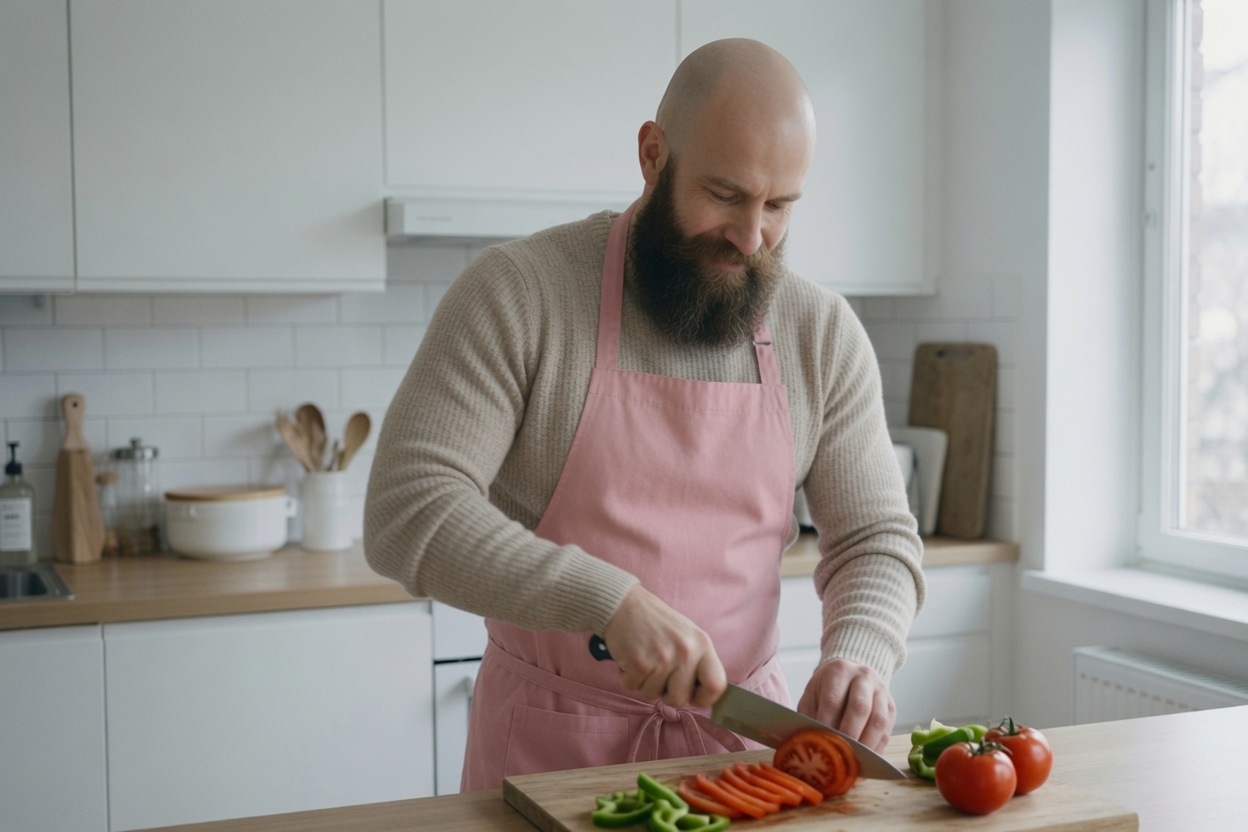
    Magnus Olafsson in his kitchen — bald, bearded and broad, in his pink apron, under cold light
    About the author

    Magnus Olafsson

    I’m Magnus — twenty years under the iron, from a cold gym in Stockholm to the classic-physique stage, and now mostly in my kitchen in a pink apron. I’ve cut for shows, bulked through winters, and I’ve been on TRT since I was thirty-five. I know what it takes to eat for the body you’re chasing, and I know it shouldn’t come with a side of shame.

    Everything here is food I actually cook and macros I actually count. I don’t diagnose, I don’t promise, and I never make a number up. I just feed you well and tell you the truth.

    NPC Illinois NPC Classic Physique On TRT since 35 20 years training

    Slim Diet Era shares recipes and general nutrition information. It is not medical or dietetic advice, and we do not provide guidance on obtaining or using any controlled substance. See our Medical Disclaimer and Nutrition Disclaimer.
  • Baked Cod and Greens

    Baked Cod and Greens

    Recipe · Cutting / Fish / High-protein

    Baked Cod and Greens

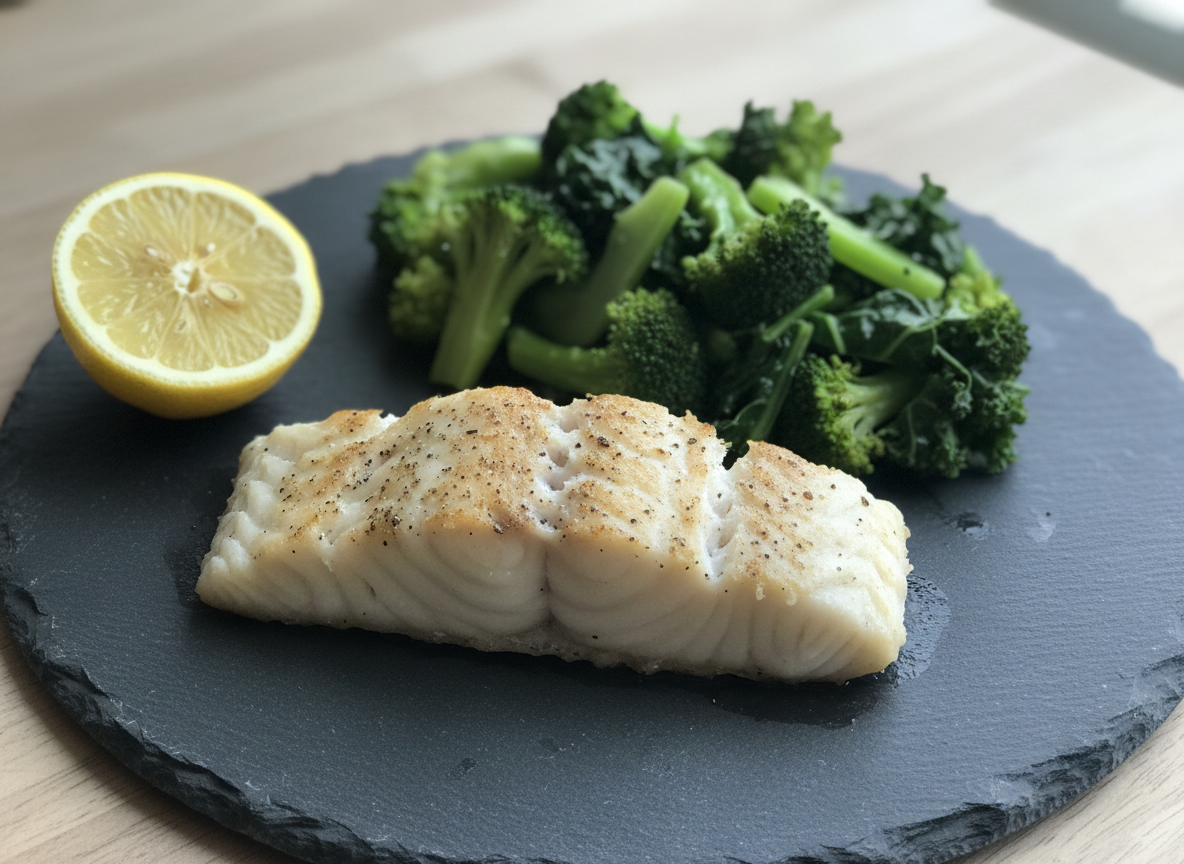
    Flaky, lemon-baked cod over a heap of garlicky greens — 42 grams of protein for just 360 calories, and one of the leanest, gentlest plates I know. Light on the gut, light on the calories, heavy on the satisfaction.

    GoalCut
    Total time25 min
    Servings2 plates
    Protein / serving42 g
    Calories / serving360 kcal
    A flaky baked cod fillet over a pile of bright garlicky greens with lemon, plated under cold light Plate 01 / Finished

    White fish gets a bad reputation, and I think it’s unfair. People call it boring, bland, the thing you eat when you’re being punished. But the truth is most folks have only ever had cod overcooked into dry, rubbery flakes, and of course that’s miserable. Cooked properly — just to the point where it turns opaque and slides apart in soft, juicy flakes — cod is one of the most delicate, satisfying things you can put on a plate. The fault was never the fish.

    I started leaning on it hard during the strictest weeks of a cut, when my calories were low and my stomach was tired of heavy meat. Cod is extraordinary on a deficit: enormously high in protein for almost no fat, and so gentle that it sits light even late in the evening. I bake it on a bed of greens with garlic, lemon and a whisper of oil, so the fish steams tender while the greens soak up all that bright, savoury flavour. One tray, almost no washing up, twenty-five minutes start to finish.

    This plate is 42 grams of protein for 360 calories, love, and it eats like something far more generous than its numbers. It’s my “I trained hard and my body needs feeding gently” meal — clean, light, and quietly delicious. If white fish has ever let you down, give me one fillet and let me change your mind. I’ve got you on this one.

    01Who it’s for & when to eat it

    The cod and greens stay the same — you build the plate up or keep it pared back to suit your goal. Here’s how I steer it.

    On a cut

    The default plate

    One cod fillet over a big pile of garlicky greens with lemon. Extremely lean, extremely gentle, properly satisfying. My go-to in the strict weeks when my stomach wants something light.

    On a bulk

    Build it up

    Same cod and greens, plus a portion of buttery new potatoes or rice and a drizzle of olive oil. Lean protein turned into a fuller plate. See the variations below for numbers.

    On TRT

    Steady fuel

    The cod with a fist of carbs and a little healthy fat — olive oil, a few olives, or some avocado. Lean, easy-to-digest protein with balanced fuel around it.

    Timing: a lovely evening meal — light, fast-digesting protein that won’t sit heavy before bed. It’s also gentle enough for a post-training plate when you don’t want anything too rich.

    02Ingredients

    Makes 2 plates. Cod is the star — buy it as fresh as you can and don’t overcook it. Everything else is there to lift it. Scale every line for more.

    Servings 2 · adjust on the live recipe card
    • Cod fillets skinless2 × 180 g · 6.3 oz ea.
    • Tenderstem broccoli or greens300 g · 10.6 oz
    • Baby spinach2 handfuls · 60 g
    • Garlic, sliced3 cloves
    • Lemon1, half sliced half juiced
    • Olive oil1 tbsp · 15 ml
    • Chilli flakes optionala pinch
    • Fresh parsley or dillto finish
    • Black pepperto taste
    • Saltto taste (go light)

    Swaps I actually use: any firm white fish works — haddock, pollock, hake — and they’re all just as lean. Frozen fillets are fine; just pat them very dry. Swap the greens for asparagus, green beans, or courgette. A spoon of capers or a few halved cherry tomatoes scattered on the tray adds a bright lift for almost no calories.

    03Step by step

    Heat the oven

    Get it hot first

    Heat the oven to 200°C (390°F). A hot oven cooks the cod fast, which is exactly what you want — quick cooking is gentle cooking with fish, and it keeps the flakes juicy rather than drying them out.

    Oven heating with an empty baking tray ready inside
    Greens down

    Make a bed for the fish

    Toss the broccoli or greens on a baking tray with the sliced garlic, half the olive oil, a pinch of salt and the chilli flakes if using. Spread them out — they’ll be the bed the cod bakes on, soaking up the garlic and lemon.

    Magnus says: the greens cook in the same time as the fish, so this really is a one-tray meal. Less washing up, more living.

    Broccoli and greens tossed with garlic and oil, spread on a baking tray
    Pat & season the cod

    Dry, oil, lemon on top

    Pat the cod fillets dry, sit them on top of the greens, and rub them with the rest of the oil and a light pinch of salt and pepper. Lay a couple of lemon slices over each fillet so they perfume the fish as it bakes.

    Cod fillets seasoned and topped with lemon slices on the bed of greens
    Bake

    12–15 minutes, until it flakes

    Bake for 12 to 15 minutes, depending on the thickness of the fillets, until the cod turns opaque and flakes easily when you press it with a fork. Don’t overshoot — the second it flakes, it’s done.

    Magnus says: cod goes from perfect to rubbery in a couple of minutes. Check it early and trust the flake.

    Baked cod turned opaque and flaking over the roasted greens on the tray
    Wilt the spinach

    Fold in the spinach at the end

    Pull the tray out and tumble the baby spinach in among the hot greens — the residual heat wilts it in under a minute. It adds a soft green layer and a little extra volume for almost no calories.

    Baby spinach being folded into the hot greens to wilt on the tray
    Serve

    Lemon, herbs, plate it up

    Squeeze the rest of the lemon over everything, scatter with fresh parsley or dill, and lift the cod and greens onto two warm plates. Eat it straight away while the fish is at its softest.

    Magnus says: that final squeeze of lemon wakes the whole plate up. Don’t skip it — fish loves acid.

    The finished cod and greens plated with lemon and fresh herbs under cold light

    04The spec sheet

    Real numbers, calculated — not guessed. The recipe makes 2 plates, about 600g of finished food total. Here’s what one serving (~300g) and a flat 100g actually give you.

    Macros — per serving & per 100g
    NutrientPer servingPer 100g
    Energy360 kcal120 kcal
    Protein42.0 g14.0 g
    Carbohydrate10.0 g3.3 g
    — of which sugars3.5 g1.2 g
    Fat15.0 g5.0 g
    — of which saturates2.0 g0.7 g
    Fibre5.0 g1.7 g
    Sodium~0.42 g~0.14 g
    Calorie density
    120 kcal / 100g

    Very low. Cod is one of the leanest proteins going, and the big pile of greens keeps the volume up — you eat a full plate and barely touch your calorie budget.

    Protein per 100 kcal
    11.7 g / 100 kcal

    Outstanding. Cod is almost pure protein, so this is about as protein-rich as a meal gets — ideal for holding muscle through a hard cut.

    Key micros (per serving, approx.)
    • Vitamin B12~2.5 µg · 104% DV
    • Selenium~45 µg · 82% DV
    • Iodine~150 µg · 100% DV
    • Vitamin C~70 mg · 78% DV
    • Vitamin K~110 µg · 92% DV
    • Folate~95 µg · 24% DV

    Macros are calculated from standard food-composition data and will shift a little with your exact ingredients and brands. Micronutrient figures are estimates against general adult Daily Values. Numbers are for guidance, not medical advice — see our Nutrition Disclaimer.

    05Bulk / Cut / TRT variations

    One tray, three jobs. The cod and greens stay the same — you add carbs and fat or keep it pared back. Macros below are for a full serving.

    Cut

    The lean default

    One cod fillet over a big pile of greens, just a teaspoon of oil, plenty of lemon and garlic. Extremely lean and light — this is the plate I lean on hardest in the strictest weeks.

    280Kcal
    40G Protein
    8G Fat
    Bulk

    Add the carbs

    Same cod and greens, plus a portion of buttery new potatoes or rice and a generous drizzle of olive oil. Turns the light plate into a fuller meal while keeping the protein high.

    620Kcal
    47G Protein
    22G Fat
    TRT

    Steady & balanced

    The cod with a fist of new potatoes and a little healthy fat — olive oil, olives, or avocado. Lean, gentle protein with balanced carbs and fats around it.

    480Kcal
    43G Protein
    18G Fat

    06Meal prep & storage

    Fish is best eaten fresh, but this plate holds up better than most for a day or two if you treat it gently. I prep the greens ahead more often than the fish.

    Fridge
    2 days

    Store cooled cod and greens in an airtight container. Cooked white fish keeps a couple of days; eat it sooner rather than later for the best texture.

    Freezer
    not ideal

    I don’t freeze cooked cod — it turns watery and soft. Far better to freeze the raw fillets and bake them fresh when you want them.

    Reheat
    5 min

    Reheat gently in a covered dish in a low oven, or eat the cod cold flaked over a salad — it’s lovely that way and dodges the reheating-fish problem entirely.

    For meal prep I’ll often bake the greens in a batch and keep raw fillets ready in the freezer, baking a fresh piece of cod in fifteen minutes. Cold flaked cod over leaves the next day is genuinely one of my favourite quick lunches too.

    Free · the 7-day “Get Fed” plan

    Want a whole week built around food like this?

    Drop your email and I’ll send you my free 7-day plan — meals, macros already counted, grocery list written. No spam, no lectures.

    No spam. Unsubscribe whenever. See what’s in the plan →

    07Common questions

    How do I stop cod from being rubbery? +

    Don’t overcook it — that’s the whole secret. Bake it in a hot oven and pull it the moment it turns opaque and flakes with gentle pressure, usually 12 to 15 minutes. Cod goes from perfect to tough in a couple of minutes, so check early and trust the flake rather than the timer.

    Can I use frozen cod? +

    Yes, and it’s often great value. Thaw the fillets fully and pat them very dry before baking — frozen fish holds water, and excess water makes it steam and go soggy. Once it’s dry, treat it exactly like fresh.

    What other fish works here? +

    Any firm white fish — haddock, pollock, hake, or even a thicker piece of basa. They’re all lean and bake the same way; just watch thinner fillets, which cook faster. Salmon works too, though it’s fattier, so it bumps the calories up.

    How do I turn this into a bulk meal? +

    Add carbs and a little fat: a portion of new potatoes or rice and a generous drizzle of olive oil. That takes a serving from around 360 calories up to roughly 620 while keeping the protein high. See the Bulk variation above for the numbers.

    Is cod good on a cut? +

    It’s one of the best proteins for it. Cod is extremely high in protein for very few calories and almost no fat, so it lets you hit your protein target while keeping calories low. It’s also gentle on the stomach, which matters when you’re eating light. Just remember fish counts toward general healthy-eating guidance on oily versus white varieties — see the nutrition disclaimer.

    From my 7-day Cut plan

    This cod plate lives inside a full week of meals.

    This baked cod is one plate in my 7-day cutting plan — seven days of high-protein, low-calorie meals with the macros counted and the grocery list written. You pick the goal; I do the maths.

    See the cutting meal plan
    A baked cod and greens plate from the 7-day cutting meal plan under cold light

    08Pairs well with

    Browse all recipes →

    Magnus Olafsson in his kitchen — bald, bearded and broad, in his pink apron, under cold light
    About the author

    Magnus Olafsson

    I’m Magnus — twenty years under the iron, from a cold gym in Stockholm to the classic-physique stage, and now mostly in my kitchen in a pink apron. I’ve cut for shows, bulked through winters, and I’ve been on TRT since I was thirty-five. I know what it takes to eat for the body you’re chasing, and I know it shouldn’t come with a side of shame.

    Everything here is food I actually cook and macros I actually count. I don’t diagnose, I don’t promise, and I never make a number up. I just feed you well and tell you the truth.

    NPC Illinois NPC Classic Physique On TRT since 35 20 years training

    Slim Diet Era shares recipes and general nutrition information. It is not medical or dietetic advice, and we do not provide guidance on obtaining or using any controlled substance. See our Medical Disclaimer and Nutrition Disclaimer.
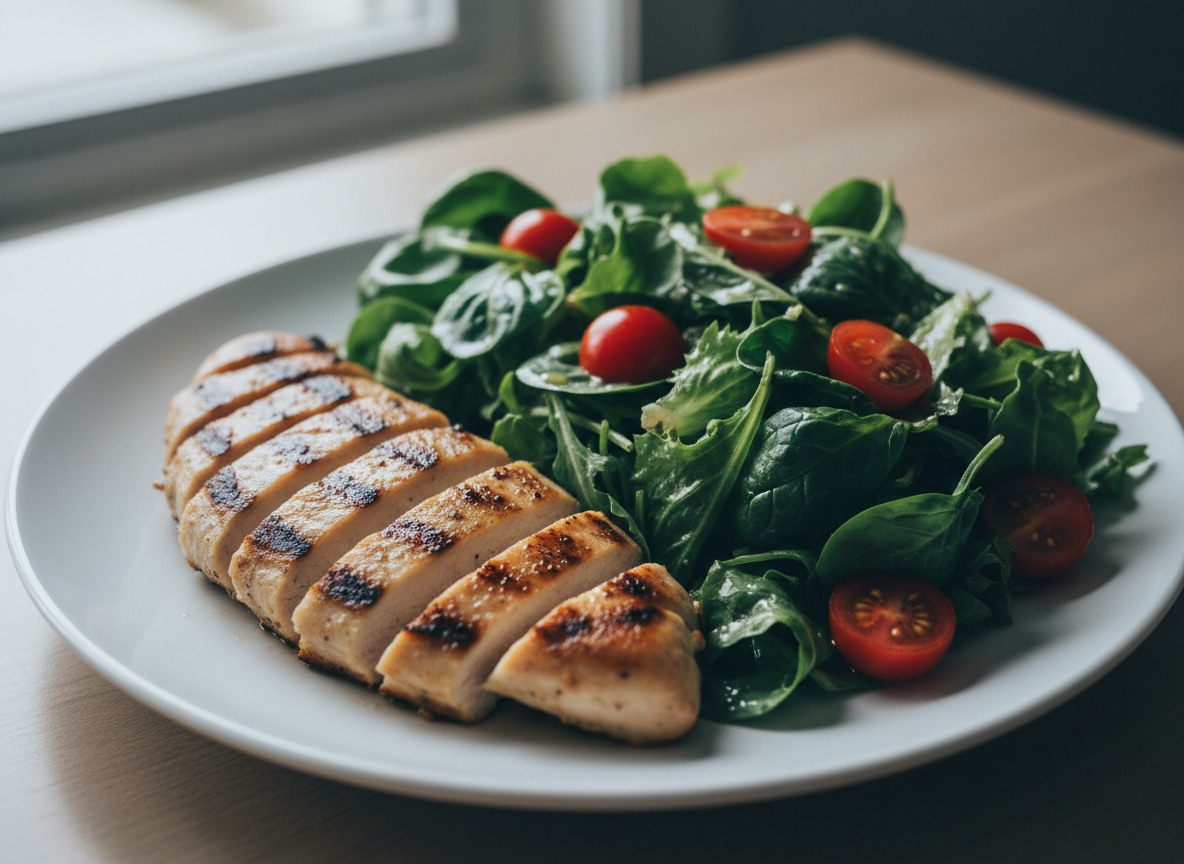
  • Grilled Chicken and a Big Salad

    Grilled Chicken and a Big Salad

    Recipe · Cutting / Salad / High-protein

    Grilled Chicken and a Big Salad

    The salad that doesn’t leave you hungry an hour later — juicy grilled chicken over a genuinely big, properly dressed bowl. 46 grams of protein for 410 calories, with a yoghurt dressing that earns its keep instead of wrecking your day.

    GoalCut
    Total time25 min
    Servings2 bowls
    Protein / serving46 g
    Calories / serving410 kcal
    Sliced grilled chicken fanned over a big colourful salad with a creamy dressing, plated under cold light Plate 01 / Finished

    I have a quiet grudge against the diet salad. You know the one — a sad heap of dry leaves, a few sweaty cherry tomatoes, a piece of grey chicken, and a squeeze of lemon if you’re lucky. It’s the meal people picture when they think “cutting,” and it’s the reason so many people decide eating well is a punishment. It made me cross when I saw friends choking those down and calling it dinner. Whoever told you a salad has to taste like penance was wrong, and I want to fix that for you.

    A good salad is a real meal, and the secret is two things most people skip: enough chicken to actually fill you, and a dressing that tastes like something. The chicken gets grilled properly so the edges char and the inside stays juicy. The dressing is built on Greek yoghurt — creamy, tangy, sharp with lemon and garlic — which means you get the richness without the river of oil that turns a 200-calorie bowl into a 700-calorie one without you noticing.

    This lands at 46 grams of protein for 410 calories, love, and it eats like an actual dinner — big, colourful, satisfying, the kind you finish and feel good about instead of robbed. It’s my warm-weather default, my “I trained hard and want something fresh” plate, and it takes about as long as it would to feel sorry for yourself over a sad one. Cook it once the right way and you’ll never go back to the grey version. I’ve got you.

    01Who it’s for & when to eat it

    The grilled chicken and the bones of the salad stay the same — you add or hold back the heavier toppings to suit your goal. Here’s how I steer it.

    On a cut

    The default bowl

    A big bowl of leaves and crunchy veg, plenty of grilled chicken, the yoghurt dressing. High protein, high volume, low calories — this is my go-to when I want to feel genuinely full on a deficit.

    On a bulk

    Add the calories

    Same salad, plus avocado, a handful of nuts or seeds, and a base of quinoa or chickpeas under the leaves. Turns a light bowl into a proper meal. See the variations below.

    On TRT

    Balanced bowl

    The salad with half an avocado and a small scoop of grains. Moderate carbs and healthy fats alongside the lean protein — fresh, satisfying, and easy on the day.

    Timing: a brilliant light dinner or a substantial lunch — fresh, high-protein, and quick. It packs well if you keep the dressing separate, so it’s an easy one to take to work.

    02Ingredients

    Makes 2 big bowls. The salad veg is flexible — use what’s fresh and crunchy. The two non-negotiables are enough chicken and a real dressing. Scale every line for more.

    Servings 2 · adjust on the live recipe card
    • Chicken breast350 g · 12.3 oz
    • Mixed salad leaves120 g · 4 big handfuls
    • Cucumber, sliced½, 150 g
    • Cherry tomatoes, halved150 g · 5 oz
    • Red onion, thin slivers¼ small
    • Greek yoghurt 0–5% fat4 tbsp · 100 g
    • Lemon juice1 tbsp · 15 ml
    • Garlic, grated1 clove
    • Olive oil to grill1 tsp · 5 ml
    • Salt, pepper, fresh herbsto taste

    Swaps I actually use: any lean protein works in place of chicken — prawns, turkey, or even tinned tuna on a lazy day. For the dressing, a spoon of Dijon mustard or a little honey lifts it; fresh dill or mint makes it sing. Add peppers, radish, grated carrot, whatever’s crunchy and fresh. On a bulk, fold avocado or toasted seeds straight in.

    03Step by step

    Prep the chicken

    Flatten so it grills even

    If the breasts are thick, slice or pound them to an even thickness so they cook through without the edges drying. Pat them dry, rub with the teaspoon of oil, and season with salt, pepper and a pinch of any dried herbs.

    Magnus says: even thickness is everything on the grill. A lopsided breast cooks unevenly every time.

    Chicken breast flattened to an even thickness and seasoned, ready to grill
    Grill

    Hot grill, char the edges

    Get a griddle pan or grill properly hot. Lay the chicken on and leave it to take colour for three to four minutes before turning — you want those dark char lines. Flip and cook through to 74°C / 165°F. Then rest it while you build the salad.

    Chicken breast grilling on a hot griddle pan with dark char lines forming
    The dressing

    Whisk the yoghurt dressing

    Stir the Greek yoghurt with the lemon juice, grated garlic, a pinch of salt and pepper, and any fresh herbs. Loosen it with a splash of water to a pourable cream. Taste it — it should be tangy and bright, not bland.

    Magnus says: this dressing is where the flavour lives. A boring dressing makes a boring salad, every time.

    A creamy yoghurt dressing being whisked with lemon and garlic in a bowl
    Build the bowl

    Pile the veg high

    Tumble the leaves, cucumber, tomatoes and red onion into two big bowls. Be generous — the volume is the point on a cut. Toss them lightly so everything’s mixed and ready for the chicken.

    A big bowl of mixed leaves, cucumber, tomatoes and red onion tumbled together
    Slice & top

    Fan the chicken over the top

    Slice the rested chicken across the grain into thick strips and fan it over each bowl. Slicing it warm shows off the juicy inside and the charred edges, and makes the portion look as generous as it is.

    Sliced grilled chicken fanned over the big salad bowl
    Dress & serve

    Spoon the dressing over, eat fresh

    Spoon the yoghurt dressing generously over the top, add a final crack of pepper and a scatter of herbs, and serve straight away while the chicken’s warm and the leaves are crisp.

    Magnus says: dress it just before you eat. A salad dressed too early goes limp and sad — and we’re done with sad salads.

    The finished salad bowl dressed with creamy yoghurt dressing and herbs under cold light

    04The spec sheet

    Real numbers, calculated — not guessed. The recipe makes 2 bowls, about 800g of finished food total. Here’s what one serving (~400g) and a flat 100g actually give you.

    Macros — per serving & per 100g
    NutrientPer servingPer 100g
    Energy410 kcal103 kcal
    Protein46.0 g11.5 g
    Carbohydrate14.0 g3.5 g
    — of which sugars9.0 g2.3 g
    Fat16.0 g4.0 g
    — of which saturates3.0 g0.8 g
    Fibre4.5 g1.1 g
    Sodium~0.45 g~0.11 g
    Calorie density
    103 kcal / 100g

    Very low. The big bowl of veg keeps the weight up and the calories down, so you can eat a genuinely large, satisfying meal on a deficit — exactly what a cut needs.

    Protein per 100 kcal
    11.2 g / 100 kcal

    Excellent. The grilled chicken and yoghurt dressing make this one of the most protein-rich salads you’ll plate — perfect for holding muscle while you lean out.

    Key micros (per serving, approx.)
    • Vitamin C~28 mg · 31% DV
    • Vitamin K~75 µg · 63% DV
    • Vitamin A~320 µg · 36% DV
    • Folate~90 µg · 23% DV
    • Niacin (B3)~14 mg · 88% DV
    • Calcium~130 mg · 13% DV

    Macros are calculated from standard food-composition data and will shift a little with your exact ingredients and brands. Micronutrient figures are estimates against general adult Daily Values. Numbers are for guidance, not medical advice — see our Nutrition Disclaimer.

    05Bulk / Cut / TRT variations

    One salad, three jobs. The chicken and leaves stay the same — you add or hold back the calorie-dense toppings. Macros below are for a full serving.

    Cut

    The lean default

    Big bowl of leaves and crunchy veg, plenty of grilled chicken, the yoghurt dressing made with 0% yoghurt. Maximum volume, minimum calories — fresh, full, and properly satisfying on a deficit.

    410Kcal
    46G Protein
    16G Fat
    Bulk

    Make it a meal

    Add half an avocado, a handful of toasted seeds or nuts, and a base of cooked quinoa or chickpeas under the leaves. Turns the light bowl into a calorie-dense plate that still feels fresh.

    680Kcal
    52G Protein
    32G Fat
    TRT

    Steady & balanced

    The salad with half an avocado and a small scoop of grains. Moderate carbs, healthy fats and lean protein — fresh and satisfying without pushing the calories too high.

    540Kcal
    48G Protein
    26G Fat

    06Meal prep & storage

    A salad preps well if you respect a couple of rules: keep the wet things apart from the leaves, and the dressing in its own pot. Done right, this is a grab-and-go lunch all week.

    Fridge
    3 days

    Store grilled chicken, chopped veg and leaves in separate containers. The chicken keeps best; assemble each bowl when you eat.

    Dressing
    4 days

    The yoghurt dressing keeps in a sealed jar in the fridge. Give it a stir before using; loosen with water if it’s thickened.

    Assemble
    2 min

    Build the bowl fresh — leaves, veg, sliced chicken, then dressing last. Dressing on early-packed leaves turns them limp, so always keep it separate.

    For meal prep I grill a few breasts at once and chop the hardy veg ahead, but I always wait to add the leaves and dressing until I’m about to eat. Two minutes of assembly is the price of a salad that’s still crisp on day three.

    Free · the 7-day “Get Fed” plan

    Want a whole week built around food like this?

    Drop your email and I’ll send you my free 7-day plan — meals, macros already counted, grocery list written. No spam, no lectures.

    No spam. Unsubscribe whenever. See what’s in the plan →

    07Common questions

    Why does a salad leave me hungry an hour later? +

    Usually because it’s short on protein. Leaves and veg are mostly water and fibre, which is great for volume but won’t keep you full on their own. Loading the bowl with enough grilled chicken — and a yoghurt dressing that adds a little more protein — is what turns a salad into a meal that actually holds you.

    How do I keep the dressing low-calorie but tasty? +

    Build it on Greek yoghurt instead of oil or mayo. Yoghurt gives you the creamy richness for a fraction of the calories, and lemon, garlic, mustard and fresh herbs do the flavour work. A river of olive oil can quietly add hundreds of calories — yoghurt sidesteps that entirely.

    Can I use a different protein? +

    Of course. Grilled prawns, sliced steak, turkey, or tinned tuna all work beautifully and keep the protein high. Just match the cooking and adjust the macros for whatever you use. The salad and dressing don’t care what’s on top.

    What veg holds up best for meal prep? +

    Sturdy, low-moisture veg like peppers, carrot, radish and cucumber (kept separate) hold their crunch for days. Delicate leaves wilt fast once dressed, so store them dry and add the dressing only when you eat. Tomatoes go best added fresh too, as they weep over time.

    How do I bulk this up without losing the fresh feel? +

    Add a base of quinoa or chickpeas under the leaves and a little healthy fat — avocado or toasted seeds. Both add real calories while keeping the bowl fresh and bright. That takes a serving from around 410 up to roughly 680 calories. See the Bulk variation above.

    From my 7-day Cut plan

    This salad lives inside a full week of meals.

    This big salad is one bowl in my 7-day cutting plan — seven days of high-protein, low-calorie meals with the macros counted and the grocery list written. You pick the goal; I do the maths.

    See the cutting meal plan
    A grilled chicken salad bowl from the 7-day cutting meal plan under cold light

    08Pairs well with

    Browse all recipes →

    Magnus Olafsson in his kitchen — bald, bearded and broad, in his pink apron, under cold light
    About the author

    Magnus Olafsson

    I’m Magnus — twenty years under the iron, from a cold gym in Stockholm to the classic-physique stage, and now mostly in my kitchen in a pink apron. I’ve cut for shows, bulked through winters, and I’ve been on TRT since I was thirty-five. I know what it takes to eat for the body you’re chasing, and I know it shouldn’t come with a side of shame.

    Everything here is food I actually cook and macros I actually count. I don’t diagnose, I don’t promise, and I never make a number up. I just feed you well and tell you the truth.

    NPC Illinois NPC Classic Physique On TRT since 35 20 years training

    Slim Diet Era shares recipes and general nutrition information. It is not medical or dietetic advice, and we do not provide guidance on obtaining or using any controlled substance. See our Medical Disclaimer and Nutrition Disclaimer.
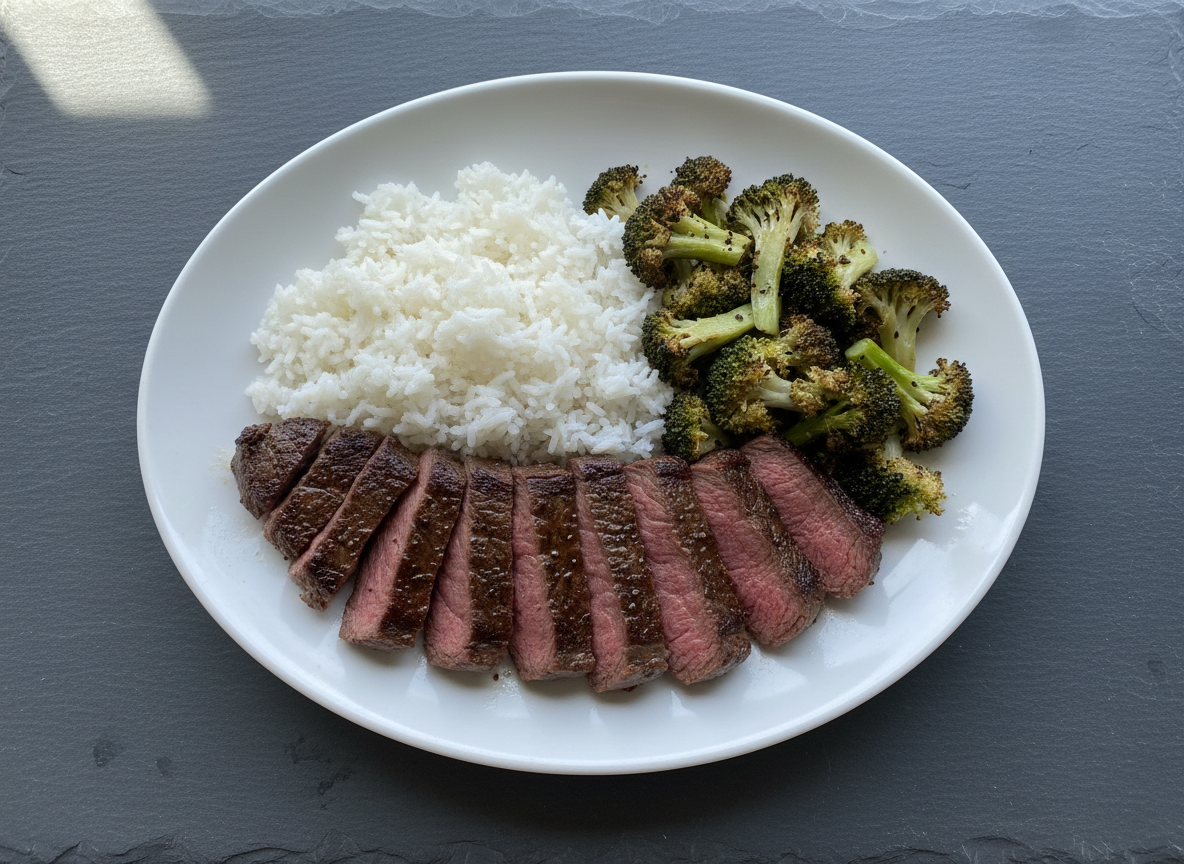
  • Lean Cutting Chicken Cutlets

    Lean Cutting Chicken Cutlets

    Recipe · Cutting / Meat / High-protein

    Lean Cutting Chicken Cutlets

    Thin, pan-seared chicken cutlets built for a cut — 48 grams of protein for just 420 calories on the full plate, with a crisp seasoned crust and almost no added fat. The lean, dependable centre of any cutting day.

    GoalCut
    Total time20 min
    Servings2 plates
    Protein / serving48 g
    Calories / serving420 kcal
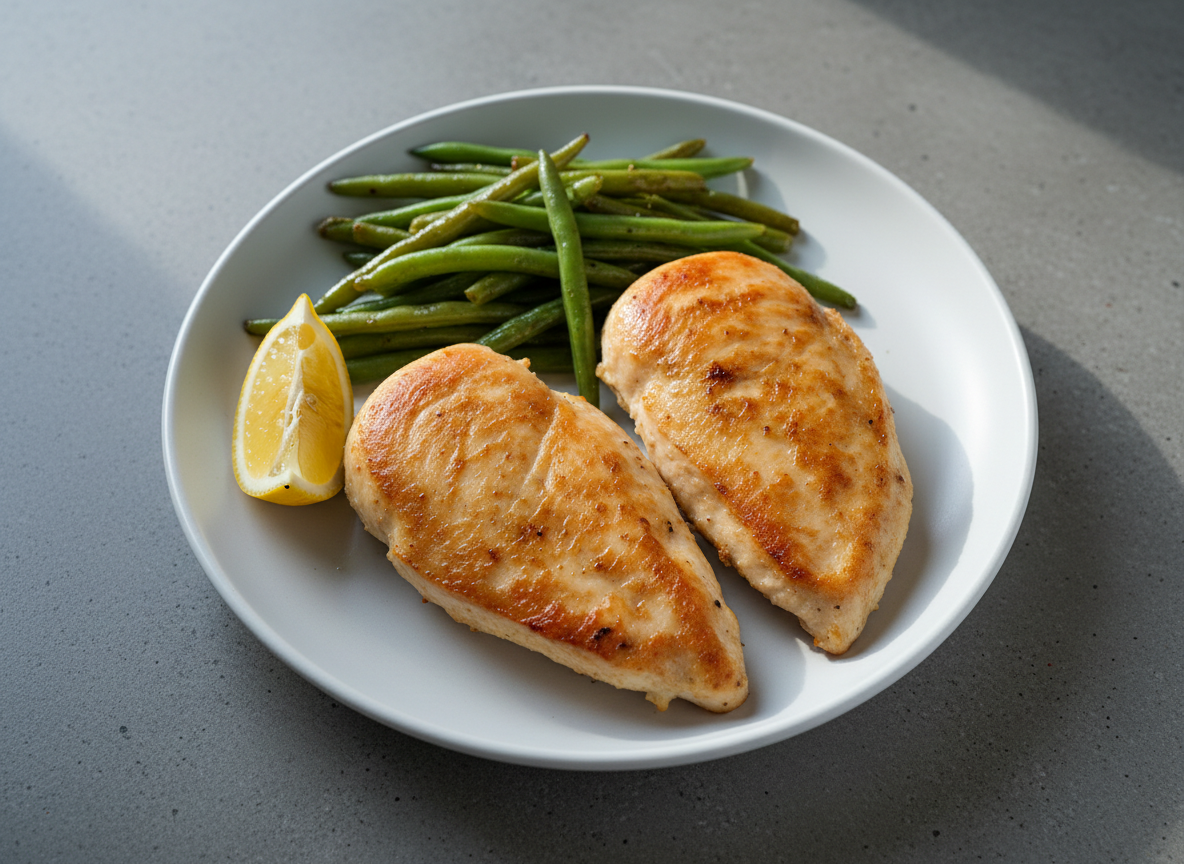
    Thin pan-seared chicken cutlets with a golden seasoned crust beside greens, plated under cold light Plate 01 / Finished

    If I had to keep just one cutting recipe and burn the rest, it might be this one. Not because it’s clever — it isn’t — but because it never lets me down. On a cut, the hard part isn’t motivation, it’s monotony: by week six you’re so tired of the same plain breast that you’d consider chewing the cutting board instead. That boredom is what ends more diets than hunger ever does, and I’ve watched it happen to people I care about.

    The cutlet fixes the boredom by changing the texture. You take a chicken breast, slice it thin and pound it a little so it cooks fast and even, then sear it in a properly hot pan with almost no oil. What you get is a crust — real golden, seasoned, crisp-edged crust — on a piece of lean breast that’s still juicy inside. Same macros as the sad plain breast, completely different eating experience. That little bit of crust is the difference between a meal you endure and one you look forward to.

    The full plate lands at 48 grams of protein for 420 calories, love, which on a cut is honestly a gift. It’s fast, it’s cheap, it reheats, and it bends to whatever sauce or side you’re in the mood for. This is the recipe I lean on hardest when the scale is moving and I just need to keep feeding myself well without thinking too hard. Cook it once and it’ll quietly become your default. I’ve got you.

    01Who it’s for & when to eat it

    This is a lean base that goes with anything. The cutlets stay the same; you build the plate around them to suit your goal. Here’s how I steer it.

    On a cut

    The default plate

    Two cutlets with a big pile of greens or a bright salad. Maximum protein, minimum calories — the kind of plate that fills you up without filling you out. My go-to when the scale needs to move.

    On a bulk

    Build it up

    Same cutlets over rice or potatoes with a drizzle of olive oil and a sauce. Easy way to turn a lean base into a calorie-dense bowl. See the variations below for numbers.

    On TRT

    Steady fuel

    Two cutlets with a fist of carbs and some healthy fat — avocado, olives, a little olive oil. Lean protein that keeps you full and supports recovery without overshooting.

    Timing: a brilliant post-training meal — fast protein, light on the gut. They reheat without going rubbery, so they pack beautifully for a midday plate too.

    02Ingredients

    Makes 2 plates — that’s 4 thin cutlets, 2 per serving. Keep the breast thin and even and the seasoning generous; that’s the whole recipe. Scale every line for more.

    Servings 2 · adjust on the live recipe card
    • Chicken breast large400 g · 14 oz
    • Olive oil to sear1 tbsp · 15 ml
    • Smoked paprika1 tsp · 2 g
    • Garlic powder1 tsp · 3 g
    • Dried oregano1 tsp · 1 g
    • Lemon½, to finish
    • Black pepperto taste
    • Saltto taste (go light)
    • Greens or salad to serve2 big handfuls
    • Fresh parsley optionalto finish

    Swaps I actually use: turkey breast works exactly the same and is just as lean. Out of smoked paprika? A pinch of cumin and chilli does a similar smoky-warm job. For a little crust without much fat, a light dusting of cornstarch before searing crisps the edges beautifully. Squeeze the lemon at the end, not before cooking — acid on raw chicken can make the surface tough.

    03Step by step

    Butterfly

    Slice the breast thin

    Lay the breast flat and slice it horizontally through the middle into two thin cutlets. Thin and even is the goal — it cooks fast, stays juicy, and gives you more surface area for that crust.

    Magnus says: a thin even cutlet is a juicy cutlet. Thick ones dry out on the edges before the middle cooks.

    A chicken breast being sliced horizontally into two thin cutlets on a board
    Pound & dry

    Flatten gently, pat dry

    Lay the cutlets between two sheets of paper and pound them lightly with a rolling pin until even — you’re levelling them, not pulverising. Then pat the surface properly dry, because dry meat sears and damp meat steams.

    Thin chicken cutlets being gently pounded even and patted dry
    Season

    Rub the spices in both sides

    Mix the paprika, garlic powder, oregano, pepper and a light pinch of salt, then rub it firmly into both sides of each cutlet. Be generous with the spice and gentle with the salt — we’re keeping it lean and clean.

    Thin cutlets being rubbed with a paprika and herb seasoning on both sides
    Hot pan

    Sear hard, don’t move them

    Heat the olive oil in a pan over a medium-high heat until it shimmers. Lay the cutlets in and leave them alone for two to three minutes — moving them too soon tears the crust off before it forms. You want deep golden, not pale.

    Magnus says: resist fiddling. A cutlet left in peace builds the crust; a cutlet you keep poking never will.

    Chicken cutlets searing golden in a hot pan, left undisturbed
    Flip & finish

    Turn once, cook through

    Flip the cutlets and sear the other side for another two minutes until golden and cooked through — the chicken should reach 74°C / 165°F in the centre. Because they’re thin, this happens fast, so don’t wander off.

    Cutlets flipped to sear the second side until golden and cooked through
    Rest & serve

    Lemon, parsley, big pile of greens

    Rest the cutlets a minute so the juices settle, then squeeze over the lemon and scatter parsley if you like. Serve with a big pile of greens or a bright salad and you’ve got a proper cutting plate.

    Magnus says: that minute of rest matters — cut too soon and the juice runs out onto the board instead of staying in the meat.

    The finished cutlets rested, squeezed with lemon and served beside greens under cold light

    04The spec sheet

    Real numbers, calculated — not guessed. The recipe makes 2 plates, about 420g of finished food total. Here’s what one serving (2 cutlets plus greens, ~210g) and a flat 100g give you.

    Macros — per serving & per 100g
    NutrientPer servingPer 100g
    Energy420 kcal200 kcal
    Protein48.0 g22.9 g
    Carbohydrate6.0 g2.9 g
    — of which sugars2.0 g1.0 g
    Fat21.0 g10.0 g
    — of which saturates3.5 g1.7 g
    Fibre2.5 g1.2 g
    Sodium~0.40 g~0.19 g
    Calorie density
    200 kcal / 100g

    Lean. Most of the plate’s weight is the greens, which means you can eat a genuinely full plate and still keep the calories low — volume is your friend on a cut.

    Protein per 100 kcal
    11.4 g / 100 kcal

    Excellent — a real cutting metric. Most of these calories are protein, exactly what you want when you’re holding muscle while the scale comes down.

    Key micros (per serving, approx.)
    • Selenium~48 µg · 87% DV
    • Vitamin B6~1.2 mg · 71% DV
    • Niacin (B3)~16 mg · 100% DV
    • Phosphorus~340 mg · 49% DV
    • Vitamin B12~0.6 µg · 25% DV
    • Vitamin K~60 µg · 50% DV

    Macros are calculated from standard food-composition data and will shift a little with your exact ingredients and brands. Micronutrient figures are estimates against general adult Daily Values. Numbers are for guidance, not medical advice — see our Nutrition Disclaimer.

    05Bulk / Cut / TRT variations

    One cutlet, three jobs. The chicken stays the same — you build the plate up or pare it back. Macros below are for a full serving.

    Cut

    The lean default

    Two cutlets seared in a teaspoon of oil over a big pile of leaves or steamed greens with lemon. Maximum protein, minimum calories — this is the version I lean on hardest mid-cut.

    360Kcal
    46G Protein
    14G Fat
    Bulk

    Build it up

    Two cutlets over 150g cooked rice or potatoes with a drizzle of olive oil and a yoghurt-garlic sauce. Same lean protein, plenty more calories to grow on. Clean and easy to eat a lot of.

    680Kcal
    53G Protein
    22G Fat
    TRT

    Steady & balanced

    Two cutlets with roasted sweet potato and half an avocado or a handful of olives. Moderate carbs, healthy fats, lean protein — full and satisfied, nothing overshot.

    540Kcal
    49G Protein
    26G Fat

    06Meal prep & storage

    These were made for a quick batch. I sear a double lot in a few minutes and portion them out, ready to drop on any plate through the week. Thin cutlets reheat far better than a big thick breast.

    Fridge
    4 days

    Store cooled cutlets in an airtight container. Lovely cold sliced over a salad, or reheated gently for a hot plate.

    Freezer
    3 months

    Freeze cooked and cooled, layered with paper so they don’t fuse. Thaw overnight in the fridge before reheating.

    Reheat
    3 min

    A quick blast in a hot pan crisps the crust back up; the microwave works in a pinch — just don’t overdo it or thin cutlets tighten.

    For meal prep I keep the cutlets plain and pack different sides and sauces alongside, so I’m not eating the identical plate four days running. That little variety is what keeps a cut from collapsing into boredom.

    Free · the 7-day “Get Fed” plan

    Want a whole week built around food like this?

    Drop your email and I’ll send you my free 7-day plan — meals, macros already counted, grocery list written. No spam, no lectures.

    No spam. Unsubscribe whenever. See what’s in the plan →

    07Common questions

    How do I keep lean breast from drying out? +

    Slice it thin and even, sear it hot and fast, and pull it the moment it hits 74°C / 165°F — thin cutlets cook in minutes, so the window is short. Letting them rest a minute afterwards keeps the juices in. Overcooking is the only real way to dry these out.

    Can I get a crust without much oil? +

    Yes. The most important things are a properly hot pan and a dry surface on the chicken. A teaspoon of oil is plenty. For extra crisp, dust the cutlets with a light layer of cornstarch before searing — it crackles up golden for almost no calories.

    Can I air-fry these instead? +

    Absolutely. Air-fry at 190°C (375°F) for about 8–10 minutes, flipping halfway, until golden and cooked through. A light spray of oil helps the crust. Smaller batches, even less added fat — great for a cut.

    How do I turn this into a bulk plate? +

    Build the plate up: serve the cutlets over rice or potatoes with a drizzle of olive oil and a sauce. That takes a serving from around 420 calories up to roughly 680 with more than 50g of protein. See the Bulk variation above for the exact numbers.

    What sauces work without wrecking the macros? +

    Greek-yoghurt based sauces are your friend — yoghurt with garlic and lemon, or with herbs and a little mustard, adds creaminess and protein for very few calories. A fresh salsa or a squeeze of lemon and chilli works too. I steer clear of heavy oil- or mayo-based dressings on a cut.

    From my 7-day Cut plan

    This cutlet lives inside a full week of meals.

    These cutlets are one plate in my 7-day cutting plan — seven days of high-protein, low-calorie meals with the macros counted and the grocery list written. You pick the goal; I do the maths.

    See the cutting meal plan
    Lean chicken cutlets from the 7-day cutting meal plan under cold light

    08Pairs well with

    Browse all recipes →

    Magnus Olafsson in his kitchen — bald, bearded and broad, in his pink apron, under cold light
    About the author

    Magnus Olafsson

    I’m Magnus — twenty years under the iron, from a cold gym in Stockholm to the classic-physique stage, and now mostly in my kitchen in a pink apron. I’ve cut for shows, bulked through winters, and I’ve been on TRT since I was thirty-five. I know what it takes to eat for the body you’re chasing, and I know it shouldn’t come with a side of shame.

    Everything here is food I actually cook and macros I actually count. I don’t diagnose, I don’t promise, and I never make a number up. I just feed you well and tell you the truth.

    NPC Illinois NPC Classic Physique On TRT since 35 20 years training

    Slim Diet Era shares recipes and general nutrition information. It is not medical or dietetic advice, and we do not provide guidance on obtaining or using any controlled substance. See our Medical Disclaimer and Nutrition Disclaimer.