Blog

  • Foods to Avoid While on Steroids: What Stays Out of My Kitchen on Cycle

    Foods to Avoid While on Steroids: What Stays Out of My Kitchen on Cycle

    BlogOn-Cycle Nutrition11 min read

    Foods to Avoid While on Steroids: What Stays Out of My Kitchen on Cycle

    On cycle your margins shrink, so the food that was fine off cycle starts to cost you — here’s my honest out-list and the why behind each one.

    Foods to Avoid While on Steroids: What Stays Out of My Kitchen on Cycle

    Off cycle, a Friday burger is just dinner. On cycle, it’s a line on a blood panel.

    Nobody gets shamed in my kitchen for a burger — hear that first. But when you’re running something, your body is already working overtime on the quiet things food touches: blood pressure, your lipids, your liver, the water sitting under your skin. So the honest answer to which foods to avoid while on steroids has nothing to do with willpower or being “clean.” It’s about margins. On cycle your margins shrink, and food that was neutral off cycle stops being neutral.

    I’ve been on TRT since I was 35, and I still run a heavier cycle now and then, off the competitive stage. I’ve watched my own bloodwork move because of what was on my plate, not just what was in the syringe. This is the out-list I actually keep — every item, and exactly why it earns its place.

    Why “fine” food stops being fine on cycle

    Here’s the thing I wish someone had said to me plainly years ago. Testosterone and the compounds stacked with it push on a handful of markers at once. They tend to drop your good cholesterol, nudge your blood pressure up, park extra water under the skin, and lean on the liver — especially with orals in the mix. None of that is the food’s fault. But it means you start every day with less headroom than a natural lifter has.

    So what not to eat on cycle isn’t a moral list. It’s a math problem. If your blood pressure is already sitting higher than you’d like, a 2,000 mg-sodium takeout meal is a bigger deal than it was last year. If your HDL is already suppressed, the deep-fryer isn’t a treat — it’s a second hit on a marker that’s already down. Same food, different body, different cost.

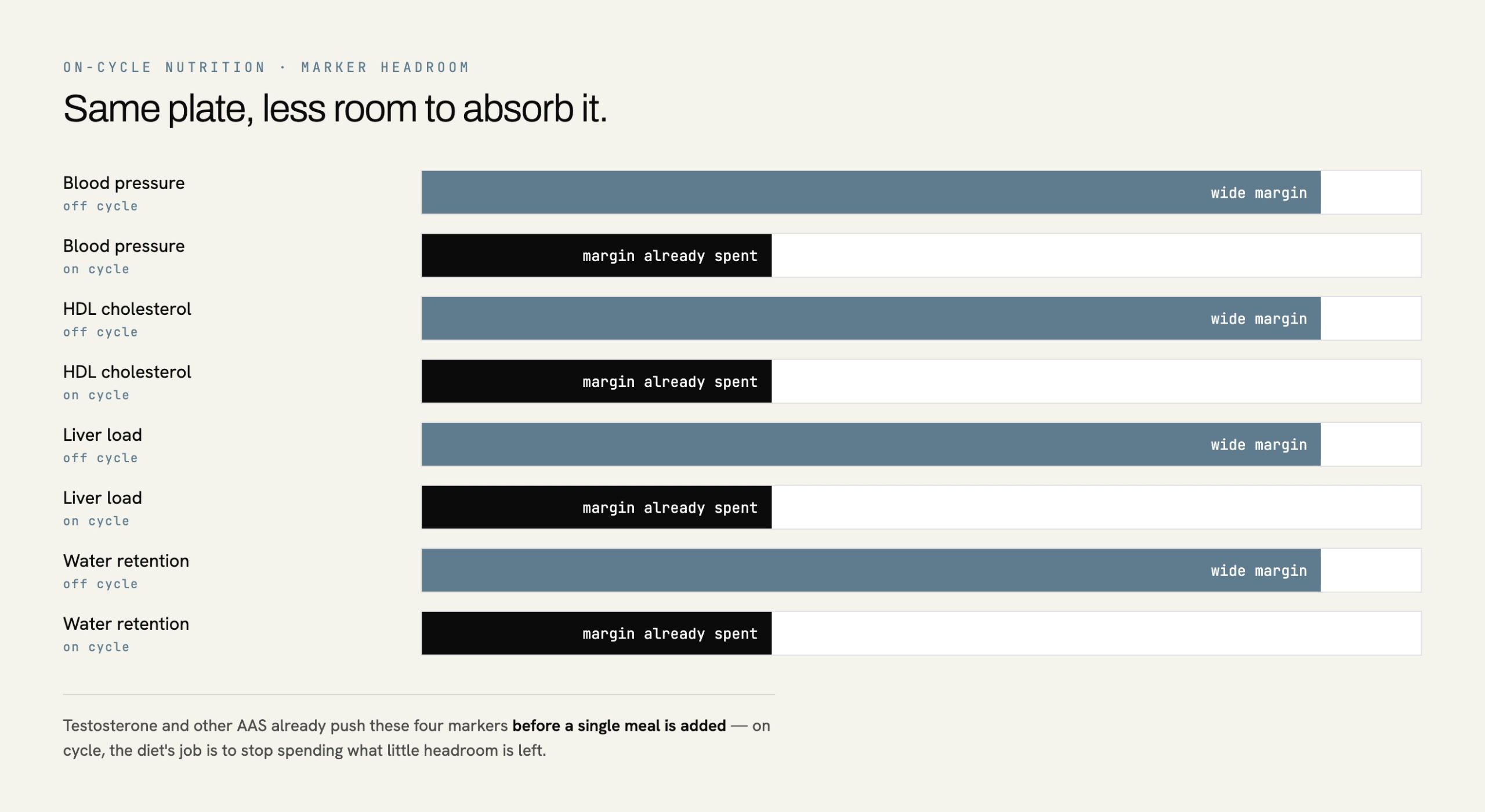
    Diagram showing how blood pressure, cholesterol, liver, and water margins shrink on a steroid cycle versus off cycle
    Diagram showing how blood pressure, cholesterol, liver, and water margins shrink on a steroid cycle versus off cycle

    Read the table below as the short version. The rest of the article is me explaining each line, because you deserve the why, not just the “don’t.”

    What I keep out (or way down)The marker it leans onWhat I reach for instead
    AlcoholLiver load, estrogen, recovery, sleepSparkling water, or nothing, on the heavy weeks
    Sodium bombs (fast food, cured meats, salty snacks)Blood pressure, water retentionHome-salted whole food, potassium-rich plates
    Trans fats and deep-fried foodCholesterol (raises LDL, lowers HDL)Olive oil, oily fish, air-fryer or oven
    Added-sugar floods (soda, candy, sweet coffee)Blood pressure, triglycerides, appetiteFruit, real carbs around training
    Grapefruit, if you take daily medsDrug metabolism (a caveat, not a ban)Other citrus — check with your doctor

    Alcohol on cycle: the one I dig my heels in on

    If I could only pull one thing off your plate on a heavy week, it’d be the drink. Alcohol on cycle hits three of the exact systems your cycle is already stressing, all at once.

    Start with the liver. Your liver is already the busiest organ on a cycle, and it’s the one clearing your alcohol too. Ask it to process a stack and a night of drinking on the same shift and something gives. The literature on alcohol and the male reproductive system is blunt about it: heavy drinking damages hormone handling at the liver, the testes, and the brain’s signalling all together[4]. That’s not a moral point. That’s your recovery organ doing two hard jobs at once.

    Then estrogen. Your liver is where a chunk of your hormone metabolism happens, and drinking tilts that balance in the direction most guys on cycle are already fighting. A systematic review and meta-analysis found that heavy alcohol intake is associated with lower testosterone in men, and named alcohol overuse a genuinely destructive factor for the whole testosterone axis[3]. On cycle you’ve got exogenous test covering the T side, but the estrogen tilt and the recovery cost don’t care that your levels look fine on paper.

    Last, recovery. Booze wrecks the sleep you’re counting on to actually turn food and training into muscle. You didn’t run a cycle to sleep badly and eat worse the next day. That’s the real tax — not the calories in the beer, but the loose, salty, late-night eating that rides in behind it.

    Magnus’s rule

    Less is always safer than more, with everything we’re talking about here. I’m not going to pretend I’ve never had a glass of wine with my husband. But on a heavy week, I keep it off the table — not out of guilt, out of respect for the organ doing the cleanup. More was never the thing that helped me.

    Sodium on cycle: the bombs that puff you up and push your pressure

    Salt gets a bad name it only half deserves. Sodium isn’t poison — you need it, and if you train hard and sweat you need a fair bit. The problem with sodium on cycle is two-sided: it pulls water, and it leans on blood pressure that your compounds may already be raising.

    The water piece is the one you see in the mirror. That puffy, smooth, blurry look — the face that isn’t quite yours — is often a sodium swing riding on top of the water your cycle already holds. It’s not fat. It moves in a day. But it tells you your balance is off.

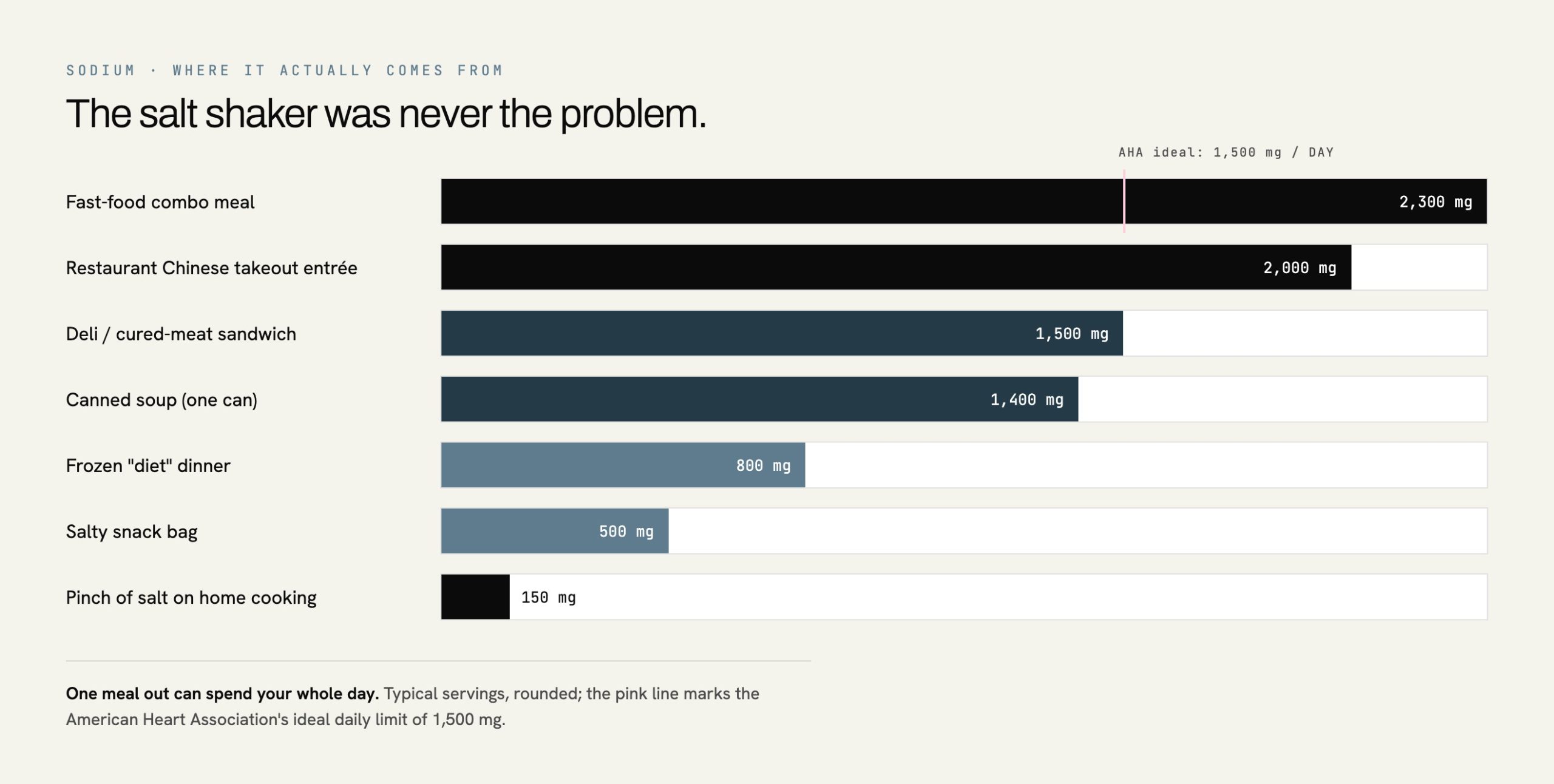
    The blood pressure piece is the one you don’t see, and it’s the one that matters more. The American Heart Association puts the ceiling at 2,300 mg of sodium a day, with an ideal closer to 1,500 mg for most adults, and notes that cutting back by about 1,000 mg a day measurably improves blood pressure[1]. Now look at where sodium actually comes from — it’s almost never your salt shaker.

    Ranked bar chart of high-sodium foods to avoid on a steroid cycle, from fast food to home cooking, against the AHA 1,500 mg daily target
    Ranked bar chart of high-sodium foods to avoid on a steroid cycle, from fast food to home cooking, against the AHA 1,500 mg daily target
    Kitchen math

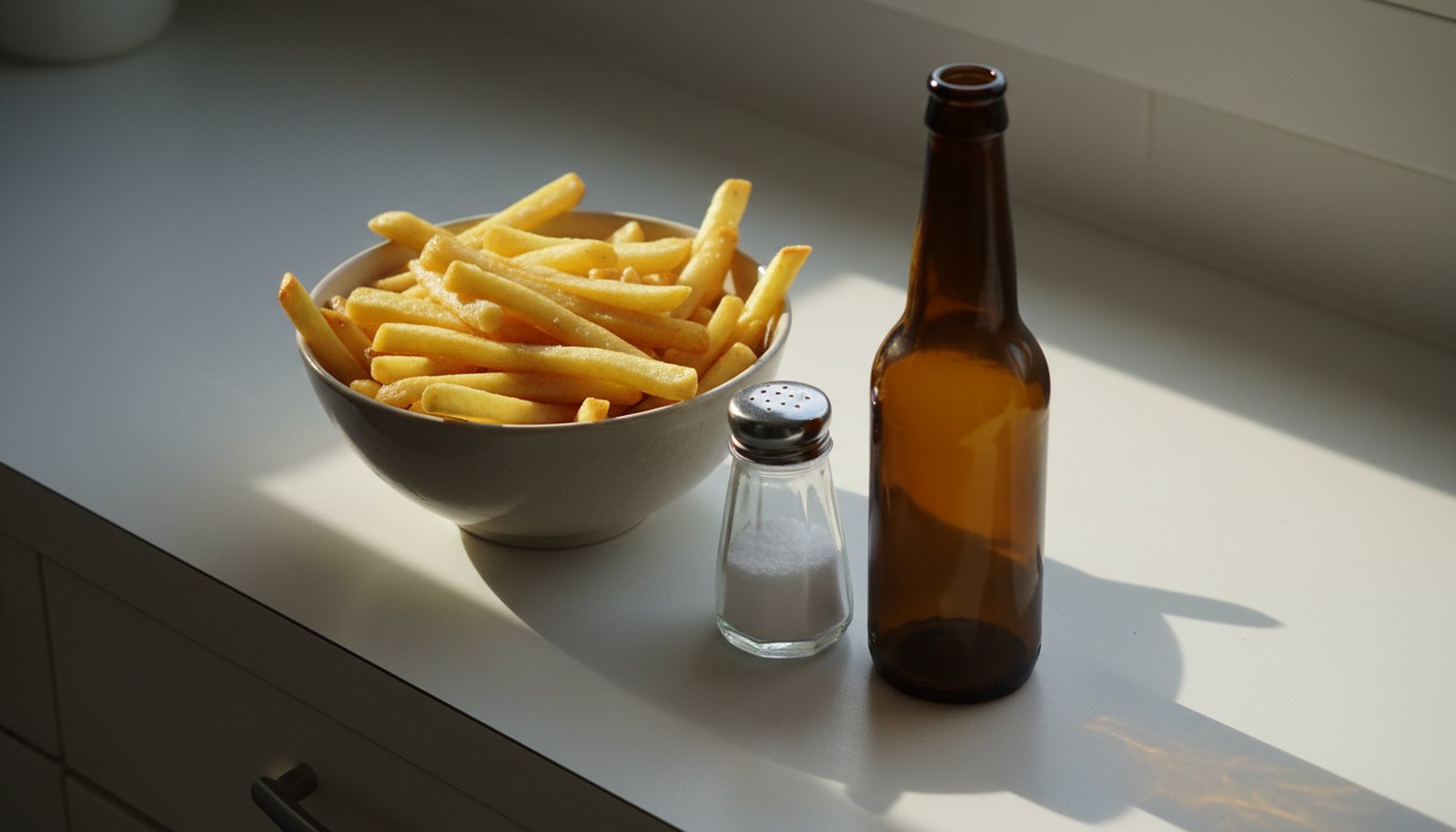
    A single fast-food combo can hand you 2,000 mg or more of sodium in one sitting — past a whole day’s ideal before dinner’s even done. Salt your own cooking to taste and you’ll still land under it, easily. The shaker was never the villain. The drive-through is.

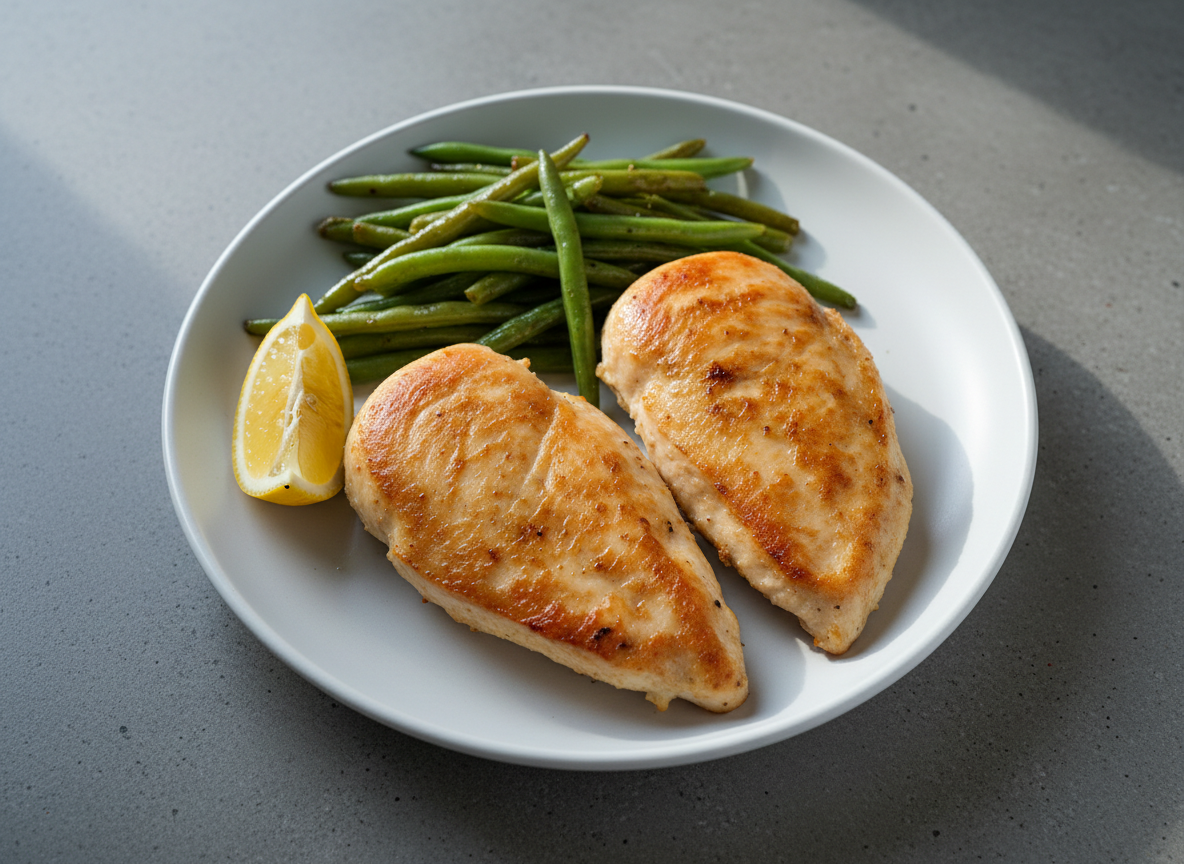
    The fix isn’t a low-sodium punishment plan. It’s cooking your own food so you’re the one holding the salt, and building plates around potassium-rich stuff — greens, potatoes, fish — that helps balance the scale. A plate like my baked cod and greens is exactly the shape I’m talking about: lean protein, real vegetables, and I decide every gram of salt that touches it.

    Trans fats and the deep-fryer: your cholesterol on cycle

    This is the one guys underrate the most, and it’s the one your cardiologist would care about first. Anabolics are hard on your lipids on their own. A study of young men using anabolic-androgenic steroids found their HDL — the cholesterol that clears the junk out of your arteries — did its job measurably worse, and a quarter of the users already had early plaque in more than one coronary artery, in men who none of the non-users could match[5]. Your cycle is already spending your cholesterol margin.

    Now bring in trans fats and heavy deep-fried food. The American Heart Association is clear that trans fats raise your bad (LDL) cholesterol and lower your good (HDL) cholesterol, and that a diet high in them raises the risk of heart disease and stroke — with some evidence artificial trans fats are worse for your heart than saturated fat[2]. That’s the same HDL your cycle is already knocking down. Two hits, same marker. That’s why the fryer comes off the menu on cycle even though it’s “just a bit of fat.”

    I don’t eat zero fat — that’s its own mistake, and your hormones need dietary fat. I eat the right fats. Olive oil, whole eggs, oily fish. Sardines are one of my quiet weapons here; a plate like my grilled sardines and greens brings the omega-3s that your lipid panel actually likes, for about the price of a coffee. The oven and the air-fryer do the work the deep-fryer used to. You lose nothing but the number on the panel you didn’t want.

    The added-sugar flood

    Sugar itself won’t undo a cycle. A square of chocolate is a square of chocolate. What I pull back on is the flood — the litre of soda, the sweet coffee twice a day, the candy that shows up when appetite is roaring and you’re bulking anyway.

    Two reasons. Added sugar in big daily volumes pushes on the same blood pressure and triglyceride numbers we’ve been protecting this whole time. And on cycle your appetite can be a liar — hungry all day, never quite full — so a sugar flood becomes a calorie flood you didn’t decide on, riding under a “dirty bulk” excuse. Real carbs around your training do everything the soda promised and none of the damage. Rice, potatoes, oats, fruit. That’s fuel with a job. The soda is just water spending your markers.

    The sneaky one here is liquid sugar, because it doesn’t fill you up. A plate of rice tells your body it ate. A bottle of soda tells it almost nothing, so you drink it and eat your full dinner on top. On cycle, when you’re already primed to eat big, that’s how a couple of hundred “invisible” calories a day turn into a gut you didn’t plan for and a triglyceride number that creeps. If you want something sweet, I’d rather you have the real thing on a plate, sat down, and enjoy it — fruit, a square of good chocolate, honest dessert. It’s the mindless litre-a-day drip that costs you, not the enjoyment.

    The grapefruit caveat

    This one’s short and it’s a caveat, not a scare. If you take any daily medication, grapefruit is worth a second thought — and this is general information, not medical advice, so the real answer comes from your doctor and your pharmacist.

    Grapefruit isn’t unhealthy. The issue is that it blocks a liver enzyme called CYP3A4 that your body uses to break down a long list of drugs. Peer-reviewed work shows grapefruit’s furanocoumarins shut that enzyme down and can push the blood level of an affected drug up — in some cases several-fold, lasting around a day[6]. If you’re on a statin, a blood pressure med, or anything your doctor put you on, that interaction is a real thing, and it has nothing to do with your cycle specifically — it’s just the kind of quiet detail that’s easy to miss. Other citrus doesn’t do this. Ask, then decide.

    “Dirty bulk everything” — the mindset, not a food

    The most damaging thing on this whole list isn’t a food at all. It’s a mindset: I’m on cycle, I’m anabolic, it all goes to muscle, so I can eat anything. I understand the appeal. When you’re growing and hungry and strong, it feels like the rules got suspended.

    They didn’t. Your muscles might forgive the junk. Your blood pressure, your liver, and your lipids keep the receipts. That’s the difference between a cycle you look back on proud and one your fifty-year-old self has to clean up after. Eating with some care on cycle isn’t clean-eating moralism — it’s the same bloodwork math, just taken seriously because the stakes went up.

    The first time I really sat with my own lipid panel after a cycle, I didn’t like what I saw. My HDL had dropped, and I couldn’t blame the compound alone — I’d been eating like the rules were off. I’d competed back in Sweden, at the B&K Classic and the Grand Prix; I knew how to be strict when a stage demanded it. But somewhere off the stage I’d let “anabolic” become an excuse for the fryer and the drive-through. That panel was the day I stopped treating my kitchen like it didn’t count. Nothing dramatic changed. I just started cooking again, salting my own food, and leaving the beer for the light weeks. The next panel thanked me.

    If you want the full picture of how I actually build plates on a heavier run — not just the out-list but the in-list — I laid it all out in how I really eat on cycle, and the bigger framework for eating to grow lives on my bulking guide. This article is the fence; those two are the field inside it.

    None of this is about fear, and none of it is about shame. It’s about keeping your margins wide enough that the good stuff — the strength, the size, the recovery — actually lands, and the invisible costs stay small. Cook your own food. Salt it yourself. Save the drink for the easy weeks. Build your plates around protein and real carbs and the fats your heart likes. A weeknight like my salmon, sweet potato and asparagus does more for you on cycle than any supplement in the cupboard.

    And if you’d rather not think about all of it every night, I built a free eat-well plan that does the balancing for you — real macros, real food, plates that keep your markers quiet without asking you to earn a single meal. Take it. I’ve got you.

    Questions men actually ask

    Can you drink alcohol on cycle?

    You can — nobody’s stopping you and you won’t undo a cycle with one glass. But alcohol leans on the three things your cycle is already stressing: your liver, your hormone balance, and your recovery sleep. On a heavy week I keep it off entirely and save a glass for the lighter weeks. Less is always safer than more here.

    Does salt really matter on cycle?

    More than it did off cycle. Sodium pulls water — that’s the puffy, smooth look in the mirror — and it pushes on blood pressure that your compounds may already be raising. The AHA ideal is around 1,500 mg a day, and one fast-food meal can blow past that alone. Cook your own food and salt it to taste and you’ll land well under, easily.

    Can you eat junk food and still grow on cycle?

    Your muscles might grow anyway — that’s exactly what makes the “dirty bulk everything” trap so easy to fall into. But your blood pressure, liver, and cholesterol keep the receipts even when the scale and the mirror don’t. You can grow on junk. You just pay for it on a panel you’d rather not read.

    What foods help blood pressure on cycle?

    The ones you cook yourself, salted by your own hand, built around potassium-rich foods — leafy greens, potatoes, fish, beans — that help balance sodium’s pull. Oily fish for the omega-3s your lipids like. And plain water instead of the soda and the beer. It’s less about magic foods and more about who’s holding the salt.

    Do you need to eat clean on steroids?

    Not “clean” in the shame sense — nobody earns their food in my kitchen. But you do need to eat with more care than a natural lifter, because your margins on blood pressure, liver, and cholesterol are already spent by the cycle. It’s not moralism. It’s bloodwork math with the stakes turned up.

    References

    1. American Heart Association — How Much Sodium Should I Eat Per Day? (2024)
    2. American Heart Association — Trans Fat (2024)
    3. Cureus — Association of Alcohol Consumption on LH, FSH, and Testosterone in Men: A Systematic Review and Meta-Analysis (2024)
    4. Alcohol Research: Current Reviews (NIAAA) — Alcohol’s Effects on Male Reproduction
    5. Journal of Applied Physiology — Diminished Cholesterol Efflux Mediated by HDL and Coronary Artery Disease in Young Male Anabolic Androgenic Steroid Users (2019)
    6. Pharmaceuticals — Impact of Grapefruit Consumption on Plasma Concentrations of Medications Through CYP3A4 Inhibition
    The honest fine print: I’m a cook and a lifter, not your doctor. Nothing here is medical advice, and nothing here tells you how to obtain or use any substance — that conversation belongs to you, your bloodwork, and a physician. Full details: Nutrition Disclaimer · Medical Disclaimer.
    Magnus Olafsson, the cook behind Slim Diet Era
    Written by

    Magnus Olafsson

    The cook behind Slim Diet Era. Former Swedish stage competitor (B&K Classic Body Show, Swedish Grand Prix), on TRT since 35, cooking high-protein food in Chicago for his husband, two kids, and you. He counts the macros so you don’t have to.

    More about Magnus →

    Hungry for a plan, not just a post?

    Start with the free plan — macros counted, grocery list written, in your inbox. You cook and eat; I’ll do the math.
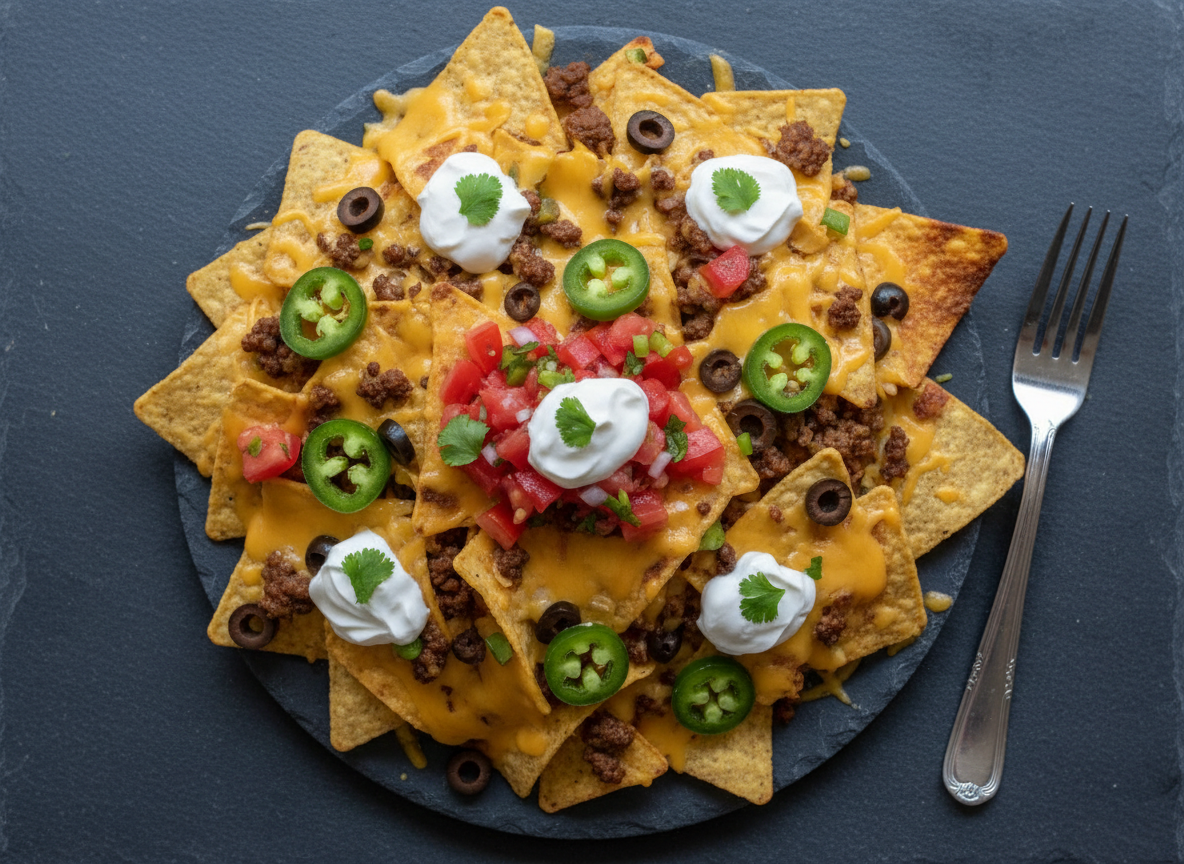
  • High-Protein Loaded Nachos

    High-Protein Loaded Nachos

    Recipe · Anabolic / Dinner / High-protein

    High-Protein Loaded Nachos

    A whole plate of loaded nachos built to feed one hungry lifter properly — seasoned lean mince, a sensible pile of baked chips, light cheese, and a cold drift of Greek-yoghurt “sour cream” on top. About 42 grams of protein and 560 calories, and not one ounce of shame on the plate. This is sharing food made just for you.

    GoalAnabolic
    Total time25 min
    Servings1 plate
    Protein / serving42 g
    Calories / serving560 kcal
    A loaded plate of high-protein nachos topped with seasoned mince, melted cheese, Greek-yoghurt sour cream, salsa and jalapeños under cold light Plate 01 / Finished

    The thing I missed most when I started eating for the stage wasn’t the food itself — it was the sharing of it. A big communal plate of nachos in the middle of the table, everyone’s hands going in at once, somebody arguing over who took the last chip with the most cheese on it. That’s a warm thing. And for a long while I thought I had to give it up entirely, that nachos were simply off the table for a man counting his macros. I was wrong about that, and somebody should have told me sooner.

    So I built my own version. Not a sad pile of plain chips with a spoon of beans — a proper loaded plate, made to feed one big hungry person all on its own. Lean mince, seasoned until it actually tastes of something. A measured handful of baked chips instead of a whole greasy bag. Light cheese where it counts, and a cold spoonful of Greek yoghurt standing in for the sour cream so well you won’t miss the real thing. It lands at around 42 grams of protein and 560 calories for the whole plate, and it eats like a treat because it is one.

    There’s no catch here, love. You’re not paying for this later, you didn’t have to be good all day to deserve it, and nothing about it is a slip. It’s just a smart, satisfying plate of food that happens to love you back. Make it on a Friday night, put your feet up, and eat the whole thing. I’ve got you.

    01Who it’s for & when to eat it

    This is one base plate that bends to whatever week you’re in. The nachos stay the same; what you do is nudge the chip count, the cheese, and the mince to fit your numbers. Here’s how I steer it.

    On a cut

    Lean it down

    Use turkey mince and high-protein lentil chips, drop the cheese to a light scatter, and pile on extra salsa and jalapeños for flavour and volume. You still get a full loaded plate — just lighter and even higher in protein per calorie.

    On a bulk

    Build it up

    Add another handful of chips, a few more grams of cheese, and a scoop of black beans or guacamole. Easy extra calories with the same comfort. Numbers are in the variations below.

    On TRT

    Steady fuel

    The plate as written is a tidy balance — lean protein, a moderate carb portion, a sensible bit of fat. Good as an evening meal that keeps you full and supports recovery without overshooting.

    Timing: this is a brilliant post-training dinner — fast carbs from the chips, a big slug of protein from the mince and yoghurt, and enough on the plate that you actually feel fed. It’s also my honest answer to a Friday-night craving, no negotiation required.

    02Ingredients

    Makes 1 big plate — one full serving, built to fill up one hungry lifter. Want to feed two? Double every line; the only thing that matters is keeping the chip portion honest so the macros hold.

    Servings 1 · adjust on the live recipe card
    • Baked tortilla chips or high-protein chips45 g · 1.6 oz
    • Lean beef or turkey mince 5% fat120 g · 4.2 oz
    • Taco seasoning, cumin & paprika blend2 tsp
    • Light grated cheese30 g · 1.1 oz
    • 0% Greek yoghurt “sour cream”60 g · 2.1 oz
    • Salsa3 tbsp · 45 g
    • Pickled jalapeñosto taste
    • Spring onion, sliced1 stalk
    • Lime to finish½, wedged
    • Fresh coriandersmall handful

    Swaps I actually use: shredded cooked chicken breast works beautifully in place of the mince — same seasoning, same numbers, less washing up. For a deeper cut, lentil or chickpea chips push the protein up and the calories down. No fresh coriander? Leave it out; never sub dried, it does nothing here. And a spoon of mashed black beans folded into the mince stretches the plate and adds fibre without much fuss.

    03Step by step

    Brown the mince

    Sear it hard, then season

    Get a dry non-stick pan properly hot. Add the lean mince and leave it alone for a minute so it catches and browns before you break it up — lean mince needs that heat or it just goes grey and sad. Once it’s broken down and cooked through, stir in the taco seasoning, cumin and paprika with a splash of water and let it bubble for a minute.

    Magnus says: lean mince has no fat to fry in, so the pan does the work. Hot pan, patience, then season.

    Lean mince browning in a hot dry non-stick pan with taco seasoning being stirred in
    Arrange the chips

    Lay them out in one even layer

    Spread your measured chips across an ovenproof plate or small tray in a single layer, not a tall heap. You want every chip to get a little something on it, and a flat bed melts and crisps far more evenly than a pile.

    Baked tortilla chips spread in a single even layer across an ovenproof plate
    Layer it up

    Mince and cheese over the top

    Scatter the hot seasoned mince evenly across the chips, then sprinkle the light cheese over the lot. Try to get a bit of both into every corner so there are no bare chips left out in the cold.

    Magnus says: spread, don’t dump. A plate where every chip is loaded is the whole point of loaded nachos.

    Seasoned mince and grated cheese scattered evenly over the layer of chips
    Melt the cheese

    Grill until just bubbling

    Slide the plate under a hot grill for two to three minutes, until the cheese melts and turns glossy and the chip edges go golden. Watch it the whole time — thin baked chips catch fast, and there’s no saving a burnt one.

    The loaded plate under a grill with the cheese melting and bubbling over the mince
    Add the cold bits

    Spoon on the yoghurt, salsa & jalapeños

    Out it comes. Now spoon the Greek yoghurt over in soft dollops, add the salsa, scatter the jalapeños, spring onion and coriander, and finish with a hard squeeze of lime. The cold against the hot melted cheese is the best part — don’t rush it on while everything’s scalding.

    Magnus says: the yoghurt is your sour cream, and a good one. Cold, tangy, and it carries a third of your protein.

    Greek yoghurt, salsa, jalapeños and coriander being spooned over the hot loaded nachos
    Serve fast

    Eat it while it’s hot and crisp

    Nachos wait for no one, love. Carry the plate straight to the table and dig in while the chips are still crisp and the cheese still pulls. This is a plate built to be eaten now, with your hands, happily.

    The finished loaded nachos plated and ready to eat, cheese pulling, chips crisp

    04The spec sheet

    Real numbers, calculated — not guessed. The recipe makes one full plate of roughly 330g. Here’s what the whole serving gives you, and the same plate flattened to a per-100g view so you can compare it against anything else in your week.

    Macros — per serving & per 100g
    NutrientPer servingPer 100g
    Energy560 kcal170 kcal
    Protein42.0 g12.7 g
    Carbohydrate45.0 g13.6 g
    — of which sugars6.0 g1.8 g
    Fat22.0 g6.7 g
    — of which saturates8.0 g2.4 g
    Fibre5.0 g1.5 g
    Sodium~0.9 g~0.27 g
    Calorie density
    170 kcal / 100g

    Moderate. For a plate that eats like a proper treat, that’s a kind number — you get real volume, real cheese, real chips, and still a sensible total. Volume on your side.

    Protein per 100 kcal
    7.5 g / 100 kcal

    Solid for comfort food. The mince and the Greek yoghurt do the heavy lifting here, turning a snack-shaped plate into a meal that actually holds you.

    Key micros (per serving, approx.)
    • Zinc~7 mg · 64% DV
    • Vitamin B12~2.4 µg · 100% DV
    • Selenium~25 µg · 45% DV
    • Niacin (B3)~7 mg · 44% DV
    • Iron~3 mg · 17% DV
    • Calcium~200 mg · 15% DV

    A quick honest word on sodium: it sits moderate here, coming mostly from the chips, the seasoning and the salsa. If you’re watching it, reach for low-salt chips and a no-added-salt salsa and you’ll bring it down nicely. Macros are calculated from standard food-composition data and shift a little with your exact brands. Micronutrient figures are estimates against general adult Daily Values, for guidance, not medical advice — see our Nutrition Disclaimer.

    05Bulk / Cut / TRT variations

    One plate, three jobs. The build stays the same — you adjust the chips, the cheese, and the protein to fit the week. Macros below are for the full plate with the changes listed.

    Cut

    The lean default

    Turkey mince and lentil chips, cheese dropped to a light scatter, double the salsa and jalapeños for volume. Still a full loaded plate — just lighter, leaner, and even higher in protein for the calories. My pick when the numbers are tight.

    440Kcal
    45G Protein
    12G Fat
    Bulk

    Build it up

    Another handful of chips, a bit more cheese, and a scoop of black beans plus a spoon of guacamole on top. Easy extra calories with the same comfort, and the fibre and fats round it out into a big, satisfying plate.

    780Kcal
    50G Protein
    34G Fat
    TRT

    Steady & balanced

    The plate as written, with a few avocado slices added for healthy fat. Lean protein, a moderate carb portion, balanced fats — full, satisfied, and nothing overshot for an everyday evening meal.

    620Kcal
    43G Protein
    28G Fat

    06Meal prep & storage

    The trick with nachos and prep is simple: prep the parts, never the plate. Cook the components ahead, keep them separate, and build the plate fresh in five minutes when you want it. Here’s how I store each piece.

    Fridge
    4 days

    The seasoned mince keeps beautifully in an airtight container for up to four days. Reheat it in the pan or microwave just before you build the plate.

    Freezer
    3 months

    The cooked mince freezes well — portion it flat in bags so it thaws fast. Defrost overnight in the fridge, then reheat through before topping fresh chips.

    Assemble
    Fresh

    Chips, cheese, yoghurt, salsa and the cold bits go on at the last minute only. Built fresh, the whole plate comes together in about five minutes.

    Please don’t assemble these ahead, love — it’s the one rule. Chips go soft and sad the moment they sit under wet toppings, and a soggy nacho is a betrayal. Prep the mince in batches, keep everything else apart, and load a fresh crisp plate each time. Five minutes, every time, properly good.

    Free · the 7-day “Get Fed” plan

    Want a whole week built around food like this?

    Drop your email and I’ll send you my free 7-day plan — meals, macros already counted, grocery list written. No spam, no lectures.

    No spam. Unsubscribe whenever. See what’s in the plan →

    07Common questions

    Which chips should I use to keep calories down? +

    Baked tortilla chips are the easy win over fried — same crunch, far less fat. For the leanest plate, reach for lentil or chickpea chips: they bring a little extra protein and fibre and let you eat a slightly bigger handful for the same calories. Whatever you pick, weigh the portion once so the maths stays honest, then you’ll know it by eye.

    How do I keep the chips from going soggy? +

    Two rules. Spread the chips in a single layer so heat and cheese reach all of them evenly, and put every wet topping — yoghurt, salsa, jalapeños — on right at the end, off the heat, and eat straight away. The cold bits sitting on hot chips for any length of time is what turns them limp. Build fast, serve faster.

    Turkey or beef mince — which is better here? +

    Both work and both are good. Lean 5% beef gives you more iron and a richer flavour; lean turkey is a touch lighter and even leaner. On a hard cut I lean to turkey for the slightly better protein-per-calorie; the rest of the time I cook whichever’s in the fridge. Either way, season it well — lean mince needs the cumin and paprika to sing.

    How do I make these spicier? +

    Plenty of room to turn the heat up. Add chilli powder or a pinch of cayenne to the mince, choose a hot salsa, and be generous with the jalapeños. A few drops of hot sauce over the finished plate costs you almost nothing in calories and lifts the whole thing. Build the heat in layers and taste as you go.

    Can I make this vegetarian? +

    Easily, and it stays high in protein. Swap the mince for a tin of black beans (drained and seasoned the same way) or a good soy mince. Beans add fibre and bring the protein along nicely; soy mince keeps it closest to the original in texture. Same chips, same cheese, same cold toppings — the plate barely notices the difference.

    From my high-protein meal plans

    This plate lives inside a full week of meals.

    These loaded nachos are one dinner in my high-protein meal plans — a full week of satisfying, macro-counted meals with the grocery list already written. You pick the goal; I do the maths.

    See the meal plans →
    A loaded plate of high-protein nachos as featured in Magnus's meal plans, under cold light

    08Pairs well with

    Browse all recipes →

    Magnus Olafsson in his kitchen — bald, bearded and broad, in his pink apron, under cold light
    About the author

    Magnus Olafsson

    I’m Magnus — twenty years under the iron, from a cold gym in Stockholm to the classic-physique stage, and now mostly in my kitchen in a pink apron. I’ve cut for shows, bulked through winters, and I’ve been on TRT since I was thirty-five. I know what it takes to eat for the body you’re chasing, and I know it shouldn’t come with a side of shame.

    Everything here is food I actually cook and macros I actually count. I don’t diagnose, I don’t promise, and I never make a number up. I just feed you well and tell you the truth.

    B&K Classic Body Show Swedish Grand Prix · Super Series On TRT since 35 20 years training

    Slim Diet Era shares recipes and general nutrition information. It is not medical or dietetic advice, and we do not provide guidance on obtaining or using any controlled substance. See our Medical Disclaimer and Nutrition Disclaimer.

  • Edible Protein Cookie Dough

    Edible Protein Cookie Dough

    Recipe · Anabolic / Snack / High-protein

    Edible Protein Cookie Dough

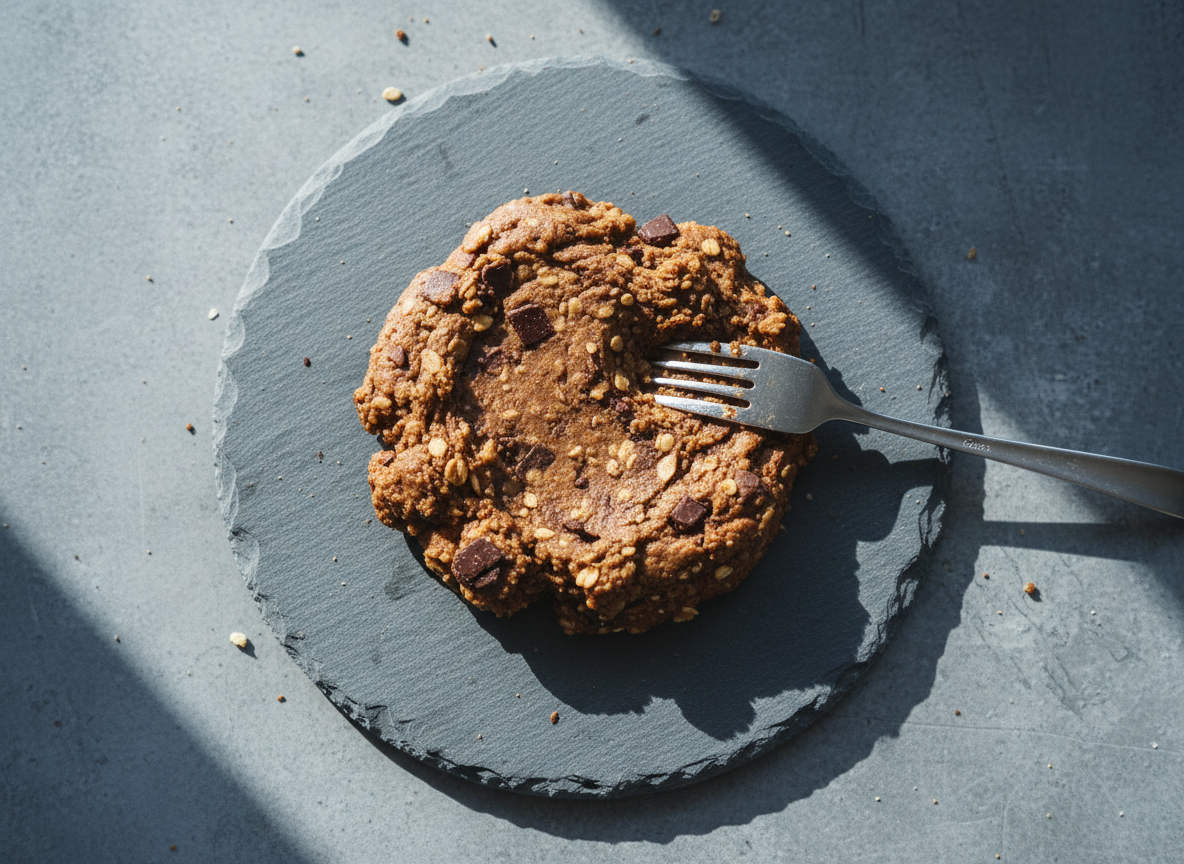
    A bowl of soft, scoopable cookie dough you eat by the spoon — no raw egg, no raw flour, just a base that’s safe to dig straight into. One bowl gives you a flat 24 grams of protein for around 300 calories, with dark chocolate chips folded all the way through. This is the snack I make when I want something that tastes like a treat and still pulls its weight.

    GoalAnabolic
    Total time~5 min
    Servings1 bowl
    Protein / serving24 g
    Calories / serving300 kcal
    A small bowl of soft protein cookie dough studded with dark chocolate chips, a spoon resting in it, under cold light Plate 01 / Finished

    When I was a boy in Sweden, my mother would mix a batch of cookie dough on a Saturday and turn her back for ten seconds, and ten seconds was all I needed. I’d take a fingerful straight from the bowl while it was still raw — that soft, sweet, half-mixed dough — and she’d catch me every time and laugh and swat my hand away. The cookies were always good. The dough was better. I think a lot of us carry that exact memory, and I think a lot of us got told somewhere along the way that we weren’t allowed to want it anymore.

    So here’s a grown-up version. Same soft, scoopable dough I loved as a kid, built so you can eat the whole bowl on purpose instead of stealing it. No raw egg and no raw flour — I’ll explain why that matters in a moment, plainly, because it does. In their place, a base of oat flour or chickpeas, a scoop of vanilla protein, a spoon of nut butter, and dark chocolate chips folded through so every bite finds one. It comes out at 24 grams of protein for about 300 calories. Real numbers, counted, not wishful.

    I make this most often as a late-evening snack, after training, when I want something sweet and I want it to actually do a job. It is not a sad protein bar pretending to be dessert. It is dough, eaten by the spoon, the way you wanted it at eight years old — and this time, love, nobody’s going to swat your hand away. I’ve got you.

    01Who it’s for & when to eat it

    One bowl, one base — but the way it fits your day changes with the goal. The dough stays the same; you nudge the portion and what you fold in. Here’s how I steer it.

    On a cut

    The sweet you can keep

    A single bowl, made with the oat-flour base and a level spoon of nut butter, lands light and satisfying. High protein for the calories, properly filling, and it scratches the dessert itch so you don’t go hunting for something heavier later in the evening.

    On a bulk

    Easy calories that taste good

    Add a second spoon of nut butter and a few extra chocolate chips. Suddenly you’ve got a calorie-dense, high-protein snack that’s genuinely pleasant to eat — useful when appetite is the bottleneck and you need the numbers up. See the variations below for the maths.

    On TRT

    Steady evening fuel

    A moderate bowl with a normal scoop of protein and a sensible spoon of nut butter. Protein to support recovery, a little slow carb from the oats or chickpeas, and a treat that keeps you full without overshooting the day’s calories.

    Timing: this is a beautiful post-training snack or a quiet end-of-day one. The protein helps you recover; the oats or chickpeas give it a slow, settling carb so it doesn’t spike and crash. Eat it cold from the fridge with a spoon — that’s how it’s best.

    02Ingredients

    Makes 1 bowl — one generous serving you eat by the spoon. Want two? Double every line; this scales cleanly because there’s no baking and no binding to balance. Pick one base: oat flour or chickpeas.

    Servings 1 · adjust on the live recipe card
    • Oat flour heat-treated — see step 130 g · ¼ cup
    • — or drained chickpeas instead of oat flour90 g · ½ cup
    • Vanilla protein powder25 g · 1 scoop
    • Nut butter peanut or almond15 g · 1 tbsp
    • Maple syrup or sweetener to taste10 g · 2 tsp
    • Milk to loosen30–45 ml · 2–3 tbsp
    • Salt1 pinch
    • Dark chocolate chips10 g · 1 tbsp
    • Vanilla extract½ tsp

    Swaps I actually use: the chickpea base makes a softer, more truly dough-like texture and you’d never taste the bean once the vanilla and chocolate are in — it’s my favourite. The oat-flour base is quicker and a touch nuttier. Out of maple? A little honey, a date paste, or a calorie-free sweetener all work; adjust to your own sweet tooth. Any milk does the job — dairy, soy, oat, almond — it’s only there to bring the dough together.

    03Step by step

    Make it safe

    Heat-treat the oat flour first

    If you’re using oat flour, spread it on a tray and bake at 160°C (320°F) for about 8 minutes, or microwave it in 30-second bursts until it reaches 74°C / 165°F. Let it cool. Raw flour and oats can carry bacteria, so this little step makes the dough genuinely safe to eat raw. Using chickpeas instead? They’re already cooked — skip straight to the next step.

    Magnus says: this isn’t fussiness, love — it’s the one part I won’t let you skip. Heat-treated flour, no raw egg, and the bowl is safe to dig into.

    Oat flour spread thin on a baking tray being heat-treated in the oven
    The base

    Blend or mash until smooth

    For the chickpea base, tip the drained chickpeas into a small blender or bowl and blitz or mash until completely smooth — no lumps, that’s what makes it eat like dough. For the oat-flour base, just have your cooled, heat-treated flour ready in a bowl; no blending needed.

    Drained chickpeas being blended smooth in a small food processor
    Build it up

    Add protein and nut butter

    Stir in the vanilla protein powder, the nut butter, the maple or sweetener, the vanilla extract and a pinch of salt. The salt matters more than you’d think — it’s what stops a sweet thing tasting flat and makes it taste like a proper cookie.

    Magnus says: taste as you go. Protein powders vary in sweetness, so add the maple last and to your own mouth.

    Vanilla protein powder and a spoon of nut butter being stirred into the base
    Loosen it

    Add milk a splash at a time

    Now bring it to a dough. Add the milk a tablespoon at a time, stirring between each, until it’s soft and scoopable but not runny — thick enough to hold its shape on a spoon. Protein powder drinks up liquid, so go slow; you can always add more, you can’t take it back.

    Milk being added a splash at a time and stirred into a thick scoopable dough
    Finish

    Fold in the chips and serve

    Fold the dark chocolate chips through so they’re spread all the way to the edges, then scoop it into a bowl. Eat it straight away with a spoon, or chill it for ten minutes if you like it firmer and colder — I usually can’t wait that long.

    Magnus says: that’s it. No oven, no waiting, no guilt — just a bowl of dough that’s good for you and good to you.

    The finished protein cookie dough scooped into a bowl with dark chocolate chips folded through

    04The spec sheet

    Real numbers, calculated — not guessed. One bowl weighs around 120g all in. Here’s what that single serving gives you, and a flat 100g for comparison.

    Macros — per serving & per 100g
    NutrientPer servingPer 100g
    Energy300 kcal250 kcal
    Protein24.0 g20.0 g
    Carbohydrate26.0 g21.7 g
    — of which sugars10.0 g8.3 g
    Fat10.0 g8.3 g
    — of which saturates2.6 g2.2 g
    Fibre5.0 g4.2 g
    Sodium~0.22 g~0.18 g
    Calorie density
    250 kcal / 100g

    Moderate — exactly where you want a sweet snack to sit. Filling enough to satisfy, light enough that one honest bowl fits comfortably inside most days.

    Protein per 100 kcal
    8.0 g / 100 kcal

    Strong for a dessert. For a snack that eats like cookie dough, getting a third of the calories from protein is genuinely good going.

    Key micros (per serving, approx.)
    • Magnesium~70 mg · 17% DV
    • Phosphorus~190 mg · 27% DV
    • Manganese~0.9 mg · 39% DV
    • Iron~2.0 mg · 11% DV
    • Folate~60 µg · 15% DV
    • Potassium~260 mg · 6% DV

    Macros are calculated from standard food-composition data and will shift a little with your exact base, protein brand and chosen sweetener. Micronutrient figures are estimates against general adult Daily Values. Numbers are for guidance, not medical advice — see our Nutrition Disclaimer.

    05Bulk / Cut / TRT variations

    One bowl, three jobs. The dough stays the same — you adjust the nut butter, the chips, and the portion. Macros below are for the full serving as described.

    Cut

    The lean bowl

    The oat-flour base, a level spoon of nut butter, sweetener instead of maple, and a light scatter of chips. Maximum satisfaction, minimum calories — the version I reach for when the day’s getting tight but I still want something sweet.

    250Kcal
    24G Protein
    7G Fat
    Bulk

    Build it up

    A double spoon of nut butter, a full pour of maple, and extra chocolate chips folded through. Calorie-dense and easy to eat when appetite is the thing holding your day back. A real, pleasant way to get the numbers up.

    470Kcal
    28G Protein
    22G Fat
    TRT

    Steady & balanced

    The chickpea base, a normal spoon of nut butter, maple to taste. A little more slow carb and fibre from the beans, lean protein, a sensible amount of fat — full, satisfied, and nothing overshot.

    320Kcal
    25G Protein
    11G Fat

    06Meal prep & storage

    This keeps well, which makes it a smart thing to have waiting for you. I’ll often make a triple batch on a Sunday so there’s a sweet, high-protein snack ready the moment I want one.

    Fridge
    4 days

    Keep it in an airtight container. It firms up a little as it chills, which I love — eat it cold, straight from the tub, with a spoon.

    Freezer
    2 months

    Freezes well. Thaw a portion overnight in the fridge, or roll it into bites first (see right) and eat them part-frozen for a firmer texture.

    Dough-bites
    12 balls

    Roll a triple batch into small balls and chill or freeze them. Portioned, grab-and-go, and the maths is already done for you — one bite, known macros.

    For prep, the dough-bites are the move: roll, chill, and you’ve got a week of small, exact snacks ready to grab. No melting, no fuss — they hold their shape and stay soft enough to eat the moment you take one out.

    Free · the 7-day “Get Fed” plan

    Want a whole week built around food like this?

    Drop your email and I’ll send you my free 7-day plan — meals, macros already counted, grocery list written. No spam, no lectures.

    No spam. Unsubscribe whenever. See what’s in the plan →

    07Common questions

    Is it really safe to eat raw? +

    Yes — that’s the whole point of how it’s built. There’s no raw egg in it at all. The only thing to handle is the flour: raw flour and raw oats can carry bacteria, so if you use the oat-flour base you heat-treat it first (step 1) until it hits 74°C / 165°F, then cool it. If you use the chickpea base, the beans are already cooked, so there’s nothing to treat. Done either way, the bowl is genuinely safe to dig straight into.

    Chickpea or oat base — which tastes better? +

    Honestly, both are good. The chickpea base is softer and more truly dough-like, and once the vanilla, sweetener and chocolate are in you’d never guess there’s a bean in there — it’s my personal favourite. The oat-flour base is quicker (no blending) and a touch nuttier with a little more chew. Try both and see which mouth-feel you like; there’s no wrong answer.

    Can I make it without protein powder? +

    You can, though you’ll lose the headline protein number. Swap the scoop for a few extra spoons of your base and a little more sweetener and milk to balance it, or stir in a couple of tablespoons of dried milk powder for some protein without the powdery aftertaste some scoops have. It’ll be more of a sweet treat than a 24g protein snack, but it’ll still taste lovely.

    Mine came out too dry — or too wet. What now? +

    Easy fix, love. Too dry: add milk a teaspoon at a time, stirring, until it loosens to a soft, scoopable dough — protein powder soaks up liquid fast, so it’s usually just thirsty. Too wet: stir in a little more of your base (oat flour or mashed chickpea) or an extra half-scoop of protein to thicken it back up. Add slowly either way and you’ll land it.

    Can I make it vegan? +

    Yes, and it works beautifully. Use a plant-based vanilla protein, a plant milk (soy and oat both go creamy), maple syrup rather than honey, and dairy-free dark chocolate chips. The chickpea base is naturally plant-based already, so that’s the simplest route — everything else just swaps one-for-one.

    From my high-protein meal plans

    This bowl belongs inside a full week of food.

    This dough is one of the snacks I build into my high-protein meal plans — a whole week of meals with the macros counted and the grocery list written. You pick the goal; I do the maths and feed you well.

    See the meal plans →
    A bowl of protein cookie dough with dark chocolate chips, plated under cold light

    08Pairs well with

    Browse all recipes →

    Magnus Olafsson in his kitchen — bald, bearded and broad, in his pink apron, under cold light
    About the author

    Magnus Olafsson

    I’m Magnus — twenty years under the iron, from a cold gym in Stockholm to the classic-physique stage, and now mostly in my kitchen in a pink apron. I’ve cut for shows, bulked through winters, and I’ve been on TRT since I was thirty-five. I know what it takes to eat for the body you’re chasing, and I know it shouldn’t come with a side of shame.

    Everything here is food I actually cook and macros I actually count. I don’t diagnose, I don’t promise, and I never make a number up. I just feed you well and tell you the truth.

    B&K Classic Body Show Swedish Grand Prix · Super Series On TRT since 35 20 years training

    Slim Diet Era shares recipes and general nutrition information. It is not medical or dietetic advice, and we do not provide guidance on obtaining or using any controlled substance. See our Medical Disclaimer and Nutrition Disclaimer.

  • Anabolic Cinnamon Roll

    Anabolic Cinnamon Roll

    Recipe · Anabolic / Breakfast / High-protein

    Anabolic Cinnamon Roll

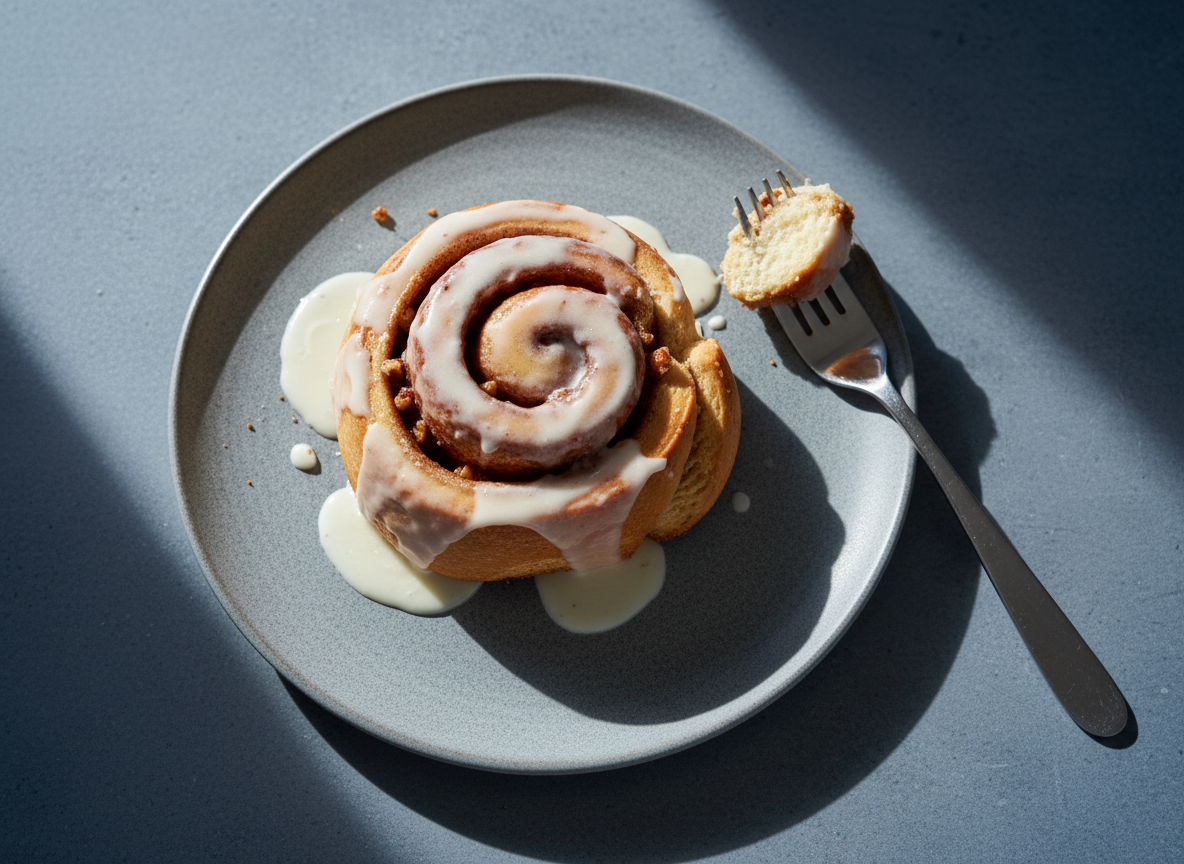
    One warm, soft cinnamon roll with a thick protein cream-cheese glaze — 26 grams of protein and 360 calories in a single serving. A Greek-yoghurt dough, a cinnamon swirl, and breakfast that tastes like a treat and feeds you like a meal. This is the one I make on slow mornings, and I want you to have it too.

    GoalAnabolic
    Total time35 min
    Servings1 roll
    Protein / serving26 g
    Calories / serving360 kcal
    A warm high-protein cinnamon roll with a thick protein cream-cheese glaze, plated under cold light Plate 01 / Finished

    When I was a boy in Stockholm, Saturday meant kanelbulle. My grandmother would walk me past the bakery on the corner, the window steamed up, the whole street smelling of cinnamon and cardamom, and she’d buy me one roll the size of my small fist. I have never once forgotten the warmth of it. That smell is half my childhood. I’m not going to pretend a protein recipe can replace a real bakery bun — it can’t, and I won’t lie to you about it.

    But here’s what it can do. It can give you that same soft, cinnamon-swirled comfort on a Tuesday morning when you’ve got macros to hit and a long day ahead, and it can do it for 26 grams of protein and 360 calories. The dough is just Greek yoghurt and self-raising flour, no waiting around for yeast to rise, no kneading for an hour. The glaze is protein powder folded into light cream cheese, thick enough to sit on top in a proper ribbon. It comes together in about half an hour, start to plate.

    I make one for myself most weekends now, love, usually still in the pink apron, coffee going cold beside me because I get distracted watching the glaze melt into the warm top. It is not a sad imitation of a treat. It is a real, good breakfast that happens to have the protein of a chicken breast tucked inside it. Make it once and I think it earns a place in your mornings. I’ve got you.

    01Who it’s for & when to eat it

    This is a high-protein breakfast that flexes to your goal. The roll itself stays the same soft, cinnamon-swirled base; you nudge the glaze and the portion to match what you’re doing. Here’s how I steer it.

    On a cut

    The smart treat

    Make the glaze with a sugar-free sweetener and lighter cream cheese, and let this one roll be the satisfying centrepiece of breakfast. High protein, sensible calories — the kind of morning that keeps you full and keeps you from feeling deprived.

    On a bulk

    Build it up

    Same roll, more around it. Serve it next to a couple of whole eggs or a scoop of Greek yoghurt and berries, and use the brown sugar in the filling for easy extra calories. Comfortable, calorie-dense, still high in protein.

    On TRT

    Steady fuel

    A balanced morning plate — one roll with some fruit and a coffee. Lean protein and slow carbs to start the day full and even, without overshooting. Easy on the stomach first thing too.

    Timing: this shines as a weekend or rest-day breakfast when you’ve got ten quiet minutes. It also works beautifully after a morning session — fast carbs and a solid hit of protein to start recovery while you’re still warm from training.

    02Ingredients

    Makes 1 roll — one good serving. Want a batch? Scale every line in proportion and bake them together in a small dish; the dough ratio (equal parts yoghurt to flour, by feel) is what keeps it soft, so hold that.

    Servings 1 · adjust on the live recipe card
    • Greek yoghurt dough · 0% or 2%60 g · ¼ cup
    • Self-raising flour or plain + ¾ tsp baking powder60 g · ½ cup
    • Salt dough1 pinch
    • Butter or light spread, softened filling5 g · 1 tsp
    • Ground cinnamon filling1 tsp · 3 g
    • Brown sugar or granulated sweetener filling1 tbsp · 12 g
    • Vanilla or plain protein powder glaze15 g · ½ scoop
    • Light cream cheese glaze30 g · 2 tbsp
    • Milk glaze · to loosen1–2 tsp · 5–10 ml

    Swaps I actually use: no self-raising flour? Use plain flour with ¾ teaspoon of baking powder stirred through — same result. For a deeper cut, swap the brown sugar for a granulated sweetener and use fat-free cream cheese in the glaze. Casein or a thicker whey blend makes the nicest glaze; a thin whey can go runny, so add the milk a few drops at a time. Out of cinnamon? A little mixed spice or cardamom leans it Swedish.

    03Step by step

    Make the dough

    Stir yoghurt and flour into a soft dough

    In a bowl, mix the Greek yoghurt, self-raising flour and a pinch of salt with a spoon until it clumps, then bring it together with your hands. It should be soft and a little tacky, not wet. If it’s sticking badly, work in a teaspoon more flour at a time.

    Magnus says: don’t drown it in flour out of fear. A slightly tacky dough bakes up softer than a dry one.

    Greek yoghurt and flour being mixed into a soft dough in a bowl
    Roll & fill

    Roll it flat, spread the cinnamon swirl

    On a lightly floured surface, roll the dough into a rectangle about 5mm thick. Spread the softened butter right to the edges, then scatter the cinnamon and brown sugar evenly over the top. Press it in gently with the back of the spoon so it stays put when you roll.

    Rolled-out dough rectangle spread with butter, cinnamon and brown sugar
    Shape the roll

    Roll it up tight and tuck the seam

    From the long edge, roll the dough up into a snug log, keeping it tight so you get a proper spiral. For one big roll, curl the log into a coil and tuck the end underneath. For a small batch, slice the log into rounds and stand them cut-side up.

    Magnus says: tight rolling is the whole trick to a swirl that holds. Loose dough unwinds in the heat.

    Dough rolled into a tight log and coiled into a single cinnamon roll
    Bake

    180°C for 18–22 minutes, until golden

    Set the roll in a small lined or lightly greased dish and bake at 180°C (355°F) for 18 to 22 minutes, until the top is golden and the centre is set, not doughy. Let it cool for five minutes — warm is perfect, but glaze too soon and it’ll slide straight off.

    Magnus says: a skewer in the middle should come out clean. Pale and wobbly means a few minutes more.

    A baked cinnamon roll, golden on top, resting in a small dish
    Make the glaze

    Whip protein into the cream cheese

    While it cools, stir the protein powder into the light cream cheese until smooth, then loosen with milk a few drops at a time until it’s thick but pourable — like soft icing. Add the milk slowly; you can always thin it, but you can’t easily thicken it back up.

    Protein powder being whisked into light cream cheese to make a thick glaze
    Glaze & serve

    Ribbon it over the warm roll

    Spoon the glaze over the still-warm roll so it softens and melts down into the swirl. Eat it right away while the middle is soft and the glaze is just starting to run. This is the moment, love — don’t let it go cold on you.

    Magnus says: a little glaze on the plate to drag each bite through is not optional in my kitchen.

    Protein cream-cheese glaze being spooned over the warm cinnamon roll

    04The spec sheet

    Real numbers, calculated — not guessed. One serving is the whole roll plus its glaze, about 140g of finished food. Here’s what that serving and a flat 100g actually give you.

    Macros — per serving & per 100g
    NutrientPer servingPer 100g
    Energy360 kcal257 kcal
    Protein26.0 g18.6 g
    Carbohydrate45.0 g32.1 g
    — of which sugars12.0 g8.6 g
    Fat8.0 g5.7 g
    — of which saturates4.0 g2.9 g
    Fibre3.0 g2.1 g
    Sodium~0.42 g~0.30 g
    Calorie density
    257 kcal / 100g

    Moderate, for a sweet breakfast. For something that eats like a bakery treat, that’s a kind number — and the protein and fibre keep you full far longer than a shop-bought bun would.

    Protein per 100 kcal
    7.2 g / 100 kcal

    Strong for a cinnamon roll. A normal one is mostly flour and sugar; this one carries the protein of a small meal in the same warm, soft package.

    Key micros (per serving, approx.)
    • Calcium~200 mg · 15% DV
    • Phosphorus~260 mg · 37% DV
    • Selenium~22 µg · 40% DV
    • Vitamin B12~0.9 µg · 38% DV
    • Manganese~0.5 mg · 22% DV
    • Iron~1.4 mg · 8% DV

    Macros are calculated from standard food-composition data and will shift a little with your exact ingredients, brands and protein powder. Micronutrient figures are estimates against general adult Daily Values. Numbers are for guidance, not medical advice — see our Nutrition Disclaimer.

    05Bulk / Cut / TRT variations

    One roll, three jobs. The base bakes the same — you adjust the filling sweetener, the glaze, and what you put alongside it. Macros below are for the full serving plus the additions listed.

    Cut

    The lighter swirl

    Swap the brown sugar for a granulated sweetener and use fat-free cream cheese in the glaze. Same warm, cinnamon-rolled comfort, fewer calories — a satisfying breakfast that still leaves room in your day.

    290Kcal
    27G Protein
    5G Fat
    Bulk

    Build it up

    Keep the brown sugar, glaze it generously, and serve the roll next to two whole eggs or a bowl of Greek yoghurt with berries. Easy extra calories around a high-protein centre — comfortable fuel for a hard training day.

    560Kcal
    40G Protein
    18G Fat
    TRT

    Steady & balanced

    One roll with a piece of fruit and a black coffee. Lean protein, slow carbs, a little fat — full and even to start the day, with nothing overshot. The morning plate I reach for most.

    430Kcal
    29G Protein
    9G Fat

    06Meal prep & storage

    This one’s best fresh and warm, but it preps well if you keep the glaze separate. I’ll bake a small batch on a Sunday, cool them fully, and glaze each one as I eat it through the week.

    Fridge
    3 days

    Store baked, unglazed rolls in an airtight container. Keep the glaze in a separate pot and spoon it on just before eating so the roll doesn’t go soggy.

    Freezer
    2 months

    Freeze the cooled, unglazed rolls wrapped individually. Thaw overnight in the fridge, then warm through before glazing. Make the glaze fresh.

    Reheat
    30 sec

    A short blast in the microwave brings back the soft, warm centre. Or a few minutes in a low oven if you’ve got time. Glaze after, not before.

    For meal prep, I treat the rolls and the glaze as two separate jobs — bake a batch, keep a tub of glaze in the fridge, and you’ve got a warm, high-protein breakfast in under a minute on a rushed morning. That little bit of planning is what makes it stick.

    Free · the 7-day “Get Fed” plan

    Want a whole week built around food like this?

    Drop your email and I’ll send you my free 7-day plan — meals, macros already counted, grocery list written. No spam, no lectures.

    No spam. Unsubscribe whenever. See what’s in the plan →

    07Common questions

    My dough is too sticky to roll — what do I do? +

    Don’t panic, love. Work in a teaspoon of extra flour at a time until it’s tacky but manageable, and flour your surface and rolling pin lightly. Different Greek yoghurts hold different amounts of water, so the exact flour can wander a little. Aim for soft and just-slightly-sticky, not dry — that’s what keeps the baked roll tender.

    I don’t have protein powder — can I still make the glaze? +

    You can. Whisk the light cream cheese with a spoon of Greek yoghurt and a little sweetener and vanilla for a tangy, lighter glaze — you’ll lose a few grams of protein but it’s still good. Or stir the cream cheese with a touch of milk and sweetener on its own. The protein powder just bumps the macros and thickens it up.

    Can I swap the self-raising flour? +

    Yes. Plain (all-purpose) flour with ¾ teaspoon of baking powder stirred through gives the same lift. Wholemeal works too — it’ll be a touch denser and nuttier, so add a splash more yoghurt if it feels dry. A 1:1 gluten-free blend also rolls fine; just handle it gently as it can be more delicate.

    Can I make this ahead for the week? +

    Absolutely, and it’s how I do it. Bake a small batch, cool them fully, and store the rolls unglazed with the glaze in a separate pot. Warm a roll and glaze it fresh each morning — that keeps the swirl soft and the top from going sticky. See the meal prep section above for fridge and freezer times.

    Can I make it dairy-free? +

    You can get close. Use a thick dairy-free yoghurt for the dough and a dairy-free cream cheese plus a plant protein powder for the glaze. The dough behaves a little differently depending on the yoghurt’s thickness, so adjust the flour by feel. The macros will shift with your chosen products, so check the labels and recalculate.

    From my high-protein meal plans

    This roll lives inside a full week of meals.

    This cinnamon roll is one breakfast in my high-protein meal plans — full weeks of food with the macros counted and the grocery list written for you. You pick the goal; I do the maths.

    See the meal plans →
    The high-protein cinnamon roll with its protein cream-cheese glaze, plated under cold light

    08Pairs well with

    Browse all recipes →

    Magnus Olafsson in his kitchen — bald, bearded and broad, in his pink apron, under cold light
    About the author

    Magnus Olafsson

    I’m Magnus — twenty years under the iron, from a cold gym in Stockholm to the classic-physique stage, and now mostly in my kitchen in a pink apron. I’ve cut for shows, bulked through winters, and I’ve been on TRT since I was thirty-five. I know what it takes to eat for the body you’re chasing, and I know it shouldn’t come with a side of shame.

    Everything here is food I actually cook and macros I actually count. I don’t diagnose, I don’t promise, and I never make a number up. I just feed you well and tell you the truth.

    B&K Classic Body Show Swedish Grand Prix · Super Series On TRT since 35 20 years training

    Slim Diet Era shares recipes and general nutrition information. It is not medical or dietetic advice, and we do not provide guidance on obtaining or using any controlled substance. See our Medical Disclaimer and Nutrition Disclaimer.

  • Chocolate Protein Mug Cake

    Chocolate Protein Mug Cake

    Recipe · Anabolic / Dessert / High-protein

    Chocolate Protein Mug Cake

    A warm, gooey chocolate cake in a mug — ready in about five minutes, with 28 grams of protein and 330 calories. Soft in the middle, deep and cocoa-dark, the kind of late-night sweet thing you can actually fit into your day. One mug, one fork, no fuss. I made this so you’d never have to stand at the cupboard at 10pm feeling like you’d done something wrong.

    GoalAnabolic
    Total time~5 min
    Servings1 mug
    Protein / serving28 g
    Calories / serving330 kcal
    A dark chocolate protein mug cake with a gooey centre, steam rising, plated under cold light Plate 01 / Finished

    There’s a particular hour — late, quiet, the dishes done and the gym bag packed for the morning — when a person starts wanting chocolate. I know it well. For years I’d stand in front of the cupboard at that hour, hungry but not really hungry, just wanting something warm and sweet to close the day, and I’d talk myself out of it or talk myself into something I’d feel daft about afterwards. Neither felt good. So one night I stopped negotiating with myself and built this instead.

    It started rough. The first few were dry little hockey pucks — protein powder will do that to you if you let it. But I kept tinkering: a spoon of cocoa for proper depth, a little oat flour so it bakes like cake and not like a sponge, an egg white to keep it tender, and the trick that changed everything, which is to pull it out of the microwave while the middle is still soft. After about sixty goes I had it. Deep, dark, gooey in the centre, 28 grams of protein, 330 calories, and done before the kettle’s even boiled.

    I want you to have this one, love. Not as a reward you’ve got to deserve and not as something to whisper about — just as a good, warm thing you can make on a Tuesday night and eat with a fork straight from the mug. It fits the day. It tastes like cake. And the next time that quiet hour comes round, you’ll have a plan instead of a worry. I’ve got you.

    01Who it’s for & when to eat it

    This is a single-serving dessert with a serious protein hit, which makes it useful far beyond just being a treat. The mug cake stays the same; what changes is how you slot it into your day. Here’s how I steer it.

    On a cut

    The evening sweet

    Make it with egg white and skip the chocolate chips. You get a warm, satisfying dessert for around 300 calories with the protein still high — exactly what you want when there’s a little room left in the day and a craving you’d rather feed than fight.

    On a bulk

    An easy 400+

    Use a whole egg, a splash more milk, a spoon of peanut butter and the chocolate chips. Calorie-dense, properly chocolatey, and an easy way to land more food when you’re struggling to eat enough. See the variations below for the numbers.

    On TRT

    Steady & satisfying

    The default build is a tidy, balanced dessert — decent protein, moderate carbs, low fat. A sensible way to close out the evening that keeps you full and content without overshooting the day’s calories.

    Timing: this shines as a post-dinner dessert or a slow-digesting bite before bed — protein and a little carb to settle the evening. It’s also a fine post-training sweet if you’ve got calories to spend and a chocolate craving to answer.

    02Ingredients

    Makes 1 mug cake — one generous serving, eaten straight from the mug. Doubling for two? Use two separate mugs rather than one big one; a single deep mug cooks unevenly and you’ll end up with raw middle and rubbery edges.

    Servings 1 · adjust on the live recipe card
    • Chocolate protein powder whey or blend30 g · 1 scoop
    • Cocoa powder unsweetened10 g · 1 tbsp
    • Oat flour or plain flour15 g · 2 tbsp
    • Baking powder2 g · ½ tsp
    • Egg or egg white binder1 (or 2 whites)
    • Milk any kind60 ml · ¼ cup
    • Sweetener to tasteto taste
    • Salt1 pinch
    • Dark chocolate chips optional10 g · 1 tbsp

    Swaps I actually use: egg white in place of the whole egg keeps it leaner; a whole egg makes it richer and more cake-like. No oat flour? Plain flour works, or blitz a tablespoon of oats fine in a grinder. Any milk does the job — dairy, oat, soy — soy and dairy add a touch more protein. For sweetener, a little granulated stevia or erythritol keeps the calories where they are; a teaspoon of honey or maple adds a few. Use a good chocolate protein powder you actually like the taste of — it’s most of the flavour here, so a bad one shows.

    03Step by step

    Dry first

    Whisk the dry mix right in the mug

    Pick a roomy microwave-safe mug — bigger than you think, because it rises. Add the protein powder, cocoa, oat flour, baking powder, sweetener and a pinch of salt. Stir them together with a fork until there are no streaks of cocoa hiding at the bottom.

    Magnus says: mix the dry properly now and you won’t bite into a pocket of raw baking powder later. Worth the ten seconds.

    Chocolate protein powder, cocoa and dry ingredients whisked together in a mug with a fork
    Add the wet

    In with the egg and milk

    Crack in the egg (or pour in the egg whites) and add the milk. Tip in the chocolate chips now too if you’re using them — they’ll melt into little molten pockets, which is half the joy of this.

    An egg and milk being added to the dry chocolate mix in a mug
    Stir smooth

    Beat it to a smooth, thick batter

    Stir hard with the fork until the batter is smooth and lump-free — like a thick brownie mix. Scrape down the sides and get into the corners of the mug. If it looks too stiff to fall off the fork, loosen it with a splash more milk.

    Magnus says: a smooth batter bakes even. Lumps mean dry bits next to gooey bits, and not in the good way.

    A smooth, thick chocolate protein batter stirred together in a mug
    Microwave

    60–90 seconds, and watch it

    Microwave on full power for 60 seconds first, then check. It should be risen and set at the edges but still soft and a little wet on top. If it needs more, go in 10-second bursts until just done. Most mugs land somewhere between 60 and 90 seconds.

    Magnus says: stop while the middle still looks slightly underdone — that’s where the gooey comes from. Protein cake turns to rubber the second you overcook it, and there’s no coming back. Pull it early, every time.

    A risen chocolate mug cake in the microwave, soft and gooey on top
    Rest & top

    Let it settle, then dig in

    Give it a minute to rest — it firms up as it cools and the centre stays molten. Top it however you like: a spoon of plain yoghurt, a drizzle of peanut butter, a few berries, or nothing at all. Eat it warm, straight from the mug.

    The finished chocolate protein mug cake topped with yoghurt, a fork resting in the gooey centre

    04The spec sheet

    Real numbers, calculated — not guessed. The recipe makes one mug cake weighing roughly 150g once baked. Here’s what the whole serving gives you, and what a flat 100g works out to for comparison.

    Macros — per serving & per 100g
    NutrientPer servingPer 100g
    Energy330 kcal220 kcal
    Protein28.0 g18.7 g
    Carbohydrate30.0 g20.0 g
    — of which sugars6.0 g4.0 g
    Fat9.0 g6.0 g
    — of which saturates3.4 g2.3 g
    Fibre5.0 g3.3 g
    Sodium~0.34 g~0.23 g
    Calorie density
    220 kcal / 100g

    Moderate for a dessert, and low for chocolate cake. You get a warm, filling sweet thing for the calories of a couple of biscuits — and a lot more protein to show for it.

    Protein per 100 kcal
    8.5 g / 100 kcal

    Strong for a dessert. Most sweets give you next to nothing here; this one carries real protein, which is why it actually keeps you satisfied instead of leaving you hunting for more.

    Key micros (per serving, approx.)
    • Phosphorus~260 mg · 37% DV
    • Magnesium~95 mg · 23% DV
    • Iron~2.6 mg · 14% DV
    • Calcium~160 mg · 12% DV
    • Vitamin B12~1.0 µg · 42% DV
    • Selenium~18 µg · 33% DV

    Macros are calculated from standard food-composition data and will shift a little with your exact protein powder, milk and sweetener. Micronutrient figures are estimates against general adult Daily Values. Numbers are for guidance, not medical advice — see our Nutrition Disclaimer.

    05Bulk / Cut / TRT variations

    One mug, three jobs. The base stays the same — you adjust the egg, the extras and the topping. Macros below are for the whole mug cake as built.

    Cut

    The lean version

    Made with 2 egg whites instead of a whole egg, skim or unsweetened plant milk, a zero-calorie sweetener and no chocolate chips. Still deep and chocolatey, still gooey, just lighter — the dessert I lean on when there’s a little room left in the day.

    300Kcal
    30G Protein
    6G Fat
    Bulk

    Build it up

    Use a whole egg, full-fat milk, the chocolate chips and a heaped spoon of peanut butter swirled through before it bakes. Rich, molten and calorie-dense — an easy way to add good food when you’re fighting to eat enough.

    520Kcal
    34G Protein
    22G Fat
    TRT

    Steady & balanced

    The default build with a whole egg, the chocolate chips, and a spoon of plain Greek yoghurt and a few berries on top. Solid protein, moderate carbs, sensible fat — a satisfying close to the evening with nothing overshot.

    360Kcal
    30G Protein
    11G Fat

    06Meal prep & storage

    A mug cake is meant to be made fresh — that’s the whole charm of it. But you can do the boring part ahead so it’s a thirty-second job when the craving lands. Here’s how I keep mine ready.

    Dry-mix jars
    1 month

    Whisk the dry ingredients — powder, cocoa, oat flour, baking powder, sweetener, salt — and portion them into small jars or bags. When you want one, just add the egg and milk, stir and microwave.

    Fridge
    2 days

    Made one and can’t finish it? Cover and chill. It firms up cold but is still good; a cooked mug cake keeps a day or two in the fridge without trouble.

    Reheat
    20 sec

    Bring a chilled one back to life with 15–20 seconds in the microwave — just enough to soften the middle again. Go easy; over-zapping tightens it up.

    My honest advice: make the dry-mix jars. Five minutes on a Sunday gets you a week of dessert that’s ready in the time it takes to find a fork. That’s the kind of small set-up that makes eating well feel easy instead of like work.

    Free · the 7-day “Get Fed” plan

    Want a whole week built around food like this?

    Drop your email and I’ll send you my free 7-day plan — meals, macros already counted, grocery list written. No spam, no lectures.

    No spam. Unsubscribe whenever. See what’s in the plan →

    07Common questions

    Mine came out rubbery — what went wrong? +

    You cooked it a touch too long, love. Protein powder sets fast and then keeps tightening, so even ten extra seconds turns it dry and bouncy. Next time, stop at 60 seconds, check it, and add time in small bursts only if the edges aren’t set. It should look slightly underdone on top when you pull it — it carries on cooking in the mug as it rests.

    Does the type of protein powder matter? +

    It does. Whey or a whey blend gives the softest, most cake-like result and is the easiest to work with. Casein bakes denser and absorbs more liquid, so if you use it, add an extra splash of milk and watch it doesn’t dry out. Plant proteins vary a lot — some go gritty — so if yours does, an extra spoon of oat flour and a little more milk smooths things over. Most of all, use one whose chocolate flavour you actually enjoy.

    No microwave — can I bake it in the oven? +

    Yes. Pour the batter into a small oven-safe ramekin and bake at 180°C (355°F) for about 12–15 minutes, until risen and just set with a soft centre. Same rule as the microwave: pull it while the middle still looks a little underdone, or it’ll dry out. It takes longer but the texture is lovely.

    Can I leave out the flour, or swap it? +

    The flour gives it structure so it bakes like cake rather than a wobbly sponge, so I’d keep some in. Oat flour and plain flour are interchangeable here. If you want it grain-free, a tablespoon of almond flour works but bakes denser and a bit richer. Leaving flour out entirely tends to give a rubbery, eggy result — not what we’re after.

    How do I make it gooier in the middle? +

    Two easy moves. First, undercook it slightly — pull it the moment the edges set and the centre still looks wet. Second, press a square of dark chocolate or a teaspoon of peanut butter into the centre of the batter before it goes in; it melts into a molten core. A splash more milk in the batter helps too. Gooey is a timing thing more than anything else.

    Can I make it without any egg? +

    You can. Skip the egg and use a little more milk to get the batter loose, or stir in a tablespoon of plain yoghurt or mashed banana to keep it moist and bind it. It’ll be a touch denser and the protein drops a little, but it still works well. Adjust the liquid by feel — you want a thick, pourable batter.

    From my high-protein meal plans

    This mug cake lives inside a full week of meals.

    A dessert like this is one plate in my high-protein meal plans — full weeks of food with the macros counted and the grocery list written, so the sweet things and the savoury things all add up the way they should. You pick the goal; I do the maths.

    See the meal plans →
    A gooey chocolate protein mug cake plated under cold light

    08Pairs well with

    Browse all recipes →

    Magnus Olafsson in his kitchen — bald, bearded and broad, in his pink apron, under cold light
    About the author

    Magnus Olafsson

    I’m Magnus — twenty years under the iron, from a cold gym in Stockholm to the classic-physique stage, and now mostly in my kitchen in a pink apron. I’ve cut for shows, bulked through winters, and I’ve been on TRT since I was thirty-five. I know what it takes to eat for the body you’re chasing, and I know it shouldn’t come with a side of shame.

    Everything here is food I actually cook and macros I actually count. I don’t diagnose, I don’t promise, and I never make a number up. I just feed you well and tell you the truth.

    B&K Classic Body Show Swedish Grand Prix · Super Series On TRT since 35 20 years training

    Slim Diet Era shares recipes and general nutrition information. It is not medical or dietetic advice, and we do not provide guidance on obtaining or using any controlled substance. See our Medical Disclaimer and Nutrition Disclaimer.

  • No-Bake Peanut Butter Protein Bars

    No-Bake Peanut Butter Protein Bars

    Recipe · Anabolic / Snack / High-protein

    No-Bake Peanut Butter Protein Bars

    Peanut butter, whey, oats and a little honey pressed into a tin and chilled — no oven, no faff. Each bar lands at 22 grams of protein for 260 calories, with a thin dark-chocolate top if you want it. A real snack that survives a gym bag and beats anything in the shop. I made this one for you.

    GoalAnabolic
    Total time15 min + 2h chill
    Servings8 bars
    Protein / serving22 g
    Calories / serving260 kcal
    A stack of no-bake peanut butter protein bars with a thin dark chocolate top, cut into neat squares under cold light Plate 01 / Finished

    For years I kept buying those shop protein bars — the shiny ones by the till, four quid each, the wrapper bigger than the bar inside. Half of them tasted like sweet cardboard and the other half melted into a sad puddle the second they sat in my bag past lunchtime. I’d be three hours from home, hungry, training in a couple of hours, and reaching for something that cost me a fortune and let me down. One winter I’d finally had enough, came home grumbling, and decided I’d just make my own. How hard could it be.

    Turns out, not hard at all. Peanut butter, a couple of scoops of whey, rolled oats, a spoon of honey to bring it together, a splash of milk so it presses clean. Mix it in one bowl, press it into a lined tin, chill it, slice it. That’s the whole job. No oven, no thermometer, no standing over a pan. And the maths is honest: 22 grams of protein per bar for 260 calories, which is a genuinely useful snack rather than a sugar bomb pretending to be one.

    These have lived in my fridge ever since. I wrap two in baking paper, drop them in my bag, and they’re still firm and good hours later — no puddle, no cardboard. My partner steals them, which is the highest praise food gets in this house. Make a batch on a Sunday and you’ve got a real snack sorted for the week, made by you, for a fraction of the price. I’ve got you on this one, love.

    01Who it’s for & when to eat it

    This is a portable, high-protein snack that bends to whatever you’re doing. The bar stays the same; what changes is when you eat it and how many. Here’s how I steer it.

    On a cut

    One, on purpose

    A single bar at 260 calories is a satisfying snack that holds you over between meals — 22g of protein does a lot of the heavy lifting for fullness. Box it, plan it in, and it keeps your hand out of the biscuit tin in the afternoon slump.

    On a bulk

    Easy calories, anywhere

    When you’re trying to eat enough and your appetite’s flagging, these are gold — calorie-dense, no chewing through plain food. Have one with the chocolate top, or two on a hard training day. See the variations below for the bulk numbers.

    On TRT

    Steady between meals

    A balanced little snack with protein, some carbs and a bit of fat from the peanut butter. Keeps you even between meals and supports recovery without overshooting the day. One bar with a coffee does the job nicely.

    Timing: these are brilliant in a gym bag or a desk drawer — they don’t need a fork and they don’t melt on you. I’ll have one an hour or so before training, or as the snack that stops a long afternoon turning into a raid on the fridge.

    02Ingredients

    Makes 8 bars — one bar is one serving. Want a bigger batch? Scale every line in proportion and use a larger tin; the ratio of peanut butter to powder to oats is what gives you a bar that slices clean instead of crumbling.

    Servings 8 · adjust on the live recipe card
    • Natural peanut butter smooth250 g · 1 cup
    • Vanilla whey or casein protein powder120 g · 4 scoops
    • Rolled oats120 g · 1¼ cups
    • Honey or maple syrup binder60 g · 3 tbsp
    • Milk to loosen60–90 ml · ¼–⅓ cup
    • Fine salt1 pinch
    • Dark chocolate, 70% optional top60 g · 2 oz

    Swaps I actually use: any nut butter works — almond, cashew, or a sunflower-seed butter if there’s a nut allergy in the house. Casein gives a softer, fudgier bar than whey, so use it if you find whey makes things dry. No honey? Maple syrup binds just the same; a mashed ripe banana works too but adds a little moisture, so go easy on the milk. The chocolate top is entirely up to you — lovely, but the bar is good plain.

    03Step by step

    Mix dry

    Stir the powder and oats together first

    In a big bowl, stir the protein powder, rolled oats and the pinch of salt together until they’re evenly mixed. Doing the dry stuff first means no dusty clumps of powder hiding once the wet goes in.

    Magnus says: mixing dry first sounds fussy, but it’s the difference between smooth and lumpy. Thirty seconds, worth it.

    Add the wet

    Stir in peanut butter and honey

    Add the peanut butter and the honey, then start folding everything together. It’ll look dry and stiff at first — that’s normal. Keep going until the dry stuff is mostly coated and you’ve got a thick, shaggy dough.

    Check the texture

    Add milk a splash at a time

    Now add the milk a little at a time, mixing as you go, until the dough just holds together when you press it between your fingers — soft and pliable, not wet or sticky. Different powders drink different amounts, so add slowly. You can always add more; you can’t take it out.

    Magnus says: you want it like soft cookie dough. If it’s sticking to your hands it’s too wet — work in a spoon more oats.

    Press

    Pack it into a lined tin, firm and even

    Line a small square tin — about 20cm / 8in — with baking paper. Tip the dough in and press it down hard and even with the back of a spoon or your hands. Really pack it; loose dough makes crumbly bars. Smooth the top flat.

    Magnus says: press harder than feels necessary. A firm, dense slab is what holds together in your bag later.

    Top & chill

    Optional chocolate, then into the fridge

    If you want the chocolate top, melt the dark chocolate gently and pour it over, tilting the tin so it spreads thin. Then chill the whole thing in the fridge for at least two hours, until firm. Lift it out by the paper and slice into 8 bars with a sharp knife.

    Magnus says: a knife dipped in hot water and wiped dry cuts clean lines through the chocolate. Patience here pays off, darling.

    04The spec sheet

    Real numbers, calculated — not guessed. The batch makes 8 bars, and one bar weighs roughly 65g (a little more with the chocolate top). Here’s what one bar and a flat 100g actually give you.

    Macros — per bar & per 100g
    NutrientPer barPer 100g
    Energy260 kcal400 kcal
    Protein22.0 g33.8 g
    Carbohydrate22.0 g33.8 g
    — of which sugars9.0 g13.8 g
    Fat9.0 g13.8 g
    — of which saturates2.2 g3.4 g
    Fibre3.0 g4.6 g
    Sodium~0.18 g~0.28 g
    Calorie density
    400 kcal / 100g

    Denser than a cooked meal — that’s just what a bar is, with the peanut butter and oats packed tight. So treat it as one portioned snack: one bar is one bar. Eat it on purpose and it’s a genuinely useful 260 calories.

    Protein per 100 kcal
    8.5 g / 100 kcal

    Strong for a snack you can carry in a bag. Plenty of the calories are doing real work here, which is more than I can say for most things sold off a shelf.

    Key micros (per bar, approx.)
    • Magnesium~70 mg · 17% DV
    • Phosphorus~150 mg · 21% DV
    • Niacin (B3)~3.5 mg · 22% DV
    • Vitamin E~2.0 mg · 13% DV
    • Manganese~0.8 mg · 35% DV
    • Potassium~220 mg · 5% DV

    Macros are calculated from standard food-composition data and will shift a little with your exact peanut butter, protein powder and brands. Micronutrient figures are estimates against general adult Daily Values. Numbers are for guidance, not medical advice — see our Nutrition Disclaimer.

    05Bulk / Cut / TRT variations

    One base, three jobs. The bar stays the same — you tweak a couple of ingredients for the cut and the bulk. Macros below are per bar.

    Cut

    The lean default

    Use a powdered peanut butter (rehydrated) in place of half the regular peanut butter and skip the chocolate top. You keep the flavour and the protein but shave the fat and calories right down. One bar, planned in, is a satisfying snack on a deficit.

    210Kcal
    23G Protein
    5G Fat
    Bulk

    Build it up

    Keep the full peanut butter and the chocolate top, and stir a small handful of chopped nuts or some dark chocolate chips through the dough. Calorie-dense, easy to eat when your appetite’s gone walkabout. Two of these is a real snack on a heavy day.

    330Kcal
    23G Protein
    16G Fat
    TRT

    Steady & balanced

    The standard bar as written, chocolate top optional. Balanced protein, carbs and fat, easy to carry, gentle on the day. One with a coffee mid-morning keeps you even without overshooting.

    260Kcal
    22G Protein
    9G Fat

    06Meal prep & storage

    These are meal prep — that’s the whole point of them. Make a batch on a Sunday, slice them, and you’ve got a week of real snacks sorted with the macros already counted. No melting, no fuss, ready when you are.

    Fridge
    1 week

    Keep them in an airtight container in the fridge. They firm up nicely cold and hold their shape — this is where they’re happiest and where I store mine.

    Freezer
    3 months

    Wrap each bar individually and freeze. Thaw one in the fridge overnight, or eat it half-frozen on a warm day — honestly lovely that way.

    Grab-and-go
    ~4 hrs out

    Wrap two in baking paper and they’ll hold firm in a bag for a few hours. Past that on a hot day, keep them cool — but they won’t puddle like the shop ones.

    For the week ahead, I cut the slab into 8, wrap them in pairs, and stash them so they’re ready to grab on the way out the door. A snack you made yourself, sorted before the week even starts — that’s prep doing its job.

    Free · the 7-day “Get Fed” plan

    Want a whole week built around food like this?

    Drop your email and I’ll send you my free 7-day plan — meals, macros already counted, grocery list written. No spam, no lectures.

    No spam. Unsubscribe whenever. See what’s in the plan →

    07Common questions

    Can I swap the protein powder? +

    Yes. Whey, casein, or a plant blend all work — just know they behave differently. Casein and plant powders soak up more liquid and give a softer, fudgier bar, so add the milk slowly and stop when it just holds. Whey makes a slightly firmer bar. Vanilla or chocolate flavour both suit peanut butter; an unflavoured powder is fine too, you’ll just want a touch more honey.

    My mix is too dry and crumbly — what do I do? +

    Add more milk, a small splash at a time, until the dough just holds together when you press it. Don’t panic, love — protein powders vary a lot in how much liquid they drink, so the milk amount is always a guide, not a rule. A little extra honey or peanut butter also helps bring a stubborn dry mix together.

    And if it’s too wet to press? +

    Easy fix: work in a spoon more oats or a little extra protein powder until it firms up to a soft, pressable dough. If it’s sticking all over your hands, it’s too wet — add dry ingredients a bit at a time. It comes together quickly, so go slow so you don’t overshoot the other way.

    Can I make these without protein powder? +

    You can, but they won’t be high-protein bars anymore — they’ll be more of an oaty peanut snack. Replace the powder with extra oats and a little milk powder for body. Lovely to eat, but the macros change a lot: you’ll lose most of the 22g of protein, so adjust your expectations and your numbers.

    How do I make them vegan? +

    Use a plant protein powder, maple syrup instead of honey, and a plant milk such as soya or oat. Plant powders are thirstier, so add liquid carefully. Pick a dairy-free dark chocolate for the top if you’re using it. The texture stays soft and good, just keep an eye on the milk as you mix.

    Is the chocolate top necessary? +

    Not at all. The bar is properly good plain, and skipping the chocolate saves a few calories and fat — handy on a cut. The top is there because it’s nice and it makes them feel like a proper treat, but it’s optional every single time. Your bar, your call.

    From my high-protein meal plans

    This bar lives inside a full week of meals.

    These bars are one of the snacks in my high-protein meal plans — full weeks of food with the macros counted and the grocery list written. You pick the goal; I do the maths and make sure you’re fed.

    See the meal plans →
    No-bake peanut butter protein bars stacked and ready, part of a high-protein meal plan, under cold light

    08Pairs well with

    Browse all recipes →

    Magnus Olafsson in his kitchen — bald, bearded and broad, in his pink apron, under cold light
    About the author

    Magnus Olafsson

    I’m Magnus — twenty years under the iron, from a cold gym in Stockholm to the classic-physique stage, and now mostly in my kitchen in a pink apron. I’ve cut for shows, bulked through winters, and I’ve been on TRT since I was thirty-five. I know what it takes to eat for the body you’re chasing, and I know it shouldn’t come with a side of shame.

    Everything here is food I actually cook and macros I actually count. I don’t diagnose, I don’t promise, and I never make a number up. I just feed you well and tell you the truth.

    B&K Classic Body Show Swedish Grand Prix · Super Series On TRT since 35 20 years training

    Slim Diet Era shares recipes and general nutrition information. It is not medical or dietetic advice, and we do not provide guidance on obtaining or using any controlled substance. See our Medical Disclaimer and Nutrition Disclaimer.

  • High-Protein Flatbread Pizza

    High-Protein Flatbread Pizza

    Recipe · Anabolic / Dinner / High-protein

    High-Protein Flatbread Pizza

    A proper pizza night that loves you back. The base is a two-ingredient yoghurt dough, the sauce is honest passata, and the top is lean protein and light cheese — so one whole pizza lands at 44 grams of protein for 560 calories. No tiny portions, no lecture. Just a big plate of pizza with the macros sorted.

    GoalAnabolic
    Total time35 min
    Servings1 pizza
    Protein / serving44 g
    Calories / serving560 kcal
    A whole high-protein flatbread pizza topped with melted light mozzarella and lean pepperoni, sliced and plated under cold light Plate 01 / Finished

    The first time I made this, it was a Friday and my partner wanted pizza. Properly wanted it — the kind of craving you don’t argue with. I was deep in a building phase, trying to keep my protein honest, and I did not want to spend the evening feeling like I’d ordered out and given up. So I stood at the counter, stirred Greek yoghurt into self-raising flour with a wooden spoon, and made a dough out of two things. Rolled it thin, baked it, topped it, and twenty minutes later we had a real pizza on the table. She had no idea it was the “good for you” version until I told her.

    That’s the whole point of this one. A two-ingredient yoghurt base gives you a soft, chewy flatbread crust without a long proof or a packet of dry yeast, and the yoghurt quietly adds protein to the dough itself. Then you keep the toppings lean — passata instead of an oily sauce, light mozzarella instead of a mountain of full-fat cheese, and a proper hit of chicken or turkey pepperoni for the meat. The numbers come out beautiful: 44 grams of protein across the whole pizza, all of it for 560 calories. You eat the lot. Not a sliver.

    I make this most weeks now, and I want you to have it too, love. It is not a sad imitation of pizza — it is pizza, built so a person chasing a body can still sit down to a full plate on a Friday and feel like they’re being looked after. Make it once and I think it earns a permanent spot in your kitchen. I’ve got you.

    01Who it’s for & when to eat it

    This is a high-protein anabolic plate that flexes to whatever you’re doing. The base and the build stay the same; what you change is how much cheese and how big the topping pile gets. Here’s how I steer it.

    On a cut

    Lean it out

    Roll the base a touch thinner, drop to a light scatter of cheese, and load up on veg — peppers, mushrooms, rocket on top after baking. Same big pizza, fewer calories, still well over 40g of protein. A genuinely filling dinner when you’re keeping things tight.

    On a bulk

    Build it up

    This is its home. The full pizza as written sits at a clean 560 calories, and it’s easy to push higher — more cheese, a second protein, a drizzle of oil. Big, satisfying, protein-dense fuel for a building phase. See the variations below for the numbers.

    On TRT

    Steady fuel

    The standard build is a balanced plate as it is — solid protein, moderate carbs from the base, a sensible amount of fat. Add a side salad if you want more volume. Easy on the evening, kind to recovery, nothing overshot.

    Timing: this is a brilliant post-training dinner — a real carb-and-protein plate when your body’s asking for it. It’s also a proper Friday-night meal that doesn’t blow the week. Leftovers reheat well too, so a spare slice makes a tidy lunch.

    02Ingredients

    Makes 1 whole pizza — one generous serving. Want two? Double every line; the dough is a simple 1:1 ratio of flour to yoghurt by weight, so it scales without any fuss.

    Servings 1 · adjust on the live recipe card
    • Self-raising flour the base80 g · 2.8 oz
    • Greek yoghurt, 0–2% the base80 g · 2.8 oz
    • Passata sauce60 g · ¼ cup
    • Low-moisture mozzarella, light, grated50 g · 1.8 oz
    • Chicken or turkey pepperoni40 g · 1.4 oz
    • Dried oregano½ tsp
    • Garlic powder¼ tsp
    • Olive oil to brush1 tsp · 5 ml
    • Fresh basil to finisha few leaves
    • Salt & black pepperto taste (go light)

    Swaps I actually use: no self-raising flour? Use 80g plain flour plus ¾ teaspoon baking powder. Dairy-free? A thick plant yoghurt and a melting vegan cheese both work, though the protein dips a little. For the meat, lean shredded chicken breast, lean ham, or even tinned tuna all top this happily — keep it lean and the macros stay honest. Half a low-fat cottage-cheese base under the sauce sneaks in even more protein if you want it.

    03Step by step

    The dough

    Stir flour and yoghurt into a shaggy ball

    Tip the self-raising flour into a bowl with a pinch of salt. Add the Greek yoghurt and stir with a spoon until it clumps together, then bring it into a ball with your hands. It’ll feel sticky and rough — that’s right. Don’t add water.

    Magnus says: equal weights of flour and yoghurt is the whole trick. Weigh them, don’t eyeball it.

    Knead & roll

    Knead briefly, then roll it thin

    Turn the dough onto a floured surface and knead for a minute or two until it’s smooth and no longer sticking to your hands. Roll it out into a round about 25cm wide and an even thinness — thin bakes crisp, thick bakes bready. Either is good; pick your pizza.

    Par-bake

    Bake the bare base first

    Lift the base onto a lined tray, brush it lightly with the olive oil, and prick it a few times with a fork. Bake at 220°C (425°F) for 6–8 minutes, until it’s set and just starting to colour. Par-baking is what stops a soggy middle once the toppings go on.

    Magnus says: a few fork holes keep it from ballooning. Pop any big bubbles when it comes out.

    Sauce & season

    Spread the passata, scatter the herbs

    Stir the oregano, garlic powder and a little black pepper through the passata, then spread it over the par-baked base, leaving a thin border for the crust. Keep the layer modest — too much sauce drowns the base. A little goes a long way.

    Top it

    Cheese, then the protein

    Scatter the grated light mozzarella over the sauce, then lay the chicken or turkey pepperoni on top so every slice gets some. This is where the protein really lands, so spread it evenly — no bare slices, no overloaded ones.

    Bake & serve

    Back in the oven, then slice

    Return the pizza to the oven at 220°C (425°F) for 8–10 minutes, until the cheese is melted and bubbling and the crust is golden. Slide it onto a board, tear over the fresh basil, slice it, and eat the whole thing — that’s the serving.

    Magnus says: let it sit two minutes before you cut it, or the cheese slides off the slice. Worth the wait.

    04The spec sheet

    Real numbers, calculated — not guessed. The recipe makes one whole pizza, which is one serving of roughly 280g. Here’s what that whole pizza and a flat 100g actually give you.

    Macros — per serving & per 100g
    NutrientPer servingPer 100g
    Energy560 kcal200 kcal
    Protein44.0 g15.7 g
    Carbohydrate55.0 g19.6 g
    — of which sugars6.0 g2.1 g
    Fat18.0 g6.4 g
    — of which saturates7.5 g2.7 g
    Fibre3.5 g1.3 g
    Sodium~1.1 g~0.39 g
    Calorie density
    200 kcal / 100g

    Moderate, and that’s by design — this is a full, satisfying pizza, not a tiny portion. You get a real plate of food and the calories still land at a sensible 560 for the whole thing.

    Protein per 100 kcal
    7.9 g / 100 kcal

    Strong for a pizza. Most pizzas are mostly bread and fat; this one carries real protein in every slice, which is exactly what you want when you’re building.

    Key micros (per serving, approx.)
    • Calcium~360 mg · 28% DV
    • Phosphorus~470 mg · 67% DV
    • Selenium~38 µg · 69% DV
    • Vitamin B12~1.4 µg · 58% DV
    • Niacin (B3)~11 mg · 69% DV
    • Zinc~3.2 mg · 29% DV

    Macros are calculated from standard food-composition data and will shift a little with your exact ingredients and brands — the cheese and the pepperoni move the fat and sodium most. Micronutrient figures are estimates against general adult Daily Values. Numbers are for guidance, not medical advice — see our Nutrition Disclaimer.

    05Bulk / Cut / TRT variations

    One base, three jobs. The dough and the method stay the same — you adjust the cheese and the toppings to fit the week. Macros below are for the whole pizza built each way.

    Cut

    The lean default

    Roll the base thinner, drop the cheese to 30g, and pile on peppers, mushrooms and a handful of rocket after baking. A whole pizza that fills the plate and the belly while keeping the calories tight, with protein still well past 40g.

    440Kcal
    41G Protein
    11G Fat
    Bulk

    Build it up

    Push the cheese to 70g, add a second protein — shredded chicken alongside the pepperoni — and finish with a drizzle of olive oil. Bigger crust, bigger top, easy calories without losing the protein-per-bite that makes it worth eating.

    760Kcal
    58G Protein
    28G Fat
    TRT

    Steady & balanced

    The pizza as written, with a side salad of leaves and a little olive oil. Solid protein, moderate carbs, a sensible amount of fat — a full, balanced evening plate that keeps you satisfied and supports recovery without overshooting.

    620Kcal
    45G Protein
    22G Fat

    06Meal prep & storage

    Pizza isn’t most people’s idea of meal prep, but this one holds up better than you’d think. I’ll make two bases ahead, par-bake them, and stash them so a finished pizza is ten minutes away on a busy night.

    Fridge
    3 days

    Store a cooked, cooled pizza in an airtight container or wrapped tight. Cold pizza from the fridge is a fine lunch, honestly — or reheat it for the proper experience.

    Freezer
    2 months

    Freeze par-baked bare bases between sheets of paper, or freeze finished slices flat. Thaw bases in the fridge; cook slices straight from frozen.

    Reheat
    8 min

    Oven at 200°C for about 8 minutes brings the crust back crisp and the cheese back to melted. Skip the microwave if you can — it turns the base soft and sad.

    If you’re prepping for the week, par-bake your bases on a Sunday and keep the toppings ready in the fridge. Building and finishing a fresh pizza then takes barely longer than waiting for a delivery, and the macros are already sorted for you.

    Free · the 7-day “Get Fed” plan

    Want a whole week built around food like this?

    Drop your email and I’ll send you my free 7-day plan — meals, macros already counted, grocery list written. No spam, no lectures.

    No spam. Unsubscribe whenever. See what’s in the plan →

    07Common questions

    Why par-bake the base before topping it? +

    Because a yoghurt dough holds moisture, and a wet base under wet sauce gives you a soggy middle every time. Baking the bare base for a few minutes first sets the structure so it can take the toppings and still come out with a proper bottom. It’s a small extra step that makes the difference between a pizza and a puddle.

    Can I make this without self-raising flour? +

    Yes. Use 80g of plain flour and add ¾ teaspoon of baking powder — that’s essentially what self-raising flour is. Stir the powder through the flour before you add the yoghurt so it spreads evenly. The dough behaves exactly the same way.

    How is it 44g of protein for the whole pizza? +

    Three sources stacking up. The Greek yoghurt in the base brings a good chunk, the light mozzarella adds more, and the lean chicken or turkey pepperoni does the heavy lifting on top. Keeping the cheese light and the meat lean is what lets the protein stay high while the calories stay at 560. Swap in a fattier cheese and the fat climbs while the protein barely moves.

    Can I use a normal pepperoni instead of chicken or turkey? +

    You can, and it’ll taste great — just know the macros shift. Pork pepperoni is much fattier, so the calories climb toward 700 and the fat roughly doubles while the protein stays about the same. Lovely for a bulk; for a leaner plate, the chicken or turkey version keeps things in check.

    The dough is sticking to everything — what now? +

    Don’t panic, love. Yoghurt dough starts sticky and that’s normal. Dust your surface and your hands with a little flour and keep kneading for a minute — it’ll come together and stop clinging. Resist the urge to add water; a touch more flour is all it needs.

    Can I add vegetables on top? +

    Please do. Peppers, mushrooms, red onion and spinach all work beautifully and add volume for almost no calories. Slice them thin so they cook through in the bake, and add delicate leaves like rocket or basil after baking so they don’t wilt. More veg means a bigger, more satisfying pizza on the same macros.

    From my high-protein meal plans

    This pizza lives inside a full week of meals.

    This is one plate from my high-protein meal plans — a full week of satisfying, macro-counted meals with the grocery list already written. You pick the goal; I do the maths and feed you well all week.

    See the meal plans →
    A high-protein flatbread pizza sliced and plated, part of Magnus's meal plans, under cold light

    08Pairs well with

    Browse all recipes →

    Magnus Olafsson in his kitchen — bald, bearded and broad, in his pink apron, under cold light
    About the author

    Magnus Olafsson

    I’m Magnus — twenty years under the iron, from a cold gym in Stockholm to the classic-physique stage, and now mostly in my kitchen in a pink apron. I’ve cut for shows, bulked through winters, and I’ve been on TRT since I was thirty-five. I know what it takes to eat for the body you’re chasing, and I know it shouldn’t come with a side of shame.

    Everything here is food I actually cook and macros I actually count. I don’t diagnose, I don’t promise, and I never make a number up. I just feed you well and tell you the truth.

    B&K Classic Body Show Swedish Grand Prix · Super Series On TRT since 35 20 years training

    Slim Diet Era shares recipes and general nutrition information. It is not medical or dietetic advice, and we do not provide guidance on obtaining or using any controlled substance. See our Medical Disclaimer and Nutrition Disclaimer.

  • How Much Protein Is in a Chicken Breast? Raw vs Cooked, Weighed in My Kitchen

    How Much Protein Is in a Chicken Breast? Raw vs Cooked, Weighed in My Kitchen

    BlogAnabolic Kitchen11 min read

    How Much Protein Is in a Chicken Breast? Raw vs Cooked, Weighed in My Kitchen

    A raw breast has ~22.5g protein per 100g and a cooked one ~31g — same meat, minus the water. Here’s the real number, weighed.

    How Much Protein Is in a Chicken Breast? Raw vs Cooked, Weighed in My Kitchen

    Here is the honest answer to how much protein is in a chicken breast: a raw, skinless, boneless breast has about 22.5 grams of protein per 100 grams, and once you cook it that same meat concentrates to roughly 31 grams per 100 grams because it loses water.[1][3] Both numbers are correct. They describe the same piece of chicken at two different moments, and mixing them up is the single most common tracking mistake I see.

    A whole medium breast, the kind you buy two-to-a-pack at the store, lands somewhere around 45 grams of protein whether you weigh it raw or after it hits the grill — the meat shrinks, but the protein inside it barely moves.

    I stood at my counter in Chicago with a scale and cooked three breasts three ways to show you exactly what happens. Raw, grilled, poached. Small, medium, large. No rounding in my favor. Let me walk you through it, big man, because once you see it you will never miscount your chicken again.

    The short answer, before anything else

    If you cook and eat one average chicken breast, you are getting roughly 40 to 55 grams of protein, depending on its size. That is the number to carry in your head. Everything below is me showing my work so you can trust it.

    Here are the USDA reference figures, per 100 grams, for skinless boneless breast meat:

    • Raw: 22.5 g protein · 120 kcal · 73.9 g water[1]
    • Roasted (dry heat): 31.0 g protein · 165 kcal · 65.3 g water[2]
    • Stewed / poached (wet heat): 29.0 g protein · 151 kcal · 68.3 g water[3]

    Look at the water column, because that column explains everything else on this page.

    Why cooked chicken has more protein per 100g than raw

    This trips up good, careful people every single day, so slow down with me here. When you read that chicken breast has “31 grams of protein per 100 grams,” that is cooked meat. When your food-tracking app shows raw breast, it says about 22.5. Same bird. So what changed?

    Water left. Raw breast is nearly three-quarters water by weight — 73.9 grams out of every 100.[1] Put it on heat and the muscle fibers tighten and squeeze that moisture out; roasted breast drops to 65.3 grams of water per 100.[2] The protein does not evaporate — water does. So the protein you started with is now packed into a smaller, lighter piece, which pushes the chicken breast protein per 100g figure up even though nothing was added.

    Researchers have measured this directly. A 2016 study on chicken cooked five different ways found that every method — boiling, steaming, grilling, microwaving — increased cooking loss and lowered the moisture left in the meat, with boiling and oven-convection giving up the most water.[6] That water loss is not a nutrition loss. It is a concentration.

    Magnus’s rule

    Cooking does not add protein and it does not destroy it. It removes water. Per 100 grams the protein goes up; per piece it stays about the same. Hold both facts at once and you are already ahead of most gym floors.

    What I weighed in my Chicago kitchen

    Numbers on a government website are one thing. I wanted to see it with my own scale, so I bought a pack of breasts, picked a small one, a medium one, and a large one, and cooked them. The medium I grilled. I poached a second medium in barely-simmering water to compare wet heat against dry. Here is what came off the scale.

    BreastRaw weightProtein rawCooked methodCooked weightProtein in the piece
    Small140 g~32 gGrilled~105 g~32 g
    Medium200 g~45 gGrilled~150 g~46 g
    Medium200 g~45 gPoached~160 g~45 g
    Large280 g~63 gGrilled~210 g~65 g

    Read across any row. The raw weight and the cooked weight are very different — grilling took roughly a quarter of the weight off as water. But the protein in the piece, the last column, barely budges. The grilled medium and the poached medium started identical and ended within a gram of each other in protein, even though the poached one held onto more water and weighed a touch more.

    The small extra gram or two on the grilled pieces is just the USDA density math playing out; it is not real new protein and I would not count on it. What matters is the shape of the story: the piece keeps its protein; only its weight and water change.

    Raw versus cooked chicken breast protein: per-100g density rises from 22.5g to 31g as water leaves, while protein per piece stays near 45g
    Raw versus cooked chicken breast protein: per-100g density rises from 22.5g to 31g as water leaves, while protein per piece stays near 45g

    How much protein is in 8 oz of chicken breast

    This is where the raw-versus-cooked mix-up costs you the most, because “8 ounces of chicken” means two very different things depending on when you weigh it. Eight ounces is 227 grams.

    • 8 oz raw breast: 227 g × 22.5 g/100 g = about 51 grams of protein.[1]
    • 8 oz cooked (roasted) breast: 227 g × 31.0 g/100 g = about 70 grams of protein.[2]

    That is a 19-gram gap on the exact same “8 oz chicken breast” — nearly a whole extra small breast’s worth — created entirely by when the scale was under it. If your plan says “eat 8 oz of chicken” and you weigh it raw, you get 51 grams. If a restaurant menu says “8 oz grilled chicken,” that plate is closer to 70. Neither is lying. They are weighing at different moments.

    Kitchen math

    The protein in 8 oz chicken breast is ~51 g if that 8 oz was on the scale raw, ~70 g if it was weighed after cooking. Decide which one your target means before you serve yourself, and stay consistent.

    A cup of diced chicken, and the grocery rotisserie

    Not everyone weighs. Sometimes you shred last night’s breast into a bowl or pull a rotisserie bird apart with your hands, and you still want a number. So here are the everyday measures I use when the scale is in the dishwasher.

    One cup of diced or shredded cooked chicken breast weighs roughly 140 grams. At the cooked density of 31 grams per 100 grams, that cup carries about 43 grams of protein.[2] Two cups of shredded chicken in a big pot of soup, split between you and someone you love, is around 43 grams each — a real meal’s worth of protein hiding in something that felt like just soup.

    The grocery-store rotisserie chicken is a slightly different animal. USDA lists rotisserie breast, meat only, at about 28 grams of protein per 100 grams — a touch lower than a plain roasted breast because these birds are injected with a saltwater solution before cooking, which holds extra water in the meat and drags the per-100-gram protein down a little.[7] It is still an excellent, cheap protein anchor. Just pull the skin, weigh what you can, and know your rotisserie breast is running a hair leaner on protein-per-gram than one you roasted yourself. The trade is that it is done, it is hot, and it cost you eight dollars and zero effort. Some nights that is the right deal.

    How much chicken do I need for 50g of protein?

    A clean, common target: 50 grams of protein in one sitting. Here is what that looks like on the scale, again splitting raw from cooked so you can weigh at whichever point suits your kitchen.

    Cut & stateProtein per 100 gWeight for 50 g proteinRough real-world size
    Breast, raw[1]22.5 g222 gOne large raw breast
    Breast, roasted[2]31.0 g161 gA bit more than one cooked medium
    Thigh, raw[4]19.7 g254 gAbout three raw thighs
    Thigh, roasted[5]24.8 g202 gAbout three cooked thighs

    So how much chicken for 50g of protein? Call it one large raw breast, or roughly 160 grams of cooked breast on the plate. If you are a thigh man, you need noticeably more — about 200 grams cooked — because thigh is lower in protein and higher in fat. More on that next.

    How much chicken for 50g of protein: 222g raw breast, 161g cooked breast, 254g raw thigh, or 202g cooked thigh
    How much chicken for 50g of protein: 222g raw breast, 161g cooked breast, 254g raw thigh, or 202g cooked thigh

    Is chicken thigh protein much lower than breast?

    Lower, yes — dramatically lower, no. People treat thigh like it is a cheat, and it is not. Here is the honest side-by-side, cooked, per 100 grams.

    Cut (roasted, meat only)ProteinCaloriesFat
    Breast[2]31.0 g165 kcal3.6 g
    Thigh[5]24.8 g179 kcal8.2 g

    Cooked thigh carries about 6 grams less protein per 100 grams than breast, and a bit more than double the fat, which is why it tastes better and costs you more calories.[2][5] On a cut day I lean on breast for the leaner ratio; when I want the meal to actually satisfy and I have room for the fat, thigh earns its place. Both are real protein. If you love thigh, eat thigh and just weigh a little more of it — the table above already did the math for you. I put both to work in a batch of thighs over rice and beans when I want the plate to feel like dinner, not like a diet.

    So do you weigh chicken raw or cooked?

    Both work. What ruins your count is switching between them without telling yourself. Pick one system and hold it.

    Weigh it raw (my default)

    Weigh the breast before it touches heat, log it as “chicken breast, raw,” and let the app use the 22.5 g/100 g figure. This is the most accurate approach because raw weight does not depend on how hard you cooked it — grill it dry or poach it gentle, the raw number was already true. It is also easier when you are batch-cooking for the week: one weigh, one log, done.

    Weigh it cooked (fine, if you commit)

    If you only have the scale out at dinner, weigh the cooked meat and log it as “chicken breast, cooked/roasted” at 31 g/100 g. This is honest as long as you use the cooked entry, not the raw one. The classic blunder is weighing 200 grams of cooked chicken and logging it against the raw number — that undercounts your protein and makes you think you are falling short when you are not.

    Magnus’s rule

    Weigh raw and log raw, or weigh cooked and log cooked. Never weigh cooked and log raw, or the reverse. The number on the scale and the number in the app have to describe the chicken at the same moment.

    Back when I was prepping for the B&K Classic Body Show in Sweden, I did not own a food scale I trusted, so I eyeballed my chicken for weeks and could not understand why the mirror was not moving the way the plan promised. Turned out I was weighing my cooked breasts and pricing them against a raw protein number I had scribbled down — undercounting myself by a third and quietly panicking, eating more and more chicken to “make up” a deficit that was never there. A cheap kitchen scale and one honest afternoon of weighing fixed what months of guessing could not. That is the whole reason I am this stubborn about it with you now. You are not bad at dieting. You were probably just counting one thing while measuring another.

    Putting the number on a plate

    Once you trust your count, chicken becomes the easiest protein anchor in the kitchen. A single cooked breast does most of the heavy lifting for a meal; you build the rest of the plate around it. When I want lean and bright, I grill a breast and pile it next to volume, the way I do in a grilled breast over a genuinely big salad. When I am cutting and want the protein-to-calorie ratio as tight as it goes, I pound the meat thin and cook it fast in these lean cutting cutlets, which stay tender because thin meat cooks before it can dry out. Both of those live in my full recipe kitchen if you want more ways to spend your protein.

    And if you are wondering whether the timing of all this chicken matters as much as the total — whether you have to slam it right after training — I wrote out where the science actually lands on that in my breakdown of the anabolic window myth. Short version: hit your daily total and breathe. The total is the thing.

    Weigh it once, weigh it honestly, and let the number be the number. If you want that daily protein target laid out for you meal by meal instead of doing this math yourself every night, grab my free eating plan — it does the counting so you can just cook. I have got you, big man.

    Questions men actually ask

    How much protein is in an 8 oz chicken breast?

    About 51 grams if the 8 oz (227 g) was weighed raw, and about 70 grams if it was weighed after cooking. Raw breast runs 22.5 g of protein per 100 g and cooked roasted breast runs 31 g per 100 g, so the same “8 oz” gives very different totals depending on when it hit the scale.

    Does cooking reduce the protein in chicken?

    No. Cooking drives out water, not protein. That is why cooked chicken shows more protein per 100 grams than raw — the protein is concentrated into a lighter piece. The total protein in one breast stays about the same from raw to cooked; only its weight and water content drop.

    How much chicken do I need for 50g of protein?

    Roughly one large raw breast (about 222 g raw) or about 161 g of cooked breast on the plate. If you prefer thighs, you need more — around 254 g raw or 202 g cooked — because thigh is lower in protein than breast.

    Is chicken thigh protein much lower than breast?

    It is lower but not by a huge margin. Cooked roasted thigh has about 24.8 g of protein per 100 g versus 31 g for breast — roughly 6 grams less per 100 g — along with about double the fat and slightly more calories. Thigh is still a strong protein source; just weigh a little more of it.

    Should I weigh chicken raw or cooked?

    Either works, as long as you log it against the matching number. Weigh raw and use the raw figure (22.5 g/100 g), or weigh cooked and use the cooked figure (31 g/100 g). Weighing raw is the more reliable habit because raw weight does not change with how you cook. The only real mistake is mixing them — weighing cooked meat and logging it against the raw number, or the reverse.

    Why does my tracking app show a different number for the same chicken?

    Almost always because one entry is raw and another is cooked. Check the label on the food entry before you trust the protein figure. “Chicken breast, raw” and “chicken breast, cooked, roasted” are the same meat at two moments and their per-100-gram numbers are supposed to differ.

    References

    1. USDA FoodData Central — Chicken, broilers or fryers, breast, skinless, boneless, meat only, raw (FDC ID 171077)
    2. USDA FoodData Central — Chicken, broilers or fryers, breast, meat only, cooked, roasted (FDC ID 171477)
    3. USDA FoodData Central — Chicken, broilers or fryers, breast, meat only, cooked, stewed (FDC ID 171478)
    4. USDA FoodData Central — Chicken, broilers or fryers, dark meat, thigh, meat only, raw (FDC ID 173627)
    5. USDA FoodData Central — Chicken, broilers or fryers, thigh, meat only, cooked, roasted (FDC ID 172388)
    6. Korean Journal for Food Science of Animal Resources — Comparative Study on the Effects of Boiling, Steaming, Grilling, Microwaving and Superheated Steaming on Quality Characteristics of Marinated Chicken Steak (2016)
    7. USDA FoodData Central — Chicken, broiler, rotisserie, BBQ, breast, meat only (FDC ID 171445)
    The honest fine print: I’m a cook and a lifter, not your doctor. Nothing here is medical advice, and nothing here tells you how to obtain or use any substance — that conversation belongs to you, your bloodwork, and a physician. Full details: Nutrition Disclaimer · Medical Disclaimer.
    Magnus Olafsson, the cook behind Slim Diet Era
    Written by

    Magnus Olafsson

    The cook behind Slim Diet Era. Former Swedish stage competitor (B&K Classic Body Show, Swedish Grand Prix), on TRT since 35, cooking high-protein food in Chicago for his husband, two kids, and you. He counts the macros so you don’t have to.

    More about Magnus →

    Hungry for a plan, not just a post?

    Start with the free plan — macros counted, grocery list written, in your inbox. You cook and eat; I’ll do the math.
  • Anabolic Protein Ice Cream

    Anabolic Protein Ice Cream

    Recipe · Anabolic / Dessert / High-protein

    Anabolic Protein Ice Cream

    A big, soft, scoopable bowl of frozen protein ice cream — 30 grams of protein and 300 calories in the whole serving. Casein and whey blended with frozen banana until it goes thick and creamy, no churn, no machine required. This is the dessert I eat almost every night, and I want you to have it too.

    GoalAnabolic
    Total time10 min + freeze
    Servings1 big bowl
    Protein / serving30 g
    Calories / serving300 kcal
    A thick swirl of soft protein ice cream in a chilled bowl, scooped and creamy under cold light Plate 01 / Finished

    For years I told myself a man my size didn’t get to have dessert. I’d finish a long evening session, drive home in the dark, eat my chicken and rice like a good soldier, and then sit there at the kitchen table wanting something sweet and telling myself no. It made me miserable, if I’m honest. Hungry men make bad decisions, and around week eight of a hard prep I was one bad night away from eating a whole tub of the real stuff standing up at the freezer.

    So I started building my own. I had a little frozen-then-blended machine a friend swore by, but you don’t need one — a decent blender does the same job. The trick is frozen banana for body, a scoop of casein and a scoop of whey for the protein and that thick, slow, melty texture, and a splash of milk to get it moving. You blend it cold, you scrape it down, you blend again, and what comes out is genuinely a bowl of soft-serve. Thirty grams of protein. Three hundred calories. The whole thing.

    I make a version of this most nights now, love, and I have zero shame about it. It is a smart, satisfying, high-protein bowl that happens to taste like a treat — not a treat I have to pay for later. My partner steals half of it most evenings. Make it once and I think you’ll understand why I stopped telling myself no. I’ve got you on this one.

    01Who it’s for & when to eat it

    This is an anabolic dessert — built to land your evening protein in a form you actually look forward to. The base stays the same; what you change is the milk, the toppings, and how big the banana is. Here’s how I steer it.

    On a cut

    The lean nightcap

    Use a small frozen banana and skim or unsweetened almond milk. You get a huge, slow-melting bowl for very little — high protein, low calories, and enough volume to actually feel like dessert. This is my last meal of the day before a shoot.

    On a bulk

    Easy clean calories

    Whole milk, a full banana, a spoon of peanut butter and some granola on top. Same creamy base, a lot more fuel — a painless way to add a few hundred quality calories when you’re trying to grow. See the variations below for numbers.

    On TRT

    Steady evening fuel

    A medium banana, semi-skimmed milk, a few berries on top. Moderate carbs, lean protein, easy on the gut before bed. Casein digests slowly, which makes it a kind dessert to sleep on.

    Timing: I eat this as a post-training dessert or my last bowl before bed. The casein is slow-digesting, so it sits with you for hours — a nice thing to have on board overnight when you’re trying to hold muscle.

    02Ingredients

    Makes 1 big bowl — one generous serving. Want two? Double every line and blend in batches so your machine isn’t fighting a frozen brick. The frozen banana is what gives you the soft-serve body, so don’t skip it.

    Servings 1 · adjust on the live recipe card
    • Banana, frozen sliced & frozen solid1 medium · 100 g
    • Casein protein, vanilla for the body1 scoop · 30 g
    • Whey protein, vanilla for flavour½ scoop · 15 g
    • Skimmed milk or plant milk120 ml · ½ cup
    • Plain low-fat yogurt2 tbsp · 30 g
    • Cocoa powder, unsweetened optional1 tsp · 3 g
    • Vanilla extract½ tsp
    • Pinch of saltto taste
    • Ice cubes for thickness2–3 cubes
    • Sweetener if you liketo taste

    Swaps I actually use: no banana? Use 100g of frozen cauliflower or a frozen courgette chunk for body — you won’t taste it, and it keeps the carbs and calories right down for a hard cut. All whey and no casein still works, it just melts faster, so eat it quick. A spoon of xanthan gum (just a pinch) thickens it beautifully if you’d rather skip the banana altogether. Cocoa makes it chocolate; leave it out for plain vanilla.

    03Step by step

    Freeze the banana

    Slice it and freeze it solid first

    Peel the banana, slice it into coins, and freeze it on a tray for at least two hours — overnight is better. Frozen banana is the whole secret to the thick, scoopable texture; a fresh one just gives you a milkshake.

    Magnus says: I keep a bag of frozen banana coins on hand at all times. Future you will be grateful.

    Layer the blender

    Liquid first, then everything else

    Pour the milk and yogurt into the blender first, then add the casein, whey, cocoa if you’re using it, vanilla and a pinch of salt. Putting the liquid at the bottom helps the blades catch and saves you scraping all night.

    Add the frozen bits

    Banana and ice go in last

    Drop in the frozen banana coins and the ice cubes. Keep the liquid low for now — you can always loosen it, but you can’t thicken a soup. We’re chasing soft-serve, not a smoothie.

    Magnus says: less liquid than you think. Add a splash at a time only if it won’t move.

    Blend & scrape

    Pulse, scrape down, pulse again

    Blend in short bursts, stopping to scrape the sides down with a spatula between each one. It’ll look stubborn and crumbly at first — that’s right. Keep going and it suddenly turns over into a thick, glossy swirl.

    Magnus says: patience here, love. The moment it goes creamy is worth the few extra scrapes.

    Serve or firm up

    Scoop it now, or freeze 15 minutes

    It’s ready to eat straight away as soft-serve. If you want it firmer and more scoopable, spread it into a chilled bowl and freeze for ten to fifteen minutes — no longer, or it sets hard. Top it however you like and dig in.

    04The spec sheet

    Real numbers, calculated — not guessed. The recipe makes one big bowl weighing roughly 250g. Here’s what the whole serving gives you, and the same thing levelled out to a flat 100g so you can compare it honestly to anything else in your day.

    Macros — per serving & per 100g
    NutrientPer servingPer 100g
    Energy300 kcal120 kcal
    Protein30.0 g12.0 g
    Carbohydrate28.0 g11.2 g
    — of which sugars18.0 g7.2 g
    Fat7.0 g2.8 g
    — of which saturates3.2 g1.3 g
    Fibre3.5 g1.4 g
    Sodium~0.30 g~0.12 g
    Calorie density
    120 kcal / 100g

    Low for a dessert. That’s the whole point — you get a big, cold, slow-melting bowl that feels like plenty, and the calories stay honest while you do it.

    Protein per 100 kcal
    10.0 g / 100 kcal

    A lifter’s metric. For something that eats like ice cream, getting ten grams of protein in every hundred calories is a genuinely strong ratio.

    Key micros (per serving, approx.)
    • Calcium~360 mg · 28% DV
    • Phosphorus~300 mg · 43% DV
    • Vitamin B12~1.1 µg · 46% DV
    • Riboflavin (B2)~0.5 mg · 38% DV
    • Potassium~520 mg · 11% DV
    • Magnesium~55 mg · 13% DV

    Macros are calculated from standard food-composition data and will shift a little with your exact protein powder, milk and banana size. Micronutrient figures are estimates against general adult Daily Values. Numbers are for guidance, not medical advice — see our Nutrition Disclaimer.

    05Bulk / Cut / TRT variations

    One base, three jobs. The blend stays the same — you adjust the milk, the banana, and what goes on top. Macros below are for the full bowl with the additions listed.

    Cut

    The lean default

    Swap the banana for 100g frozen cauliflower, use unsweetened almond milk, and skip the toppings. You still get a huge, creamy bowl — just far fewer calories and carbs. This is the version I lean on hardest before a show.

    200Kcal
    30G Protein
    3G Fat
    Bulk

    Build it up

    Whole milk, a full banana, a tablespoon of peanut butter blended in and a handful of granola on top. Same creamy base, a painless way to land a few hundred quality calories when you’re growing.

    560Kcal
    38G Protein
    18G Fat
    TRT

    Steady & balanced

    Semi-skimmed milk, a medium banana, and a small handful of berries on top. Moderate carbs, lean protein, gentle on digestion before bed — full and satisfied, nothing overshot.

    340Kcal
    31G Protein
    7G Fat

    06Meal prep & storage

    This one is best fresh — it’s a ten-minute job — but you can absolutely get ahead. The smart move is prepping the frozen banana and the dry mix so the bowl comes together in minutes when the craving hits.

    Fridge
    Eat fresh

    This doesn’t keep in the fridge — it’ll melt to a shake within the hour. Make it when you want it; the prep is fast enough that you can.

    Freezer
    2 weeks

    Leftovers freeze fine in a shallow tub, but they set hard. Pull it out 10–15 minutes before eating so it softens back to scoopable.

    Re-blend
    30 sec

    Frozen rock-solid? Don’t fight a spoon. Break it up, drop it back in the blender with a splash of milk, and pulse it creamy again in seconds.

    My real prep is the banana: I slice a few up every week and keep the coins bagged in the freezer, with the casein and whey pre-measured in a little jar. When I want a bowl, it’s milk in, frozen banana in, blend — done before the kettle’s even boiled.

    Free · the 7-day “Get Fed” plan

    Want a whole week built around food like this?

    Drop your email and I’ll send you my free 7-day plan — meals, macros already counted, grocery list written. No spam, no lectures.

    No spam. Unsubscribe whenever. See what’s in the plan →

    07Common questions

    Do I really need a special machine? +

    No. A frozen-dessert machine gives you the smoothest result, but a sturdy blender or even a good stick blender does the same job — you just have to stop and scrape the sides down a few times. The frozen banana and the casein are doing the real work, not the gadget.

    Why casein and not just whey? +

    Casein thickens as it sits and gives you that slow, melty, ice-cream body — whey alone goes thin and melts fast. I use mostly casein for texture with a little whey for flavour. If you only have whey, it’ll still taste great; just eat it quickly before it loosens.

    How do I make this without banana? +

    Two easy ways. Use 100g of frozen cauliflower or courgette for body — you genuinely won’t taste it under the vanilla and cocoa — or add a pinch of xanthan gum to thicken the blend. Both keep the carbs and calories lower, which is handy on a hard cut.

    It came out icy instead of creamy — what went wrong? +

    Usually too much liquid or not enough scraping, love. Start with less milk than feels right and only add a splash at a time. Keep pulsing and scraping past the crumbly stage — it turns creamy quite suddenly. The yogurt and casein are what give it that smooth finish, so don’t leave them out.

    Can I sweeten it more? +

    Of course. The banana and the flavoured protein carry most of it, but if you like things sweeter, add a little sweetener of your choice — it won’t change the macros much. A few drops of vanilla or a pinch of salt also make it taste sweeter without adding sugar.

    Is this okay to eat before bed? +

    It’s one of my favourite nighttime bowls precisely because the casein digests slowly. That said, this is just food, not a supplement protocol — eat it when it suits your day and your hunger, and don’t lose sleep over the timing.

    From my high-protein meal plans

    This bowl lives inside a full week of meals.

    This protein ice cream is the dessert in my high-protein meal plans — a full week of meals with the macros counted and the grocery list written. You pick the goal; I do the maths and feed you well.

    See the meal plans →
    A creamy bowl of protein ice cream as the dessert in a high-protein meal plan, under cold light

    08Pairs well with

    Browse all recipes →

    Magnus Olafsson in his kitchen — bald, bearded and broad, in his pink apron, under cold light
    About the author

    Magnus Olafsson

    I’m Magnus — twenty years under the iron, from a cold gym in Stockholm to the classic-physique stage, and now mostly in my kitchen in a pink apron. I’ve cut for shows, bulked through winters, and I’ve been on TRT since I was thirty-five. I know what it takes to eat for the body you’re chasing, and I know it shouldn’t come with a side of shame.

    Everything here is food I actually cook and macros I actually count. I don’t diagnose, I don’t promise, and I never make a number up. I just feed you well and tell you the truth.
    B&K Classic Body Show Swedish Grand Prix · Super Series On TRT since 35 20 years training

    Slim Diet Era shares recipes and general nutrition information. It is not medical or dietetic advice, and we do not provide guidance on obtaining or using any controlled substance. See our Medical Disclaimer and Nutrition Disclaimer.

  • The Anabolic Window: Myth or Real? What the Research Actually Says

    The Anabolic Window: Myth or Real? What the Research Actually Says

    BlogMyths & Misconceptions11 min read

    The Anabolic Window: Myth or Real? What the Research Actually Says

    The 30-minute panic was marketing in a lab coat. Here’s what the real literature says about protein timing, and when it actually matters.

    The Anabolic Window: Myth or Real? What the Research Actually Says

    The anabolic window myth is the reason a whole generation of us learned to panic. You finish your last set, and somewhere in the back of your skull a clock starts ticking. Thirty minutes. Maybe forty-five if you’re feeling brave. Miss it and the workout was wasted — that’s what we were told, backstage and in every magazine and in every gym bag that rattled with a half-mixed shaker.

    I believed it for years. I chugged in the parking lot. I’ve mixed whey in a gas-station bathroom because the drive home was thirty-five minutes and I wasn’t about to lose the growth.
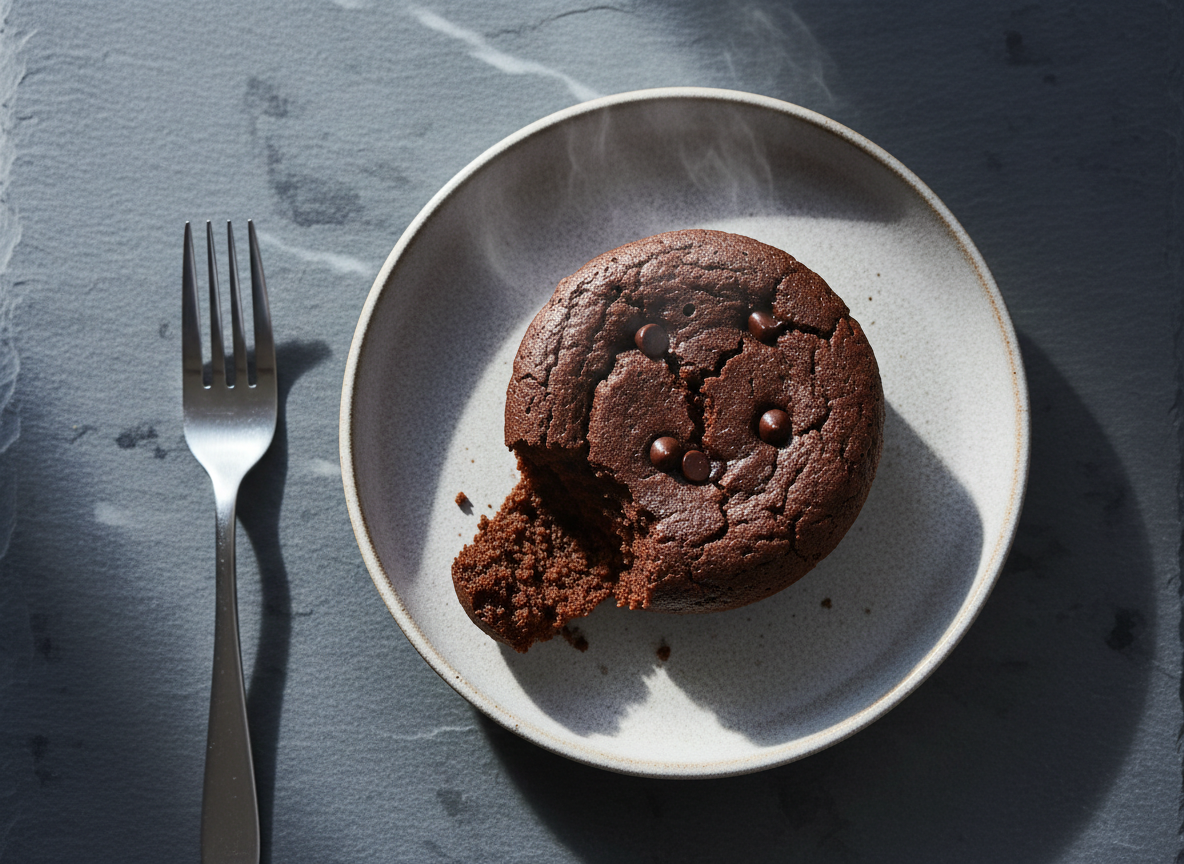
    Here’s what the research actually says now, and it’s kinder than the story I grew up on: the window isn’t a window. It’s more like a garage door — hours wide, wider still if you ate before you trained. So put the shaker down for a second, big man. Nobody’s getting shamed for carrying one. Let me walk you through what changed.

    Is the anabolic window real? The short answer, then the honest one

    Short answer: yes, there’s a real thing under the myth. Your muscle is more sensitive to protein after you train it. That part isn’t made up. The question is the anabolic window real was never the interesting one — the interesting question is how long it stays open and how much the exact minute matters.

    The honest answer is that the “30 minutes or it’s wasted” version was marketing wearing a lab coat. When Alan Aragon and Brad Schoenfeld went back through the literature in 2013, they found the importance — and even the existence — of a tight post-workout window depends heavily on context, and that meeting your total daily protein matters far more than hitting a stopwatch.[1]

    So the window is real. It’s just enormous, and forgiving, and most of you are already standing inside it without knowing.

    Where the 30-minute panic actually came from

    I want to be fair to my younger self and to yours, because the panic wasn’t stupid. It came from real science that got stretched too far.

    Early studies fed people protein or carbs right after training and measured a spike in muscle protein synthesis. Real result. Then someone in a marketing meeting turned “your muscle responds after training” into “you have thirty minutes before the anabolic window slams shut,” slapped it on a tub, and sold it to a sixteen-year-old me who’d have believed anything with a Swedish flag and a big arm on the label.

    The worst I ever saw it was backstage in Sweden, at a show, in full bronzer, two of us hunched over a cooler like it was a life-support machine. My buddy had timed his shake to the minute — post-pump, pre-pump, some third shake I never understood — and he spilled half of it down his front with shaking hands and genuinely, actually, almost cried. Not because he was tired. Because he thought he’d missed the window and thrown away a week of prep. That’s what the myth does to a good man. It turns food, the one thing that’s supposed to take care of you, into a threat.

    He hadn’t missed anything. He’d eaten all day. He was fine. But nobody had ever told him the door was wider than a shot glass, so he lived every session braced for a failure that was never coming.

    That’s the part that stays with me. The myth didn’t make him train harder or eat better. It just added fear to something that should have been simple. I moved to Chicago at 16 and kept believing it there too, for years, in a different accent — the panic translated fine. It took actual research, read slowly, to un-learn it.

    How long is the anabolic window, really?

    Here’s the number people actually want. If you’re asking how long is the anabolic window, the useful answer is somewhere in the range of a few hours on either side of your session — not thirty minutes, and not a hard cliff at any point.

    Aragon’s own analogy is the one I use with everyone in my kitchen: it’s less like a window that snaps shut and more like a garage door that stays open for hours. And what props it open widest is the meal you ate before you trained. In the 2013 review they point to work showing that 20 g of whey taken right before exercise kept muscular amino-acid uptake elevated well into recovery — it didn’t drop back to baseline until about 3 hours after the session.[1]

    Read that again, because it’s the whole thing. If you ate a proper meal one or two hours before you lifted, those amino acids are still circulating on the drive home. The “post-workout window” and the “pre-workout meal” overlap. You could take your time, get home, shower, and eat like a human, and still be well inside it.

    Anabolic window timeline showing the real post-workout window is several hours wide, extended by a pre-workout meal, versus the 30-minute myth
    Anabolic window timeline showing the real post-workout window is several hours wide, extended by a pre-workout meal, versus the 30-minute myth
    Kitchen math

    If your pre-lift meal had 30–40 g of protein in it, your muscle is still working with those amino acids for a couple of hours after your last rep. That’s not me being generous. That’s the timeline in the paper. The stopwatch was never the point.

    What the research says: total protein beats the stopwatch

    This is where the myth really falls apart. In 2013, Schoenfeld, Aragon, and Krieger ran a meta-analysis pooling 20-plus studies on protein timing and muscle growth. On the surface, eating protein close to training looked like it helped hypertrophy a little. Then they controlled for one thing — how much total protein each group ate per day — and the timing effect all but vanished.[2]

    Plain version: the groups that “timed” their protein also happened to eat more of it overall. Once you match the total, the clock stops mattering. It was the daily amount doing the work the whole time.

    A bigger 2018 review backs this up from the other direction. Morton and colleagues pooled 49 trials — nearly 1,900 people — and found that gains in muscle and strength kept climbing with protein intake up to about 1.6 g per kg of bodyweight per day, then flattened out. Total intake mattered. Timing and protein source did not move the needle in the pooled data.[3]

    Bar comparison showing total daily protein drives muscle growth far more than exact post-workout timing
    Bar comparison showing total daily protein drives muscle growth far more than exact post-workout timing

    So here’s the hierarchy, honestly ranked, from what actually moves the needle to what barely does:

    What you’re worried aboutHow much it actually mattersWhat to do
    Total protein across the dayMost of itHit roughly 1.6–2.2 g/kg/day, every day
    Spreading it over the daySome3–5 meals, ~0.4 g/kg each
    Eating protein sometime around trainingA littleA meal within a few hours either side
    Hitting a 30-minute post-workout shakeAlmost nothing on its ownDo it if it’s convenient. Don’t panic if it isn’t.

    Notice the shake is on the list. It’s not useless. It’s just at the bottom, and it only ever mattered as a way to help you hit the thing at the top.

    When protein timing genuinely does matter

    I’m not going to pretend timing is nothing, because that’s its own kind of lie, and you’d catch me on it. There are real situations where getting protein around your session earns its keep. If any of these are you, pay a bit more attention to your post workout meal — not with panic, just with a plan.

    You trained fasted

    If you lifted first thing on an empty stomach, the garage door doesn’t have a pre-workout meal propping it open. Amino acids aren’t already circulating. Aragon and Schoenfeld are clear that in this case, eating protein reasonably soon afterward makes more sense — you’re opening the door rather than walking through one that’s already up.[1] This is the one scenario where the old advice was pointing at something true.

    You’re doing two-a-days, or training again soon

    Back when I was prepping for a show in Sweden, I’d sometimes train twice in a day. When your next session is only a handful of hours away, recovery between them matters more, and you don’t want to leave a long gap with no protein in you. Feed the first session so it’s ready for the second.

    You’re an older lifter

    This one’s personal, and it’s why I take it seriously. As we age, muscle gets a little deaf to protein — it takes more to get the same anabolic signal. I’m 40, I’ve been on TRT since I was 35, and I feel the difference in how I have to eat now versus at 22. Older muscle responds better to solid, protein-forward meals spread through the day rather than one big hit and a long fast. Timing here is really just insurance that you don’t go too long without feeding it.

    Anyone who wants the last 5%

    And there’s distribution — the quiet middle ground between “timing is everything” and “timing is nothing.” Areta and colleagues fed trained men 80 g of whey over 12 hours in three patterns: little and often, medium and steady, or big and rare. The winner was the sensible middle: 20 g every 3 hours beat both eight tiny 10 g feeds and two giant 40 g ones for keeping muscle protein synthesis high.[4]

    That’s the practical takeaway hiding under all the noise. Not “chug within 30 minutes.” Just: eat a real amount of protein every few hours, and your training will always land inside a fed window without you thinking about it.

    Schoenfeld and Aragon put a number on that middle ground in a later paper. Their recommendation is to aim for about 0.4 g of protein per kg of bodyweight per meal, across at least four meals, to comfortably clear a good daily total.[5] For a 90 kg man that’s roughly 35 g a meal, four times a day. Do that and one of those meals lands near your workout by default — no timing required, no clock, no shaker anxiety in a parking lot. You built the window into your day without trying.

    And notice what that quietly kills: the old “you can only use 30 g of protein per meal, the rest is wasted” line. Same family of myth as the window. The 2018 paper walks through why a bigger meal isn’t thrown away — slower-digesting protein eaten with other food keeps feeding you for hours.[5] Your body is smarter and more patient than the supplement ad wanted you to believe.

    What happens if you miss the anabolic window?

    Nothing dramatic. That’s the honest answer, and I wish someone had said it to my crying friend backstage.

    If you hit your total protein for the day, missing the “immediate post-workout shake” costs you next to nothing measurable. The meta-analysis found the timing effect disappeared once total intake was matched.[2] One missed shaker against a whole day of good eating is a rounding error. You did not throw away the session. You did not throw away the week.

    The only version of “missing it” that actually costs you is chronic — going most of the day eating too little protein, session after session, week after week. That’s not a timing problem. That’s a total problem, and it’s fixable at any meal, not just the one after the gym.

    Magnus’s rule

    Don’t chase the perfect post-workout minute. Chase the honest daily total. Get your protein in across the day — three, four, five real meals — and every workout you do will already be sitting comfortably inside the window. The stopwatch was a tax on people who were already doing fine.

    How I actually eat around a lift

    Since I’m telling you not to panic, let me show you what “not panicking” looks like on a plate. This is roughly how I do it, whether I’m just on my TRT dose or running something heavier.

    • A real meal one to two hours before. Protein and carbs. That’s the meal doing most of the work of “post-workout nutrition” before you’ve even started.
    • Water and maybe some carbs during, if it’s a long one. No heroics.
    • A proper meal within a couple of hours after. Not a stopwatch. A shower, a drive, then food. On a lazy day it’s a bowl of high-protein cottage cheese with fruit while I get dinner going.
    • The rest of the day’s protein spread out. Breakfast pulls its weight — peanut butter protein oats or a stack of high-protein pancakes — so I’m never scrambling to cram it all in around the gym.

    On heavy training blocks when I’m genuinely hungry and chasing calories, I lean on things that make the total easy without a fight: mass-gainer overnight oats the night before, ready in the fridge. And yes, I still keep a tub of whey. Not for the magic 30-minute window — because it’s a fast, easy 25 g when a meal isn’t practical. That was always all the shaker was for.

    If you want the whole thing planned so you never have to think about timing again, that’s exactly what our recipe kitchen is built for — protein-forward meals with honest numbers, so your total takes care of itself and the window takes care of itself right along with it.

    Questions men actually ask

    Is the anabolic window a real thing?

    There’s a real effect under it — muscle is more sensitive to protein after training. But the “30 minutes or it’s wasted” version is a myth. The window is hours wide, not minutes, and hitting your total daily protein matters far more than the exact timing.

    How long is the anabolic window?

    Roughly a few hours on either side of your session, not 30 minutes. If you ate a protein meal one to two hours before training, amino acids stay elevated into recovery — one study kept them up until about 3 hours after exercise. Think garage door, not window.

    What happens if you miss the anabolic window?

    If you hit your protein total for the day, almost nothing. When researchers matched total daily protein between groups, the timing effect essentially disappeared. One missed post-workout shake against a full day of good eating doesn’t cost you the session.

    Does the anabolic window matter more on TRT or on cycle?

    The timing rules don’t change — total daily protein still leads. What changes with age and hormones is appetite and how much protein it takes to get a response. Older and enhanced lifters do better with steady, protein-forward meals through the day. That’s about distribution, not a magic post-workout minute.

    Should I drink a protein shake right after lifting?

    You can, and it’s a fine habit — a shake is an easy 25 g of protein. Just know you’re doing it to help hit your daily total, not to beat a closing window. If you trained fasted, a shake soon after makes more sense. If you ate before you lifted, there’s no rush.

    References

    1. Journal of the International Society of Sports Nutrition — Aragon AA, Schoenfeld BJ. Nutrient timing revisited: is there a post-exercise anabolic window? (2013)
    2. Journal of the International Society of Sports Nutrition — Schoenfeld BJ, Aragon AA, Krieger JW. The effect of protein timing on muscle strength and hypertrophy: a meta-analysis (2013)
    3. British Journal of Sports Medicine — Morton RW, et al. A systematic review, meta-analysis and meta-regression of protein supplementation on resistance training-induced gains in muscle mass and strength (2018)
    4. The Journal of Physiology — Areta JL, et al. Timing and distribution of protein ingestion during prolonged recovery from resistance exercise alters myofibrillar protein synthesis (2013)
    5. Journal of the International Society of Sports Nutrition — Schoenfeld BJ, Aragon AA. How much protein can the body use in a single meal for muscle-building? Implications for daily protein distribution (2018)
    The honest fine print: I’m a cook and a lifter, not your doctor. Nothing here is medical advice, and nothing here tells you how to obtain or use any substance — that conversation belongs to you, your bloodwork, and a physician. Full details: Nutrition Disclaimer · Medical Disclaimer.
    Magnus Olafsson, the cook behind Slim Diet Era
    Written by

    Magnus Olafsson

    The cook behind Slim Diet Era. Former Swedish stage competitor (B&K Classic Body Show, Swedish Grand Prix), on TRT since 35, cooking high-protein food in Chicago for his husband, two kids, and you. He counts the macros so you don’t have to.

    More about Magnus →

    Hungry for a plan, not just a post?

    Start with the free plan — macros counted, grocery list written, in your inbox. You cook and eat; I’ll do the math.